
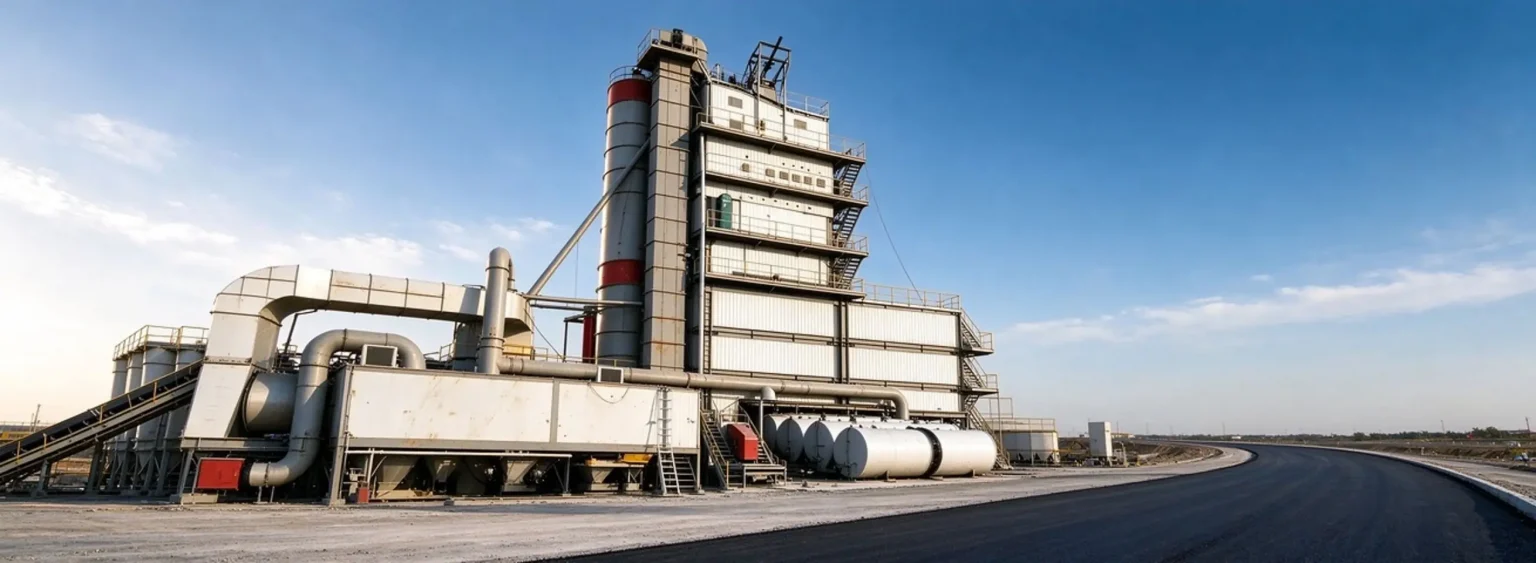
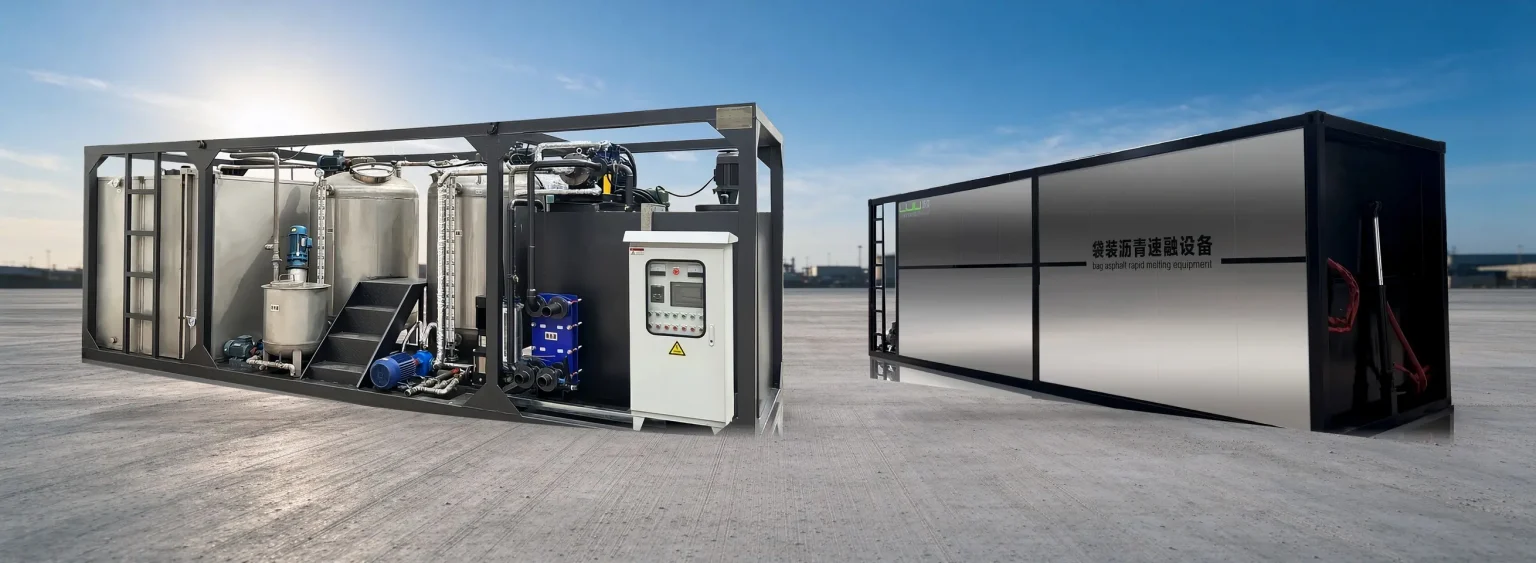

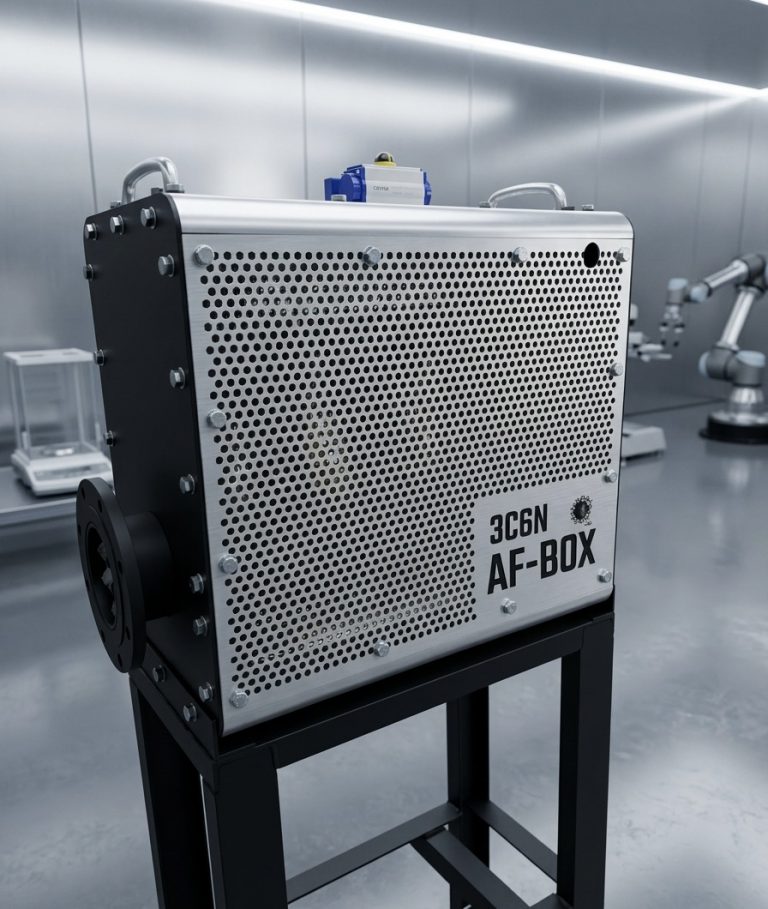
AF-BOX 3C6N Asphalt Foaming System: overview and configuration
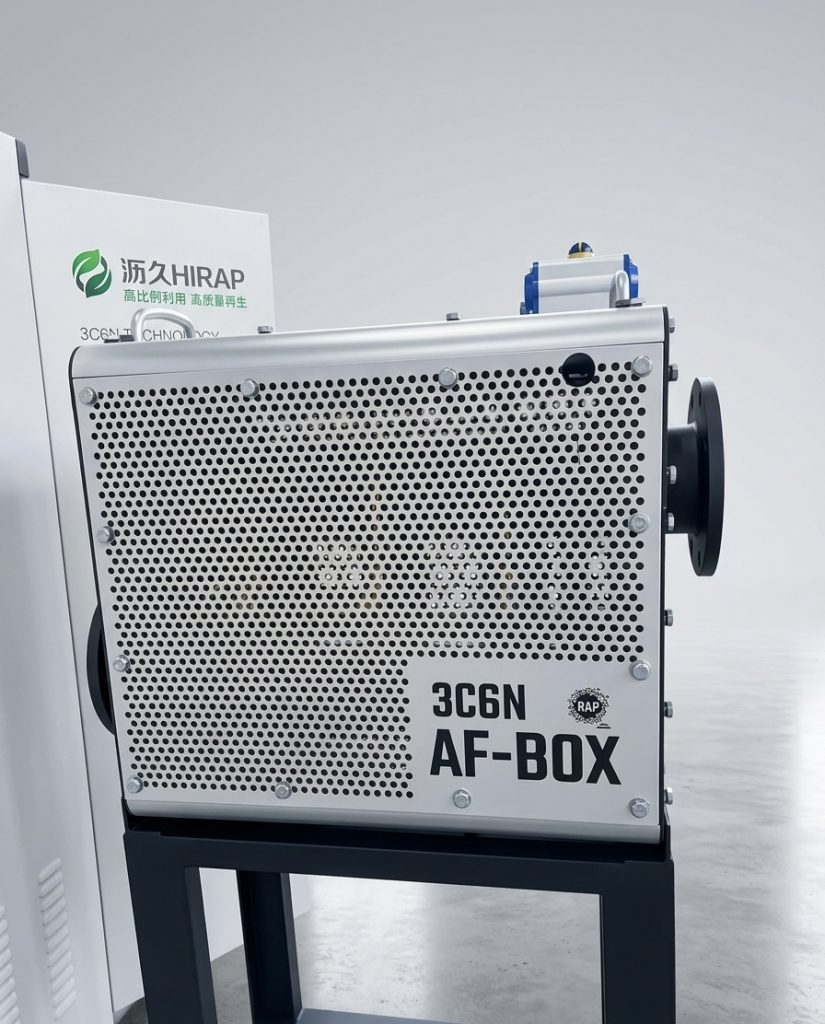
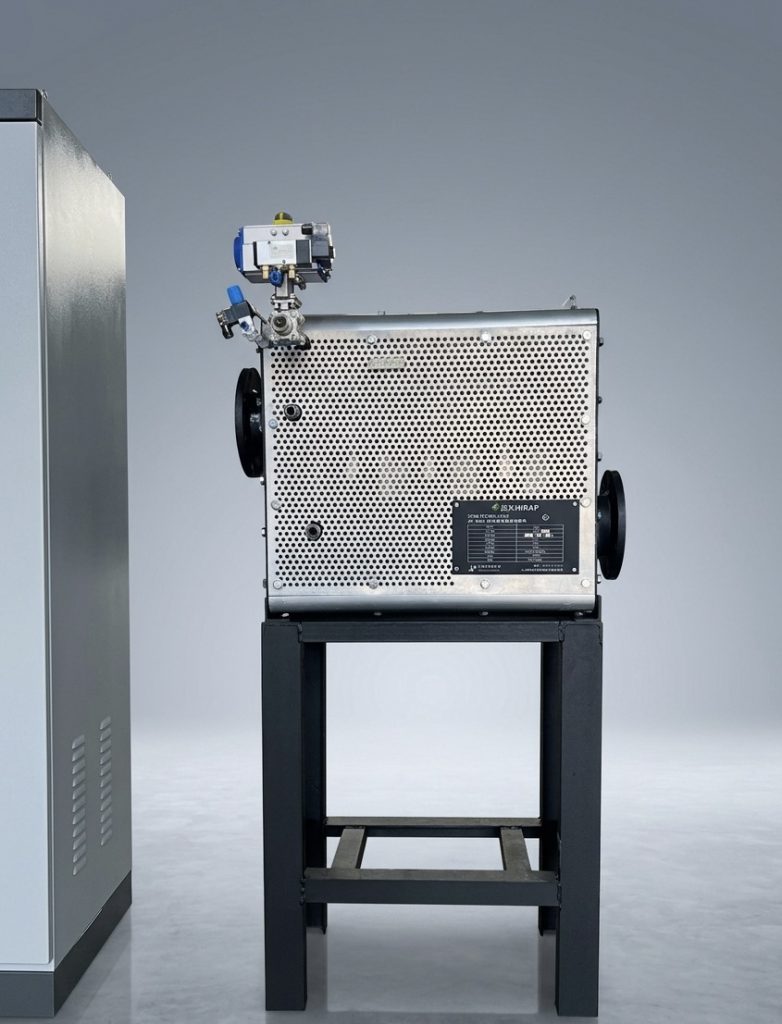
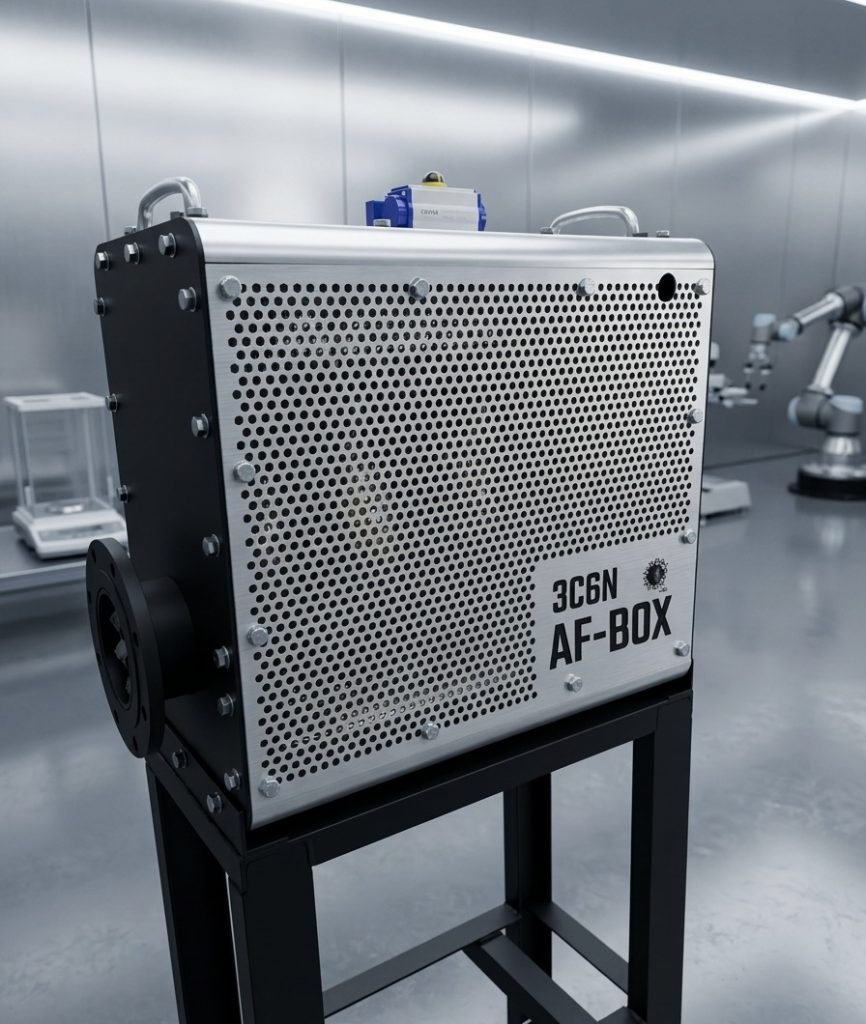
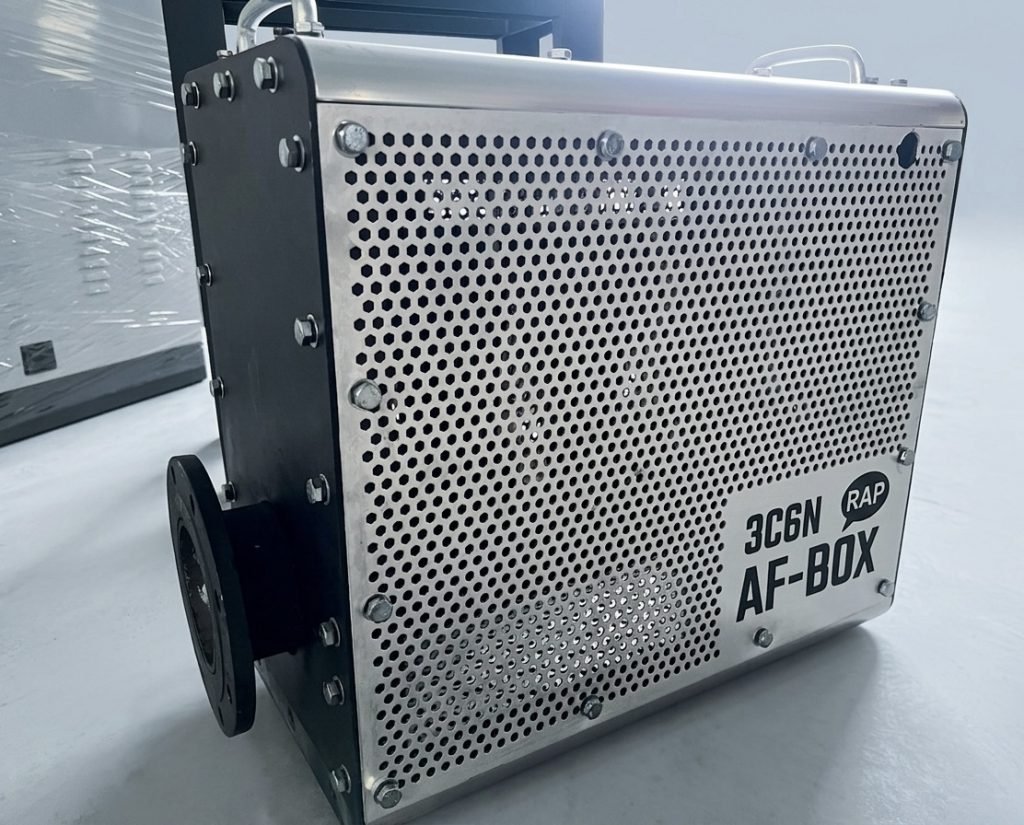
The AF-BOX 3C6N is a modular micron-level foamed bitumen system designed for retrofitting existing batch-type asphalt mixing plants. As a warm-mix asphalt solution, it enables high-proportion RAP recycled asphalt production without large-scale modification to your host mixing plant.
This AF-BOX 3C6N performance overview explains the core foaming parameters, foam-quality inspection and practical operation advice taken from the factory test report. Many plant operators focus only on hardware installation; however, stable foaming performance depends on a set of measurable technical indicators as well as visual foam-quality inspection.
Core Foaming Parameters from the Factory Test
Testing is carried out with standard 70# base bitumen as the reference material. The table below compares standard requirements with the actual measured values from the factory tests.
| Parameter | Unit | Standard requirement | Measured test value |
|---|---|---|---|
| Asphalt grade | — | 70# base bitumen | 70# |
| Asphalt working temperature | °C | 150–160 | 155 |
| Water dosage ratio | % | 1–3 | 2 |
| Foam half-life | s | ≥ 8 | 11 |
| Expansion ratio | times | ≥ 8 | 20 |
What these figures mean for your project
- Expansion ratio of 20 times — the asphalt volume expands rapidly, helping it fully coat the aggregate surface.
- Half-life of 11 seconds — sufficient retention time for mixing inside the mixer drum before the foam disappears.
- Water ratio controlled between 1 and 3% — avoids excessive moisture left inside the finished asphalt mixture.
Judging Foam Quality on Site
Numerical data alone cannot guarantee on-site results. Operators also need to check the physical characteristics of the foam during commissioning.
Qualified foamed asphalt looks like this
- Creamy, dense foam texture
- Fine and evenly distributed micro-bubbles
- No visible large bubbles and no streaks of undiffused liquid bitumen
Warning signs of unqualified foaming
- Large visible bubbles that rupture quickly and give a poor coating effect
- Obvious black liquid asphalt droplets mixed into the foam, which means incomplete foaming
Poor foam quality directly reduces mixing performance and lowers the bonding effect of RAP material. Always combine instrument data with visual inspection during site commissioning.
Raw Material Limits for the AF-BOX 3C6N Asphalt Foaming System
Bitumen type
Best performance is achieved with 70# and 90# base bitumen operated within the recommended temperature range. For SBS modified bitumen, it is advisable to adopt a special foaming agent and raise the asphalt temperature by 10 °C to obtain a satisfactory foaming effect.
Water quality
Use clean fresh water free of impurities. High-hardness water will generate limescale inside the nozzles. If hard water cannot be avoided, regular nozzle cleaning is required to prevent blockage.
Practical Operating Advice
- The AF-BOX 3C6N is a skid-mounted retrofit unit, compatible with most existing batch asphalt plants from 60 t/h up to 320 t/h.
- Match asphalt temperature strictly according to the asphalt type; modified bitumen needs a temperature adjustment.
- Do not ignore daily nozzle maintenance — nozzle clogging is one of the most common on-site faults.
- Combine numerical test indicators and a visual foam check during the trial-mix phase before formal mass production.
Retrofit Scope and Utility Requirements
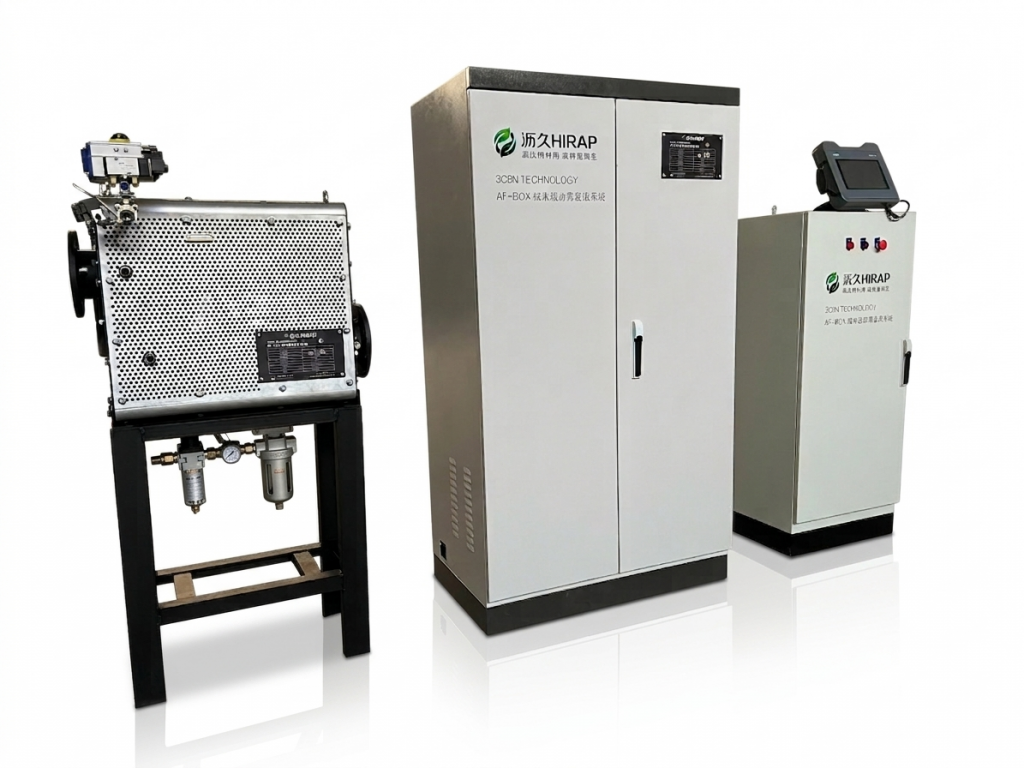
The 3C6N mounts as a skid beside the host plant and ties into the bitumen line and the plant control system, so most of the mechanical work happens before the plant’s next scheduled shutdown. In practice the retrofit scope covers the foaming skid, the water dosing package, the injection nozzle assembly and the control interface with the host PLC.
Before delivery, confirm the site supply, normally 380–415 V, 50 Hz three-phase, and the water quality available for dosing. Because the unit is mounted on a skid, the hose runs between the skid and the plant should be kept as short as practical so bitumen temperature does not drop before the nozzles. For high-RAP warm-mix work, the foaming unit is normally combined with a rejuvenator dosing system, since foam alone does not fully restore the aged binder in reclaimed material.
Download the Full Technical Parameters
Get the complete test-sheet data in our PDF document, including the parameter table and full application notes for tender reference, plant design and site acceptance.
Download: AF-BOX 3C6N Asphalt Foaming System — Foamed Asphalt Technical Parameters (PDF)
Conclusion
Stable foaming performance comes from both reliable AF-BOX hardware and standardised raw-material control and on-site inspection. Correct operation helps you achieve qualified warm-mix asphalt and high-RAP recycled mixture, saving fuel cost and improving construction efficiency.
Retrofit Timeline and On-Site Support
The 3C6N is delivered as a skid, so the critical path is usually the control interface with the host plant rather than the mechanical installation. A typical retrofit starts with a site survey that records the bitumen line tapping point, the available space beside the plant, the water supply quality and the host PLC protocol. That survey is what makes the installation phase short — most schedule overruns trace back to an interface that was assumed rather than measured.
Commissioning then follows a fixed order: pressure-test the water circuit, verify the dosing calibration, bring the bitumen circuit up to working temperature, and only then run the first foaming trial. The trial should produce a written record of expansion ratio and half-life at the actual working temperature, which becomes the reference for every later check. Operator training covers the daily nozzle check, the water-ratio adjustment and the alarm list, and it is worth having two operators trained rather than one so that shift cover does not depend on a single person.
References
Independent background on the practices described on this page is available from the Federal Highway Administration asphalt pavement recycling programme and from the Asphalt Institute. Both are non-commercial industry references and neither is affiliated with LIJIU.
Related Equipment and Guides
Standards and references
Specifications on this page follow European Asphalt Pavement Association — Industry standards. Ask us for the full test report when you request a quote.