

AF-BOX 3C6N Foaming Retrofit at Hengshui Mixing Plant
Case notes
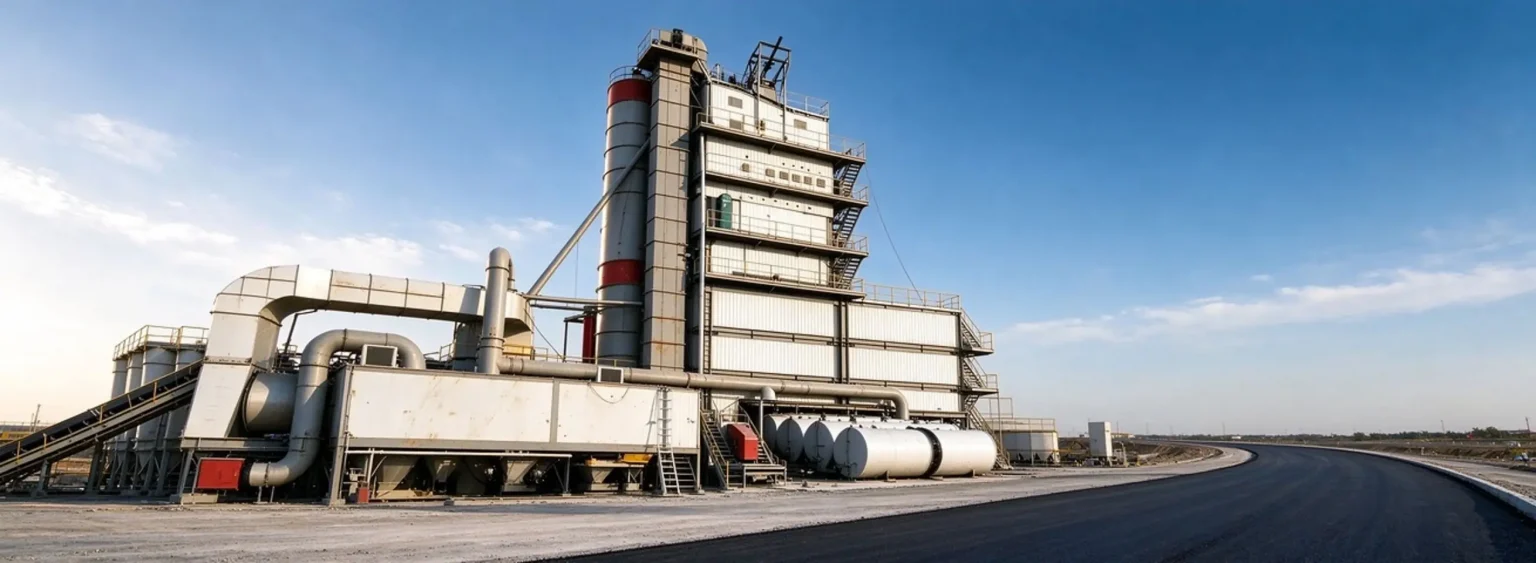
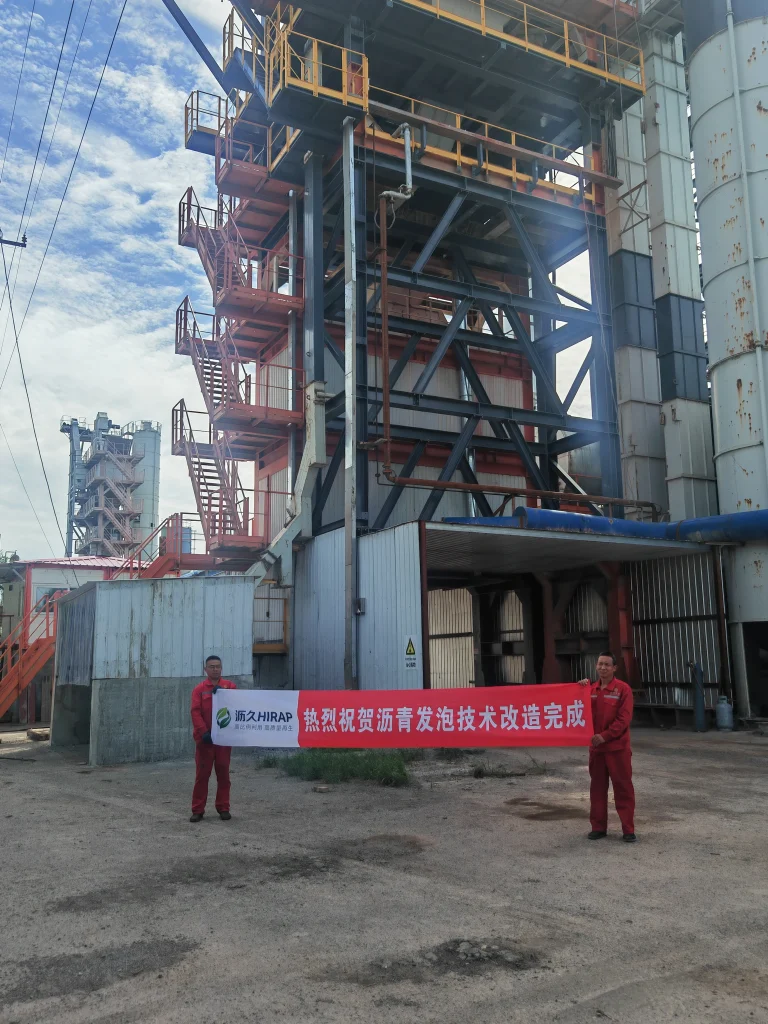
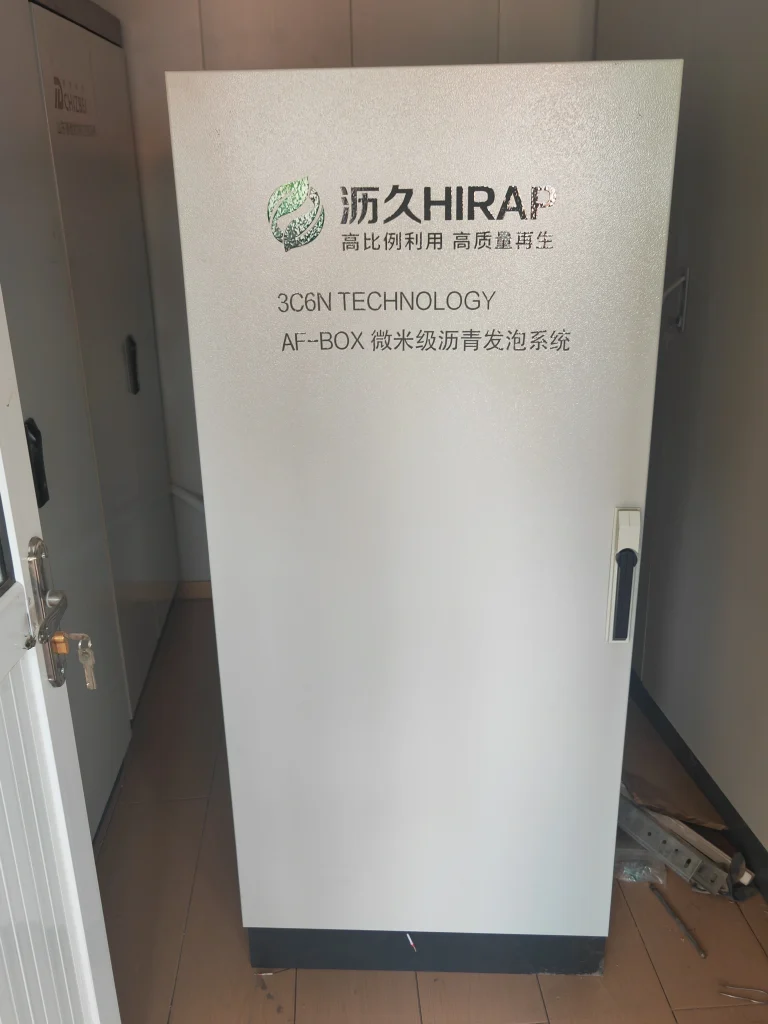
This project is an AF-BOX 3C6N foaming modification unit retrofit — a technical upgrading and renovation project for a local asphalt mixing plant in Hengshui, Hebei. The customer’s original mixing plant was not equipped with a supporting foamed asphalt production system, and new foaming equipment was required for the production of foamed asphalt cold recycling mixture. Commissioning records for the AF-BOX 3C6N foaming modification unit are kept with the plant’s mechanical and electrical documentation.
Scope of Supply for the AF-BOX 3C6N Foaming Modification Unit
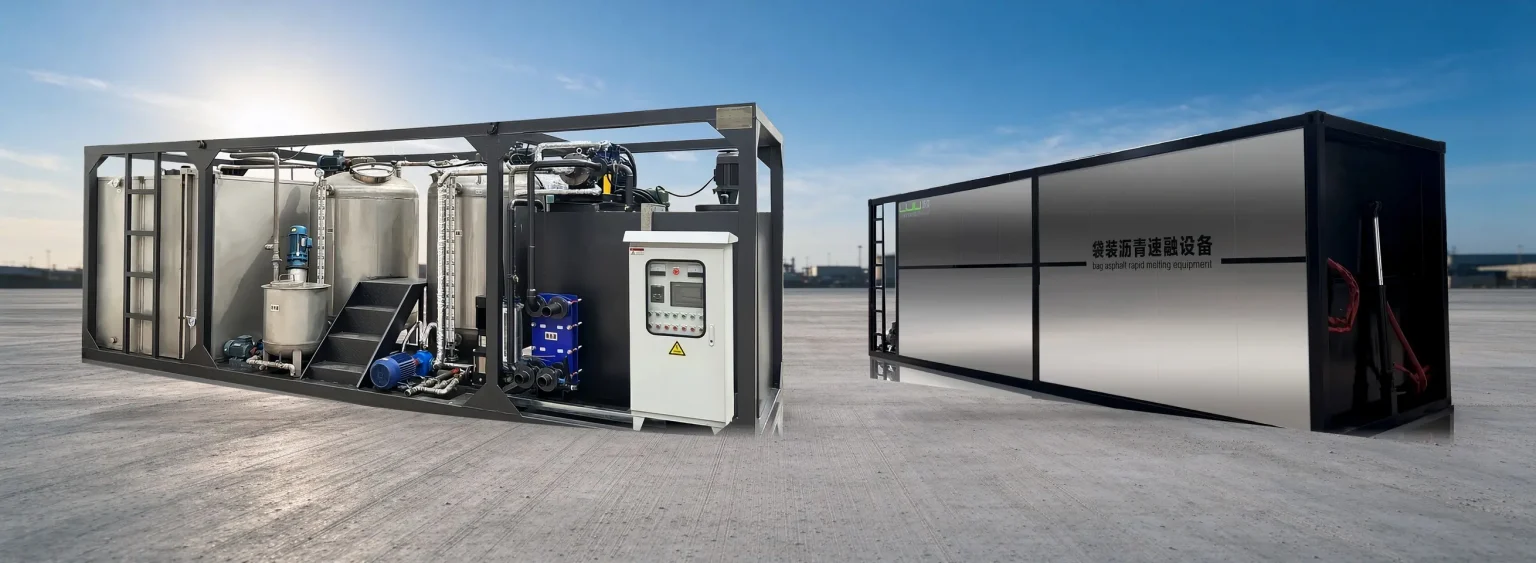
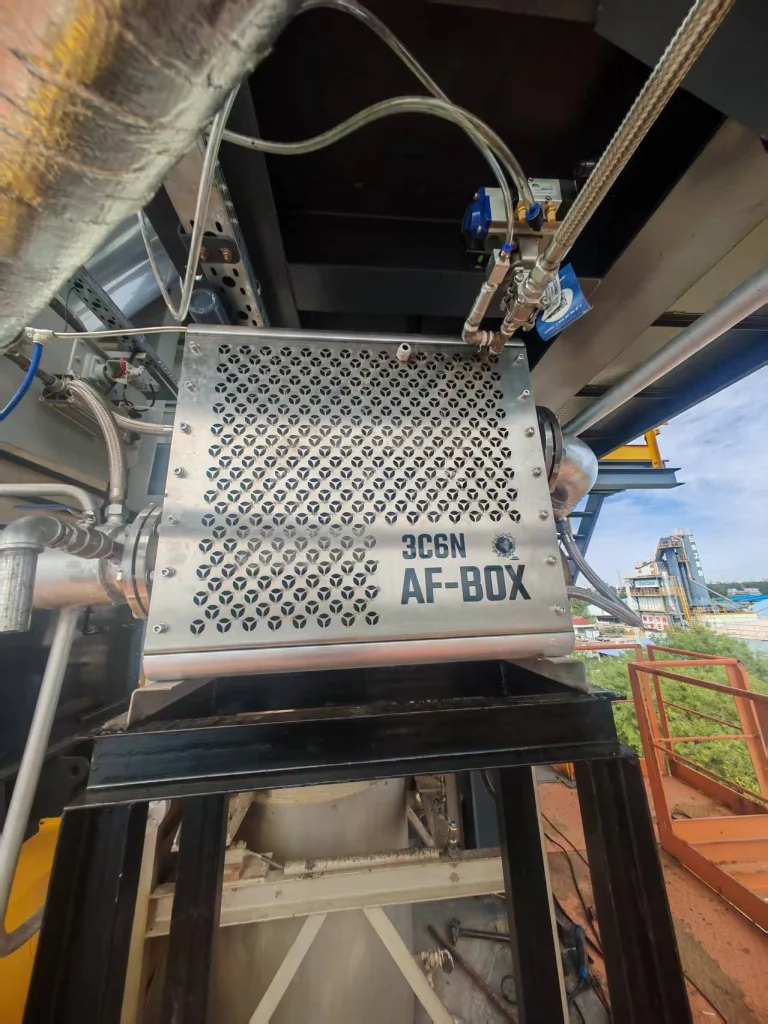
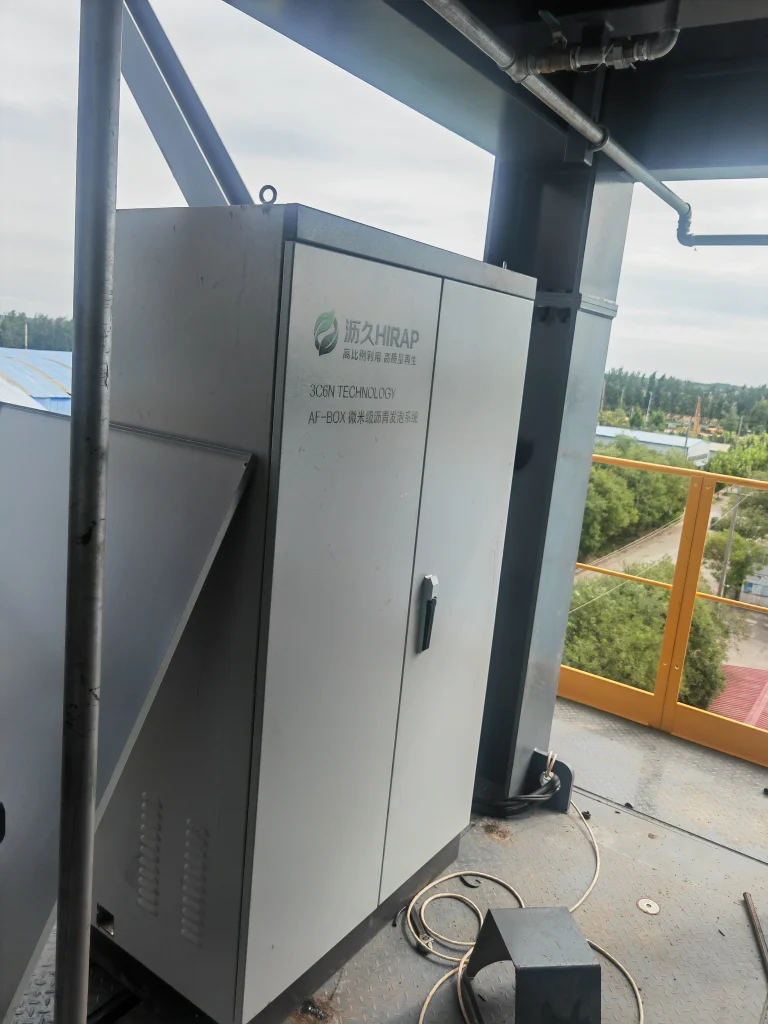
We supplied the complete set of the LIJIU HIRAP AF-BOX (3C6N) micron-level asphalt foaming system, including the main unit and the automatic control and monitoring system. Technical personnel were dispatched to the site to complete equipment arrival, installation connection, pipeline layout, electrical control commissioning and trial production.
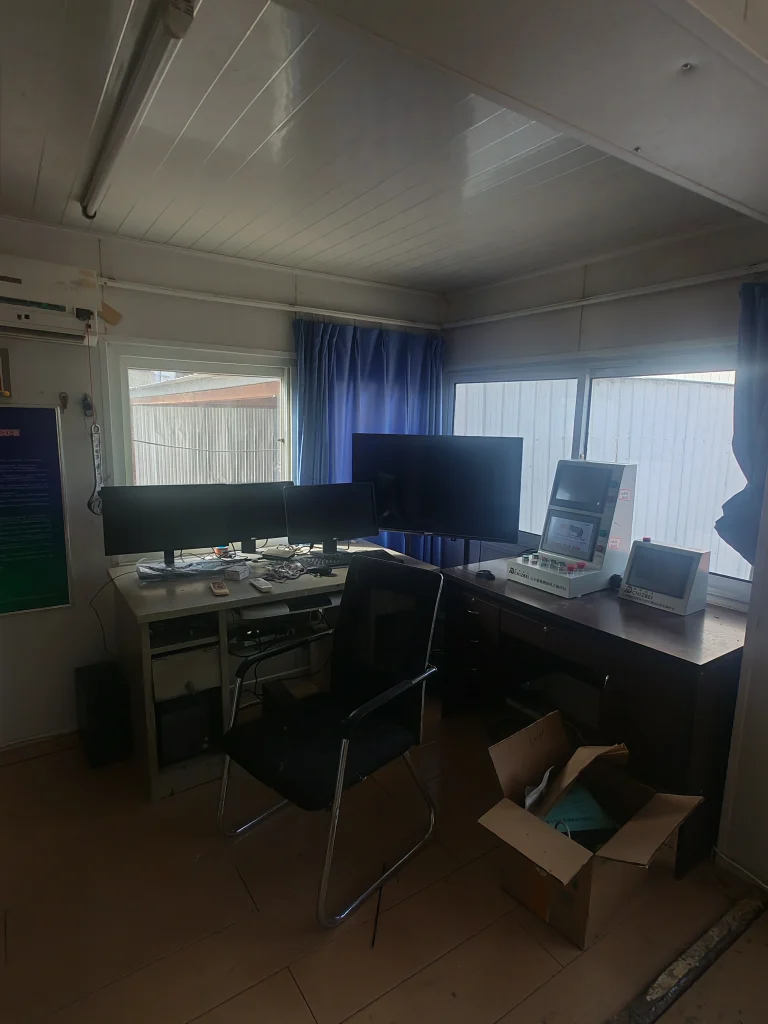
Because the plant had no existing foaming infrastructure, the scope covered the full chain rather than a partial retrofit: the foaming skid itself, the water dosing and filtration package, the injection nozzle assembly, the bitumen supply tapping point, and the control console that links the skid to the host plant. Each of these was surveyed on site before fabrication so that the pipe runs and the electrical interface matched what the plant actually had, rather than what a generic layout assumed.
Installation and Commissioning
Commissioning followed a fixed order. The water circuit was pressure-tested and the dosing pump calibrated against a measured volume; the bitumen circuit was brought up to working temperature and held there; the nozzle assembly was checked for even atomisation; and only then was the first trial batch produced. The trial yielded a written record of expansion ratio and half-life, which the plant now keeps as its operating baseline.
Operating Features
Adopting 3C6N micron foaming technology, the system delivers uniform and stable foaming performance and is compatible with various raw asphalt materials such as 70# base asphalt. It features an independent central control console for visual monitoring of key process parameters including foaming water, asphalt temperature and flow rate, with simple operation to facilitate management by mixing plant operation and maintenance staff.
- Independent central control console with live process display
- Water, asphalt temperature and flow rate readable at a glance
- Skid-mounted layout that suits a plant without existing foaming infrastructure
- Compatibility with common base bitumen grades including 70#
- Simple operating logic designed for existing plant staff rather than specialist operators
Results After Acceptance
The project successfully completed commissioning to achieve continuous and stable production of foamed asphalt, helping the customer expand their road recycling business, improve the utilisation rate of reclaimed asphalt pavement (RAP), reduce consumption of new materials and realise cost reduction and efficiency improvement. Upon project acceptance, the mixing plant has officially obtained the production capacity of foamed asphalt cold recycling mixture.
That capacity is the practical outcome of the project. Before the retrofit the plant could only supply conventional hot mix, which limited the contracts it could bid for. After acceptance it can offer foamed asphalt cold recycling mixture as a standard product, which opens maintenance and recycling tenders that were previously out of reach and improves the return on the reclaimed material the plant already collects.
Service Records and Operating Baseline
After acceptance, the plant keeps a service record for the foaming skid, including nozzle cleaning intervals and water-system checks, with the supplier’s first-year spare-parts kit available on site. Operators also keep the original commissioning report on site and use it as the reference for the seasonal water-system and nozzle checks, so the foaming performance measured at acceptance remains the operating baseline.
What Foamed Asphalt Cold Recycling Means for a Plant
Foamed asphalt cold recycling is a different product line from conventional hot mix, and the value of a retrofit lies in what it lets the plant sell rather than in what it lets the plant save. Cold recycling mix is produced and placed at lower temperatures, which reduces fuel consumption per tonne and makes the material usable in conditions where a hot-mix paving train would be uneconomic. For a local plant competing for maintenance and rehabilitation tenders, that opens a category of work that would otherwise be supplied from further away.
The second benefit sits with the reclaimed material itself. RAP that a plant collects but cannot fully reuse is a cost: it occupies yard space and has to be blended into hot mix at a limited percentage. A foaming system raises the ceiling on that percentage, so more of the material the plant already owns becomes saleable product instead of inventory. The economics of the retrofit therefore depend on the plant’s RAP availability and its target tender market, which is why the survey before fabrication matters as much as the machine specification itself.
Working with an Existing Plant Rather Than Replacing It
The attraction of a skid-mounted unit for a plant in this position is that it leaves the existing production line intact. The drum, screens, hot bins, mixer and dust collector continue to run exactly as before for conventional hot mix, and the foaming skid is brought into service when a cold recycling or high-RAP batch is scheduled. The plant keeps its existing product range and gains an additional one, without the capital cost and the downtime of a full line replacement.
Training and Support After Handover
Commissioning is not the end of the project. The operators who will run the unit day to day need to understand three things: how to check and clean the nozzles, how to adjust the water dosing for a different base bitumen, and how to recognise when foam quality has drifted. Remote technical support after handover is what makes those questions answerable without a site visit, and the first-year spare-parts kit keeps the daily checks within the reach of the plant’s own maintenance team.
Keeping the commissioning report on site, as this plant does, closes the loop. When a seasonal change in ambient temperature alters how the foam behaves, the record of what the unit measured when it was first accepted is the reference that turns an unfamiliar symptom into an ordinary adjustment.
Project Images
References
Independent background on the practices described on this page is available from the Federal Highway Administration asphalt pavement recycling programme and from the Asphalt Institute. Both are non-commercial industry references and neither is affiliated with LIJIU.
Related Equipment and Guides
Standards and references
Specifications on this page follow European Asphalt Pavement Association — Industry standards. Ask us for the full test report when you request a quote.
Related cases
RELATED CASES

Red Colored Asphalt for Ethiopia — 280 t Binder and 140 t Iron Oxide Red Delivered Ex-Works
In mid-October, a full lo...
VIEW CASE
Colored Pavement Supply Project Case: 3,600-Ton Annual Contract in Luoyang, China
This colored pavement sup...
VIEW CASE
AF-BOX Foaming Upgrade at Henan Haoyu Mixing Plant
AF-BOX Plant Upgrade | He...
VIEW CASE