
Pavement Materials
Colored Asphalt Binder (50-70-90 Grade Hot-Mix Decolorized Bitumen Binder)
Colored asphalt binder LIJIU is synthetic decolorized bitumen for hot-mix colored pavement. Divided into ordinary, modified and special grades covering 50/70/90 penetration grades. Excellent high-low-temperature stability, compatible with standard asphalt mixing plants, factory-tested in Dezhou, FOB Qingdao.
US$900 – US$1,500FOB Qingdao
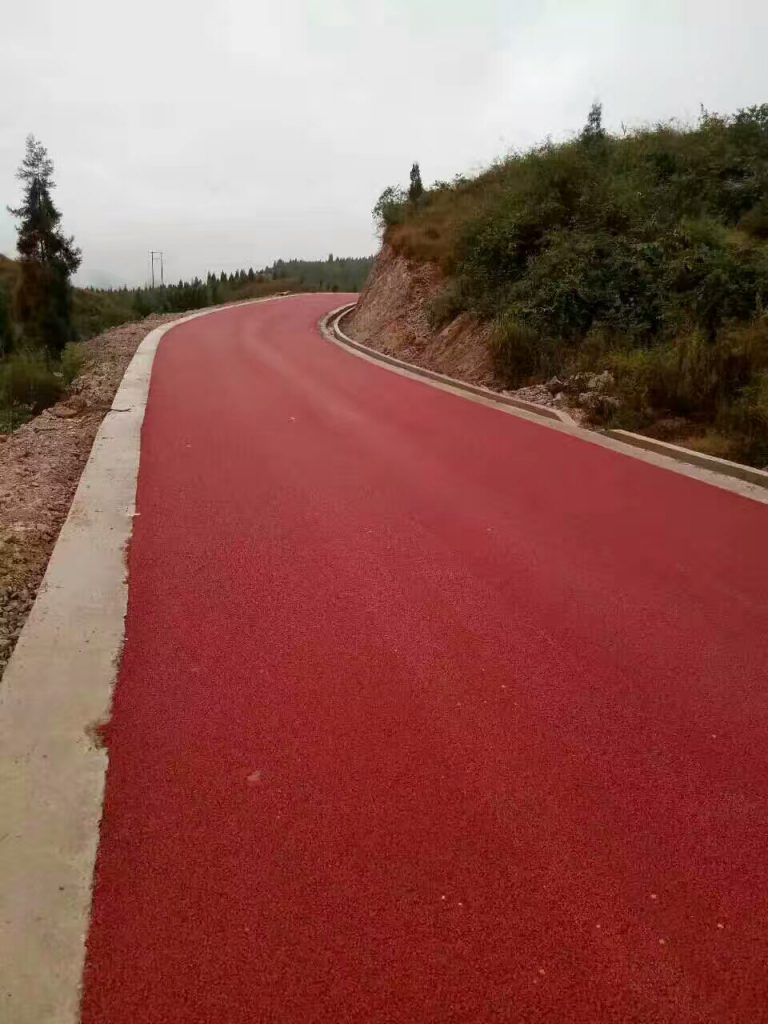
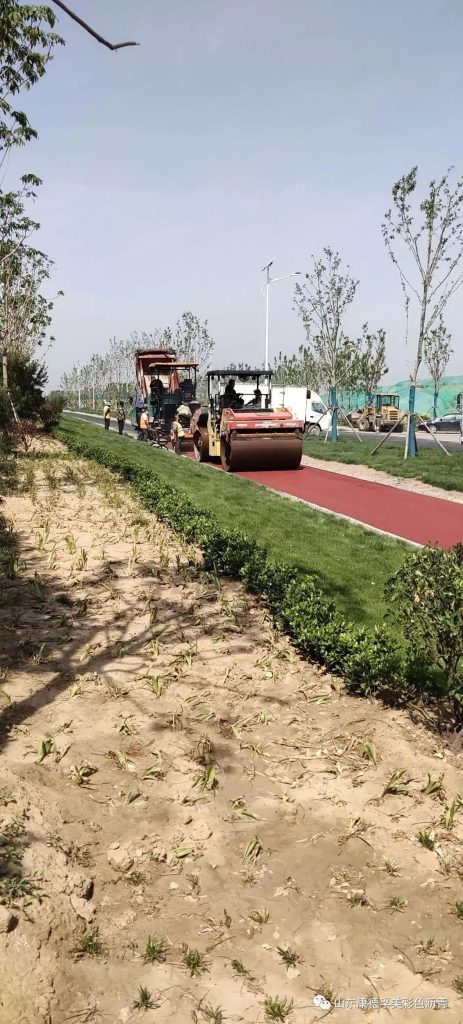
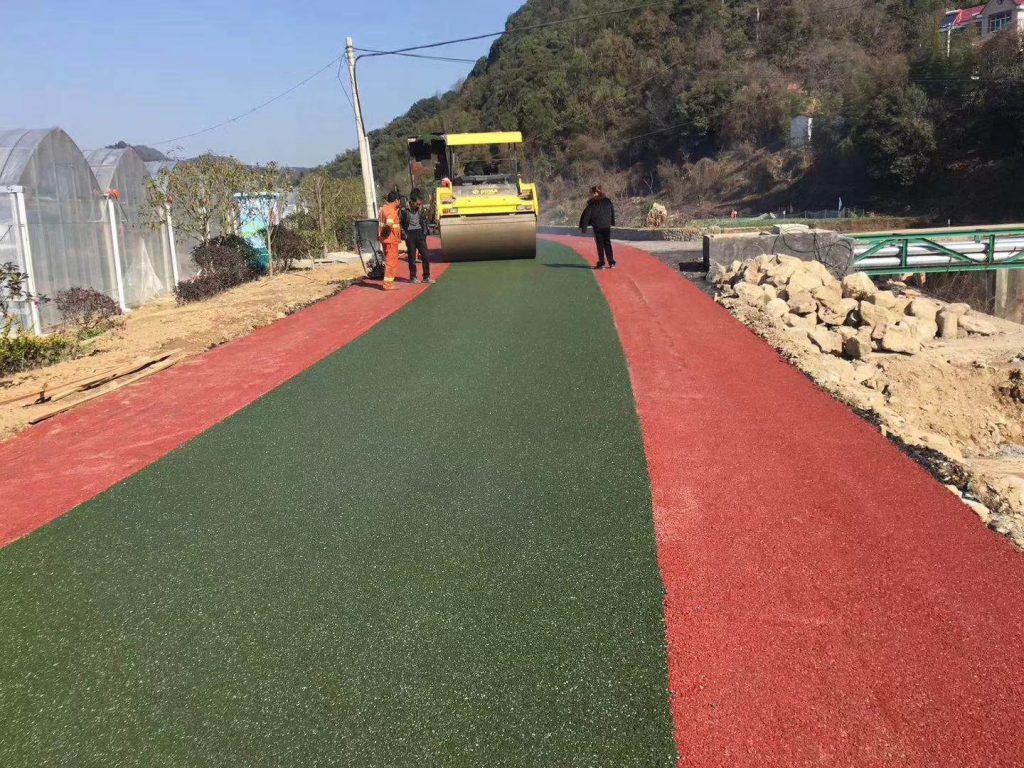
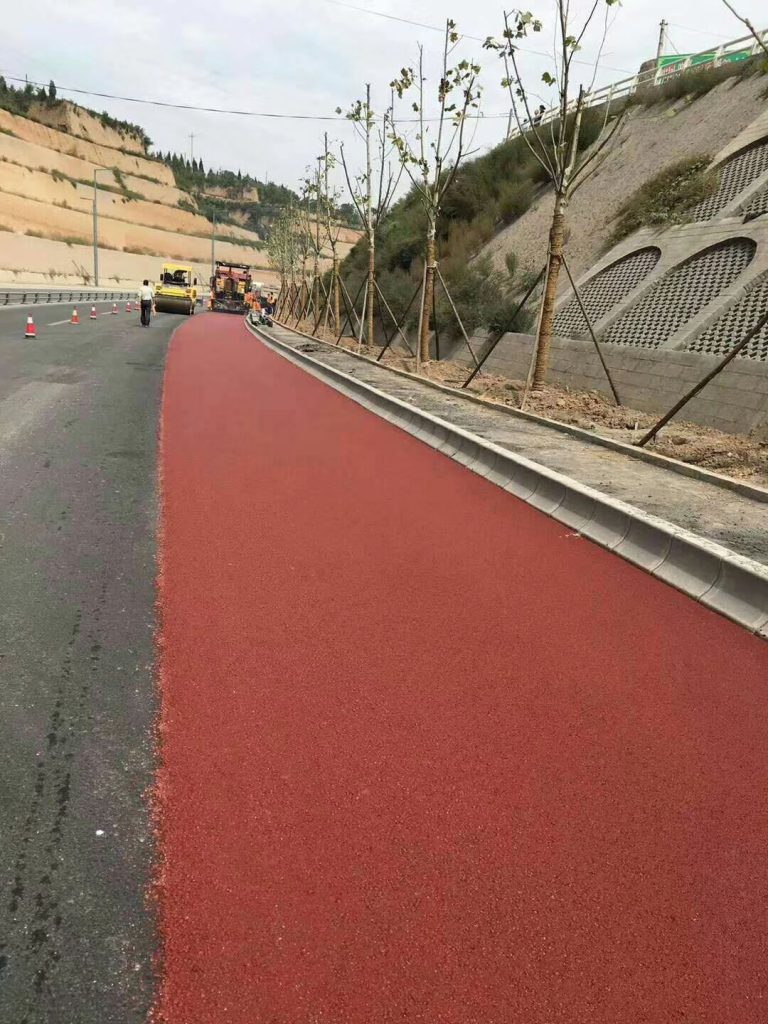
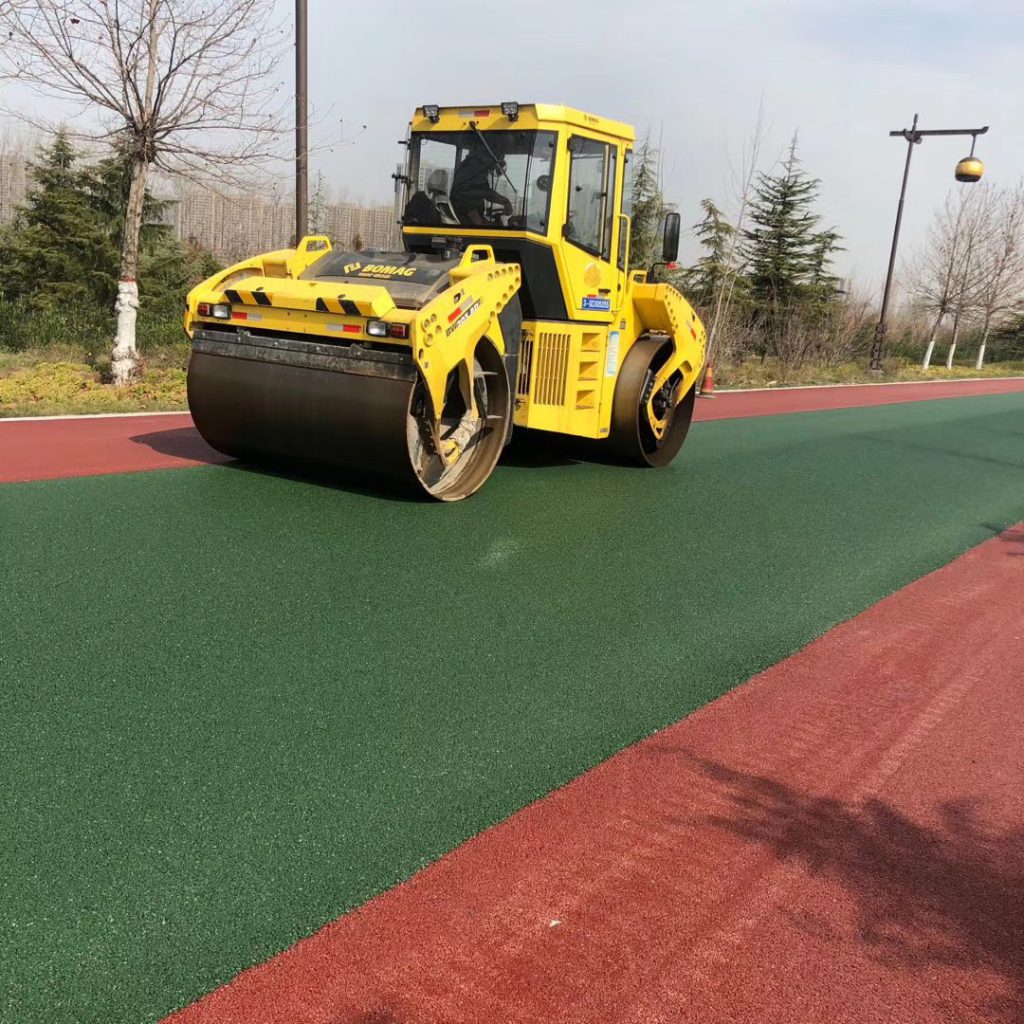
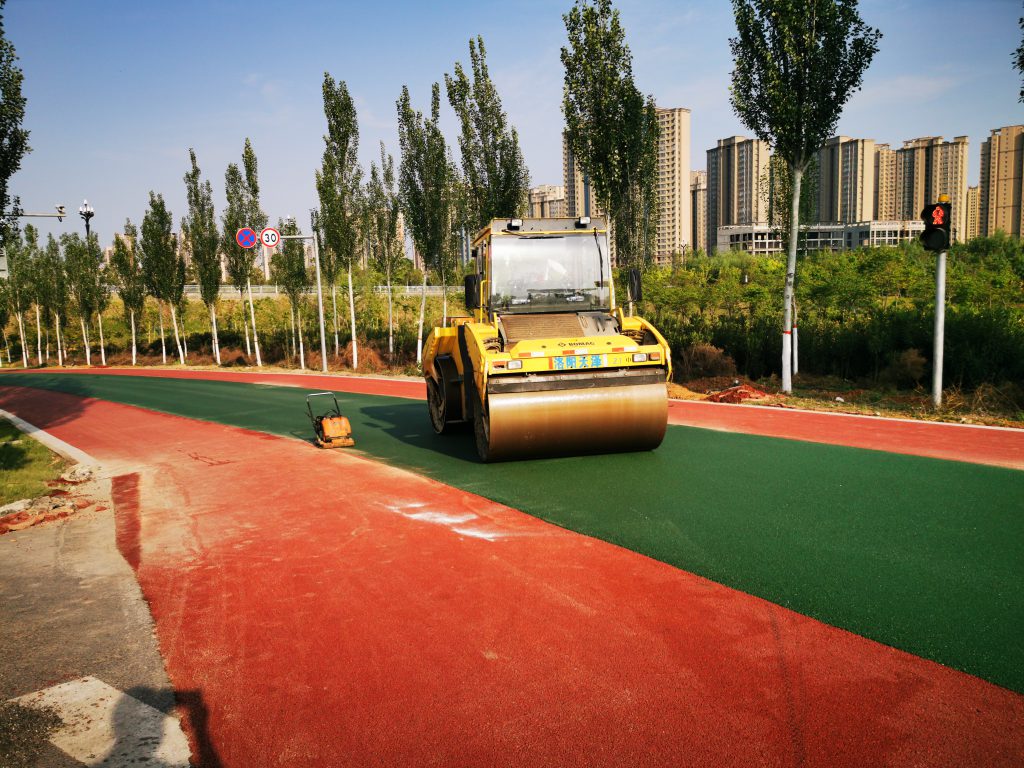
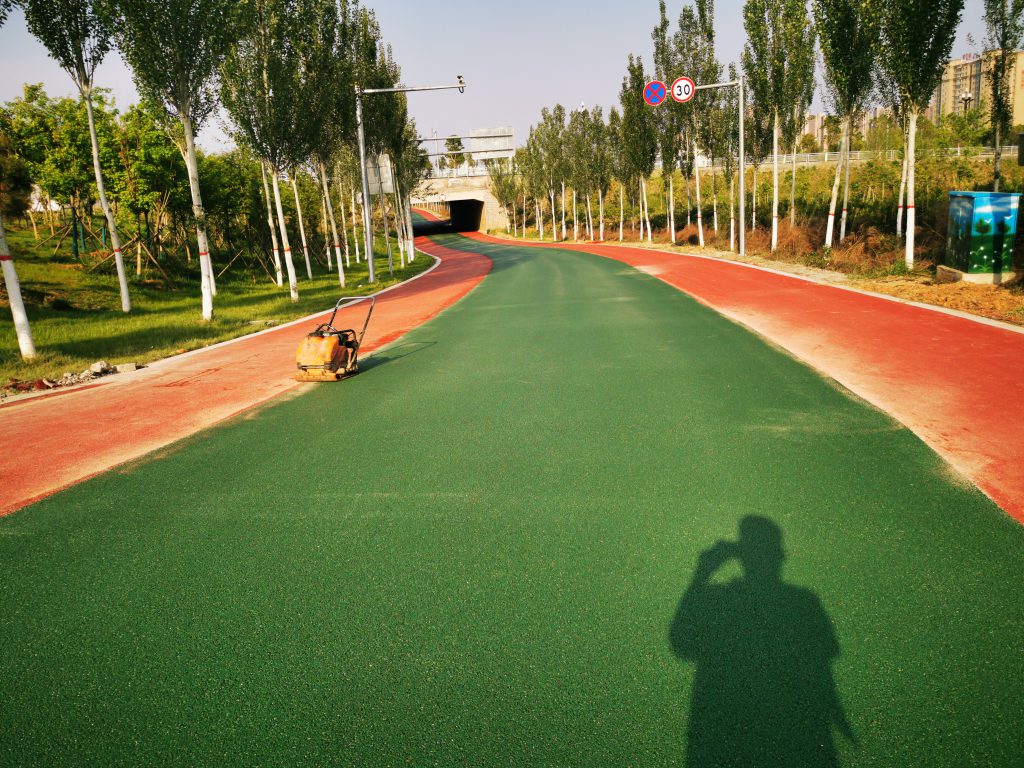
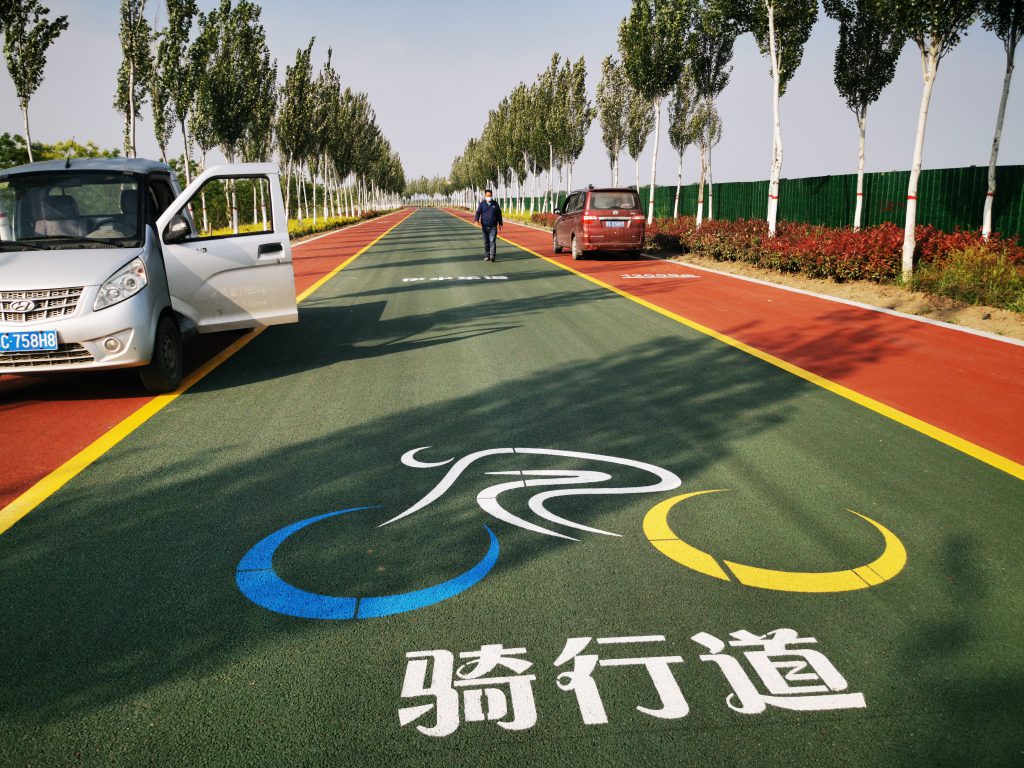
LIJIU · Factory direct · Pavement materials
Colored Pavement Series- Product Name LIJIU Colored Asphalt Binder
- Product Category Ordinary / Modified / Special Colored Asphalt
- Available Penetration Grades 50#,70#,90#
- Applicable Scene Hot-mix hot-laid colored asphalt pavement
- Ordinary-90# Penetration(0.1mm) 80-100
- Ordinary-90# Softening Point(℃) ≥45
Factory desk: +86 136 3947 0101
Colored Asphalt Binder (50-70-90 Grade Hot-Mix Decolorized Bitumen Binder) — overview
Overview
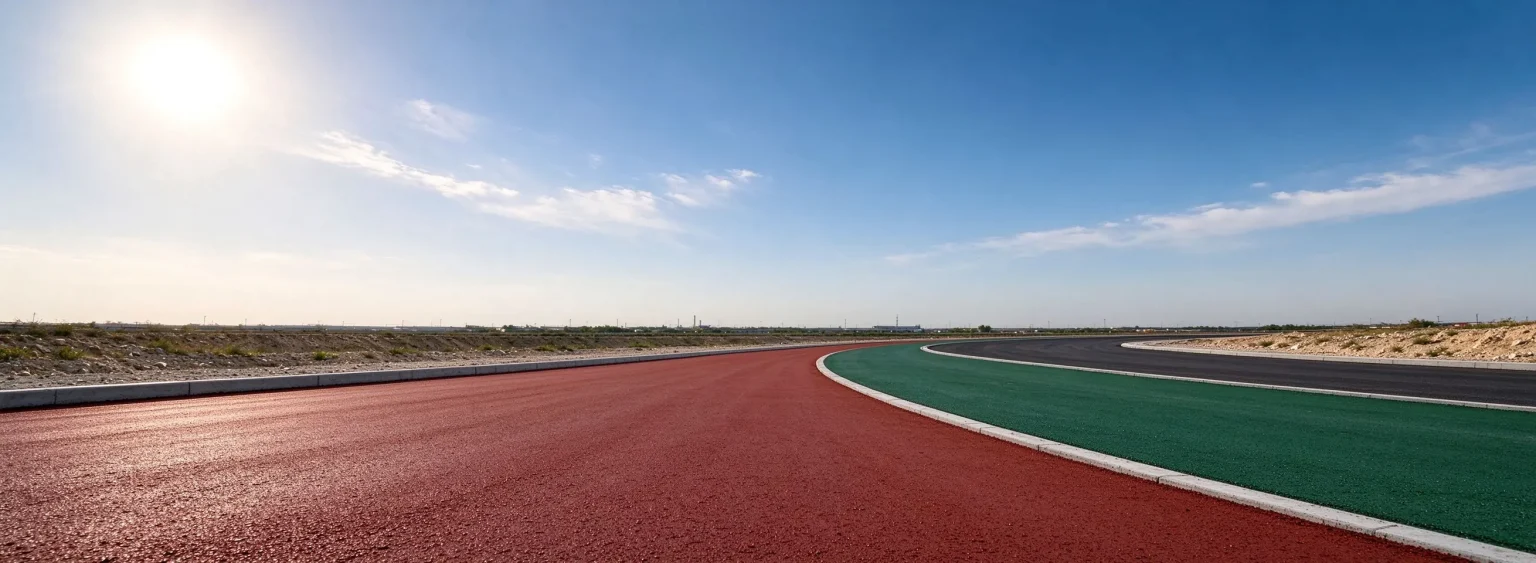
The LIJIU colored asphalt binder is a synthetic decolorized bitumen raw material developed for hot-mix hot-laid colored pavement projects.
This colored asphalt binder solves the defect of poor color expression of traditional black bitumen, and delivers stable road performance for landscape-oriented traffic infrastructure.
Pair this binder with our water-based colored thin pavement system for greenway and tourist-road overlays, and use the thin pavement system buying guide to compare the two overlay routes side by side.
Product Grades & Performance Features of the colored asphalt binder
This binder series is divided into three categories: ordinary, modified and special colored asphalt, to satisfy different traffic-load requirements. Ordinary grade fits non-motor lanes and public facilities. Modified version targets urban motor vehicle carriageway. Special grade serves heavy-duty wearing layer for urban arterial road and bridge deck.
Different penetration grades (50#,70#,90#) of this binder provide options for varied climate zones. All these binder formulations deliver balanced high-low-temperature property and anti-water-damage capacity. When cooperating with supporting inorganic pigment, it forms bright, long-lasting colorful mixture.
Mix-Design & Raw-Material Matching for the colored asphalt binder
When designing mixture proportion, refer to JTG F40-2004 asphalt pavement construction specification. It is advised to raise the asphalt-aggregate ratio of this binder formula by 0.2 percentage points comparing with conventional black asphalt.
Pigment adding dosage normally keeps 2.5-3%. For light-toned surface, adjust proportion on the basis of actual color test. For this binder series, conventional crushed stone aggregate can be adopted; choose aggregate with lighter color to get better visual effect.
Production & Mixing Guidance
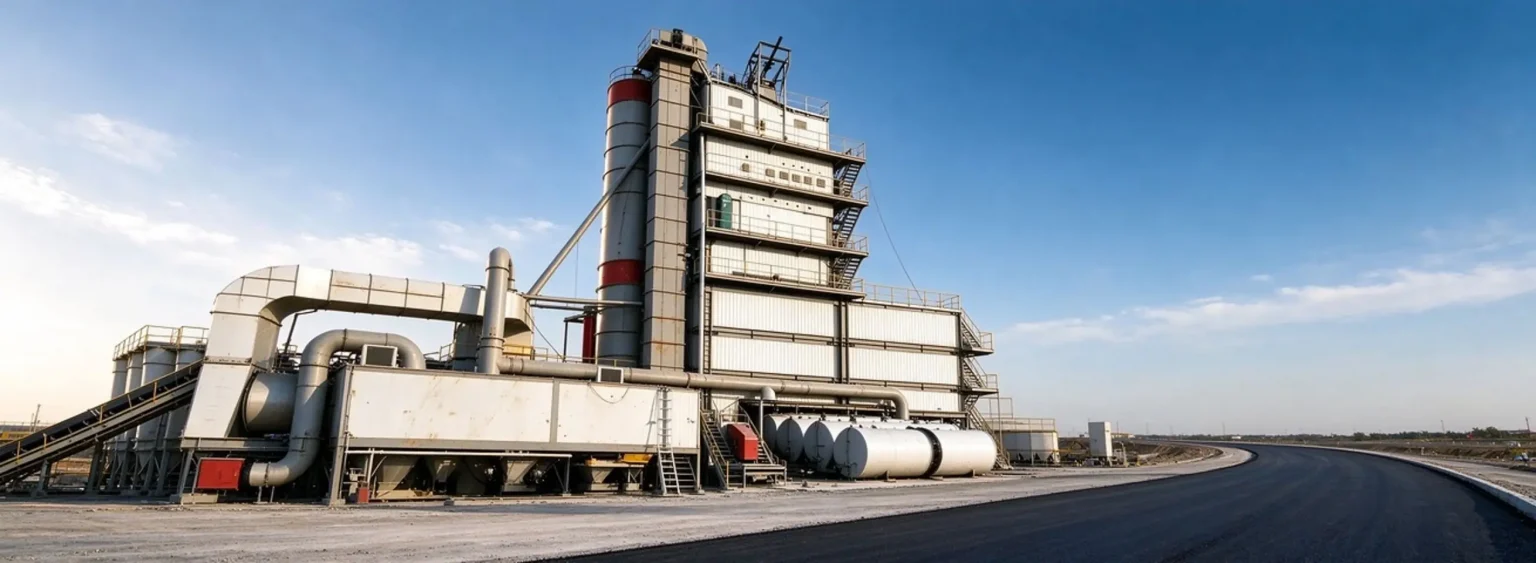
No hardware reconstruction is required for existing asphalt mixing plant. Before production, clean mixing tank, pipelines and transport vehicle to prevent contamination from residual black bitumen.
Heat the binder up to about 150 ℃ and aggregate to 170 ℃. Keep mixture discharge temperature near 150 ℃. Each batch mixing time cannot be less than 55 seconds, dry-mix period ≥10 seconds to guarantee even pigment dispersion. Finished mixture should show uniform color without white spot, segregation or agglomeration.
Paving, Compaction & Restrictions
Paving temperature shall stay above 140 ℃, initial compaction temperature ≥130 ℃, final compaction temperature shall not drop below 100 ℃. Strictly prohibit construction under ambient temperature below 10 ℃, rainy weather, wet road or strong wind.
Avoid over-compaction which will crush aggregate and damage surface visual effect. Open traffic only after pavement fully cools down to ambient temperature. Applying transparent protective coating after construction can further extend service life and color durability.
Table 1 Colored Asphalt Application Scope
| Colored asphalt | Scope of application |
|---|---|
| Standard colored asphalt | Color asphalt concrete pavement for non-motorized vehicle lanes in urban road and other public facility paving projects at all levels |
| Modified colored asphalt | Color asphalt concrete pavement for motor vehicle lanes in urban road and other public facility paving projects at all levels |
| Special colored asphalt | Graded asphalt wear layer for colored asphalt concrete pavements (including urban expressways, main arterial roads, and bridge decks) and for permeable/ pervious pavements |
Table 2 Ordinary Colored Asphalt Technical Specifications
| Metric | Unit | 90 | 70 | 50 |
|---|---|---|---|---|
| Needle penetration | 0.1mm | 80-100 | 60-80 | 40-60 |
| Softening point | ℃ | ≥45 | ≥46 | ≥49 |
| 15°C elongation | cm | ≥100 | ≥100 | ≥80 |
| Flash point | ℃ | ≥230 | ≥240 | ≥250 |
| Mass loss | % | ≤2 | ≤2 | ≤2 |
| Dynamic viscosity at 60°C | Pa.s | ≥140 | ≥160 | ≥180 |
Table 3 Modified Colored Asphalt Technical Specifications
| Metric | Unit | I-B | I-C | I-D |
|---|---|---|---|---|
| Needle penetration | 0.1mm | 80-100 | 60-80 | 40-60 |
| Softening point | ℃ | ≥58 | ≥60 | ≥63 |
| 5°C elongation | cm | ≥40 | ≥30 | ≥20 |
| Flash point | ℃ | ≥230 | — | — |
| Mass loss | % | ≤2 | — | — |
| 130°C dynamic viscosity | Pa.s | ≤2 | — | — |
Table 4 Special Colored Asphalt Technical Specifications
| Metric | Unit | Technical requirement |
|---|---|---|
| Needle penetration | 0.1mm | 30-60 |
| Softening point | ℃ | ≥80 |
| 5°C elongation | cm | ≥20 |
| Flash point | ℃ | ≥260 |
| Mass loss | % | ≤1.5 |
| Viscosity at 60°C | Pa.s | ≥20000 |
| Elastic recovery: 25°C | % | ≥75 |
Table 5 Pigment Index
| Metric | Unit | Technical requirement |
|---|---|---|
| Surface | – | Powder |
| Water-soluble substance content | % | ≤1.0 |
| 105°C volatile matter | % | ≤1.5 |
| Coloring power | – | 98-102 |
| Oil absorption | % | ≤22 |
| Sieve residue | % | ≤0.1 |
Table 6 Pigment Color Classification
| Order number | Class | Ingredient | Cost Breakdown |
|---|---|---|---|
| 1 | Red | Ferric oxide | Low |
| 2 | Green | Chromium hemitrioxide | Centered |
| 3 | Blue | Cobaltous oxide | High |
| 4 | Yellow | Chromium hemitrioxide | High |
| 5 | Gray | Composite pigments | Centered |
| 6 | White | Zirconia | High |
Table 7 Color Asphalt Mixture Aggregate Gradation Range (mass percentage passing sieve, %)
| Grading type | 16 | 13.2 | 9.5 | 4.75 | 2.36 | 1.18 | 0.6 | 0.3 | 0.15 | 0.075 |
|---|---|---|---|---|---|---|---|---|---|---|
| CAC-5 | — | — | 100 | 90~100 | 55~75 | 35~55 | 20~40 | 12~28 | 7~18 | 5~10 |
| CAC-10 | — | 100 | 90~100 | 45~65 | 35~50 | 22~40 | 13~30 | 9~23 | 6~15 | 4~8 |
| CAC-13 | 100 | 90~100 | 70~80 | 43~55 | 28~45 | 15~35 | 10~28 | 7~20 | 5~15 | 4~8 |
| COGFC-10 | — | 100 | 90~100 | 50~70 | 10~22 | 6~18 | 4~15 | 3~12 | 3~8 | 2~6 |
| COGFC-13 | 100 | 90~100 | 60~80 | 12~30 | 10~22 | 6~18 | 4~15 | 3~12 | 3~8 | 2~6 |
Why Decolorized Binder Rather Than Dyed Black Bitumen
Colour in asphalt cannot simply be painted on. Ordinary black bitumen is opaque, so pigment added to a normal mix is buried inside the binder film and the finished surface still reads dark. Decolorized synthetic binder solves the problem at the source: it is produced from selected base stocks that are light in colour, so the pigment added at the mixer determines what the road actually looks like.
The LIJIU colored asphalt binder is developed specifically for hot-mix, hot-laid colored pavement. It delivers the road performance that a public route requires while allowing the surface to hold a stable, intended colour under long-term ultraviolet exposure. That combination is what makes it suitable for tourist greenways, bicycle lanes and municipal landscaped roads, where appearance is a specification item rather than an afterthought.
How to Choose Between Ordinary, Modified and Special Binder Grades
The range is divided into three groups, and the choice follows the traffic load and the position of the layer in the pavement structure.
- Ordinary colored asphalt — available in 50#, 70# and 90# penetration grades. The 90# grade is measured at 80–100 (0.1 mm) penetration with a softening point of ≥45 °C and 15 °C elongation of ≥100 cm; the 70# grade at 60–80 penetration, ≥46 °C softening point and ≥100 cm elongation; the 50# grade at 40–60 penetration, ≥49 °C softening point and ≥80 cm elongation. These suit non-motor-vehicle lanes, footways and light-duty landscape paving.
- Modified colored asphalt — supplied in I-B, I-C and I-D grades for motor lanes and higher-temperature service, where added elasticity and rutting resistance are needed.
- Special colored asphalt — penetration 30–60 (0.1 mm) with a softening point of ≥80 °C, intended for heavy-traffic wearing courses and for locations exposed to sustained high temperatures.
A useful rule is to select the softest grade that still satisfies the local high-temperature requirement for the layer in question. Choosing a harder binder than necessary reduces workability at the paver and makes compaction harder to achieve, which shows up later as a lower in-place density rather than as an obvious defect.
Mix Design and Pigment Dosage in Practice
The recommended pigment dosage is 2.5–3% by mass of aggregate, matched with inorganic heat-resistant pavement pigment. Light-colour formulas may need the figure at the upper end of the range, while deeper shades can sit at the lower end, and the dosage should be confirmed by a trial mix rather than assumed from the colour swatch.
Production temperatures are decisive for colour uniformity. Binder heating sits at approximately 150 °C, aggregate heating at approximately 170 °C, and the mixture discharge temperature around 150 °C. Mixing time per batch should be at least 55 seconds, which is the point at which the pigment has dispersed evenly through the binder film. Shortening the mixing cycle to raise output is the most common cause of a mottled appearance that only becomes visible once the surface has been laid and cooled.
Production Control on Site
The material is compatible with all brands of asphalt mixing plant and needs no additional modification to the plant itself. In practical terms that means the same cold feed, dryer, screens, hot bins, weighing system and mixer that produce conventional mix will also produce colored mix, provided the operator follows the temperature and mixing-time windows above and cleans the mixer and hot bins when switching between colours.
Two control points repay attention during production. First, keep the pigment addition calibrated — a drift of half a percentage point is enough to change the finished shade between batches. Second, avoid holding colored mix in the hot bin for extended periods, because the pigment and binder separate more readily than in a plain black mix, and segregated material will show as patchy colour once laid.
Construction Notes and Weather Limits
Colored mixture is normally laid as a surface functional layer over an asphalt or concrete base, in CAC dense-graded or COGFC open-graded drainage colored asphalt mixtures. Avoid placement when the ambient temperature is below 10 °C, and do not pave in rain, on a wet surface or in strong wind, because the reduced workability of a coloured mix leaves less margin for a delayed rolling programme. Compaction should follow the same pattern as conventional mix but be completed within the workability window established by the trial section.
Packaging, Handling and Storage
colored asphalt binder is supplied from the Dezhou works on FOB Qingdao terms and is quoted as a unit price band rather than a single figure, because the delivered price depends on grade and order volume. Store the material in the same conditions you would use for conventional binder, keep grades separated so that a 50# batch is not loaded on top of a 90# consignment, and protect the pigment from moisture before use. Matching the binder and the pigment from a single source is worthwhile: the pairing has been tested together, and responsibility for the finished colour rests with one supplier rather than being split between two.
Product images
Related equipment and guides
Standards and references
Specifications on this page follow Federal Highway Administration — Asphalt Pavement Recycling. Ask us for the full test report when you request a quote.
Applications
Applications
Bus lanes, landscape roads, precinct paving, RAP restoration and thin overlays on existing asphalt in tropical and high-temperature climates.
Urban bicycle lanes & non-motor vehicle roads
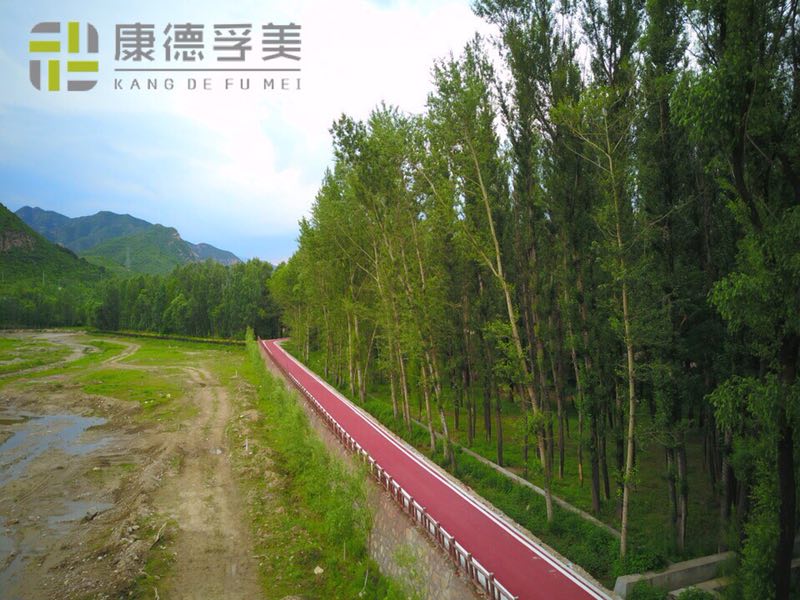
Tourist highway scenic greenway projects
Bus dedicated lanes and highway service roads
Park, square and recreational landscape pavement
Tunnel interior light-colored anti-glare pavement
Residential community beautifying colored road surface
Why contractors specify this line
Advantages
Decolorized synthetic colored asphalt binder for hot-mix colored pavement
Three-grade classification: ordinary, modified and special for different traffic loads
Outstanding high-low-temperature stability & water damage resistance
Directly compatible with existing asphalt mixing plant without reconstruction
Perfect matching with our heat-stable inorganic pavement pigments
Long-term weather resistance for long-life colorful road surface
Specifications
Specifications
Values below come from the product record. Freeze them on the approval drawing before you put them in a bid.
| Item | Value |
|---|---|
| Product Name | LIJIU Colored Asphalt Binder |
| Product Category | Ordinary / Modified / Special Colored Asphalt |
| Available Penetration Grades | 50#,70#,90# |
| Applicable Scene | Hot-mix hot-laid colored asphalt pavement |
| Ordinary-90# Penetration(0.1mm) | 80-100 |
| Ordinary-90# Softening Point(℃) | ≥45 |
| Ordinary-90# 15℃ Elongation(cm) | ≥100 |
| Ordinary-70# Penetration(0.1mm) | 60-80 |
| Ordinary-70# Softening Point(℃) | ≥46 |
| Ordinary-70# 15℃ Elongation(cm) | ≥100 |
| Ordinary-50# Penetration(0.1mm) | 40-60 |
| Ordinary-50# Softening Point(℃) | ≥49 |
| Ordinary-50# 15℃ Elongation(cm) | ≥80 |
| Modified Series Grade | I-B / I-C / I-D |
| Special Colored Asphalt Penetration(0.1mm) | 30-60 |
| Special Colored Asphalt Softening Point(℃) | ≥80 |
| Recommended Pigment Dosage | 2.5-3 % by mass |
| Recommended Aggregate Heating Temp | 170 ℃ |
| Binder Heating Temperature | 150 ℃ |
| Mixture Discharge Temperature | 150 ℃ |
| Mixing Time Per Batch | ≥55 s |
| Compatible Equipment | All brands of asphalt mixing plant,no extra modification |
| Matching Pigment | LIJIU inorganic heat-resistant pavement pigment |
| Trade Term | FOB Qingdao |
| Factory Location | Dezhou, China |
Installation and commissioning
Process
-
01
Existing pavement check
Ride, cracking and raveling; RAP sections need extraction and grading before dosage.
-
02
Mix or overlay trial
Confirm binder content, pigment ratio and laying temperature.
-
03
Lay and compact
Control thickness and joints. Do not finish-roll below the specified temperature.
-
04
Open to traffic
Open after strength or break. Check skid and color against the sample.
Colored Asphalt Binder (50-70-90 Grade Hot-Mix Decolorized Bitumen Binder) FAQ
What is colored asphalt binder used for?
LIJIU colored asphalt binder is decolorized bitumen raw material, specially for hot-mix hot-laid colored asphalt pavement on bike lanes, scenic greenways and municipal roads.
What grades does this colored asphalt binder provide?
We supply ordinary(50#,70#,90#), modified(I-B/I-C/I-D) and special colored asphalt for non-motor lanes, motor lanes and heavy-traffic surface wearing layer.
How much pigment should be mixed with this binder?
Recommended pigment dosage is 2.5-3% of aggregate mass; increase appropriately for light-color formula according to project requirement.
Does it need to rebuild existing asphalt mixing plant?
No special modification required. Our material can be directly applied for most domestic and international asphalt mixing equipment.
What are the key production temperature requirements?
Binder heating approx 150℃, aggregate heating approx 170℃, mixture discharge temperature keep around 150℃.
What kind of pigment matches with this colored asphalt binder?
Match with LIJIU inorganic pavement pigment, good heat-resistance and anti-fading performance under long-time UV exposure.
What pavement structure fits for this material?
It works for CAC dense-graded and COGFC open-graded drainage colored asphalt mixture, serve as surface functional layer above asphalt or concrete base.
What construction notes should we notice?
Avoid construction below ambient 10℃, rainy, wet or heavy-wind condition; strictly control mixing time ≥55s for uniform pigment dispersion.
Need an FOB configuration for this model?
Send tph or tonnage, RAP ratio, voltage, fuel and destination port. LIJIU replies within 24 hours with scope, lead time and a spare-parts list. Desk: +86 136 3947 0101
Related models
Related
Related guides
Guides