What Is a Water-Based Colored Thin Pavement System?
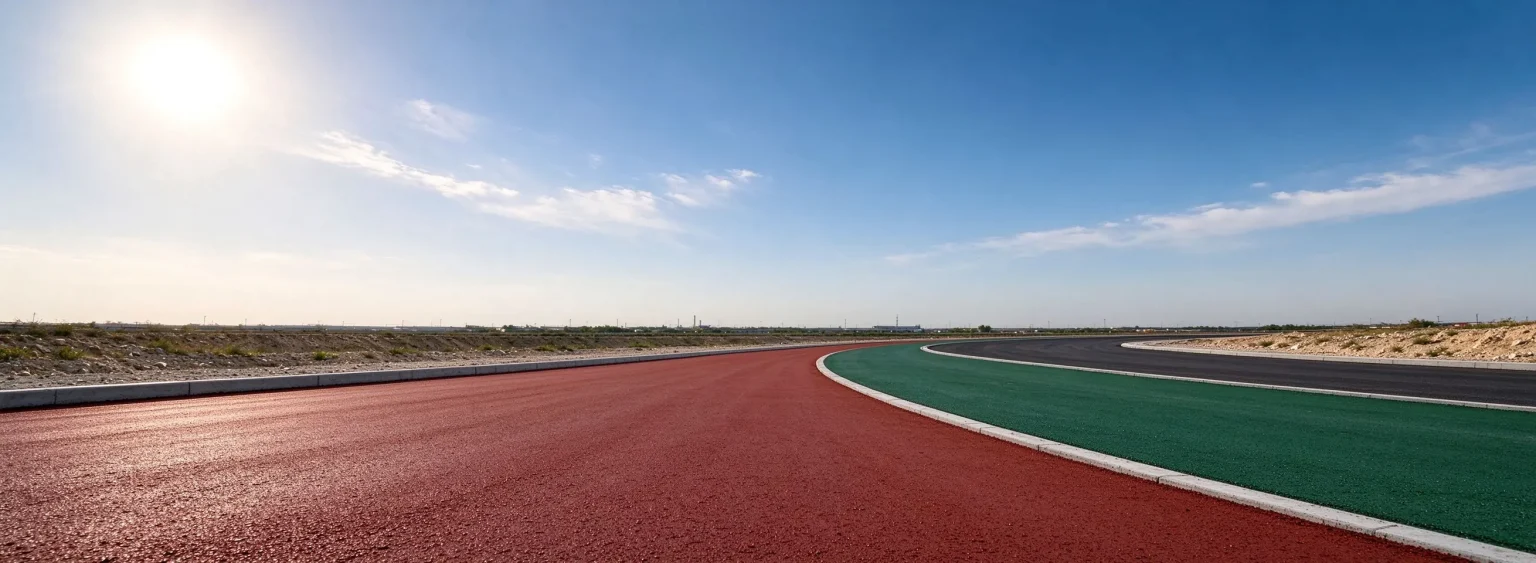
This colored thin pavement system buying guide answers the specification questions first. A water-based colored thin pavement system is a modified polymer paving solution applied in three composite layers — primer, intermediate coating and surface coating — with a total finished thickness of only about 1 mm. Unlike conventional colored asphalt, it is applied at ambient temperature, adds almost no elevation or structural load to the existing asphalt base, and uses a water-based, low-VOC formula instead of solvent-based products. This colored thin pavement system buying guide also covers substrate preparation, crack treatment and weather windows for each coating pass. Contractors keep this colored thin pavement system buying guide beside the site manager’s job card during the first overlay project. Where a project plan has to be defended to the owner, this colored thin pavement system buying guide supplies the dosage and cure-time evidence.
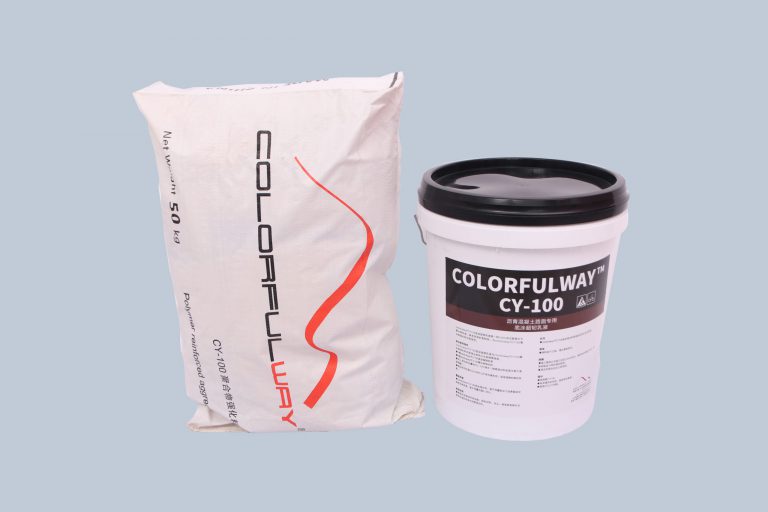
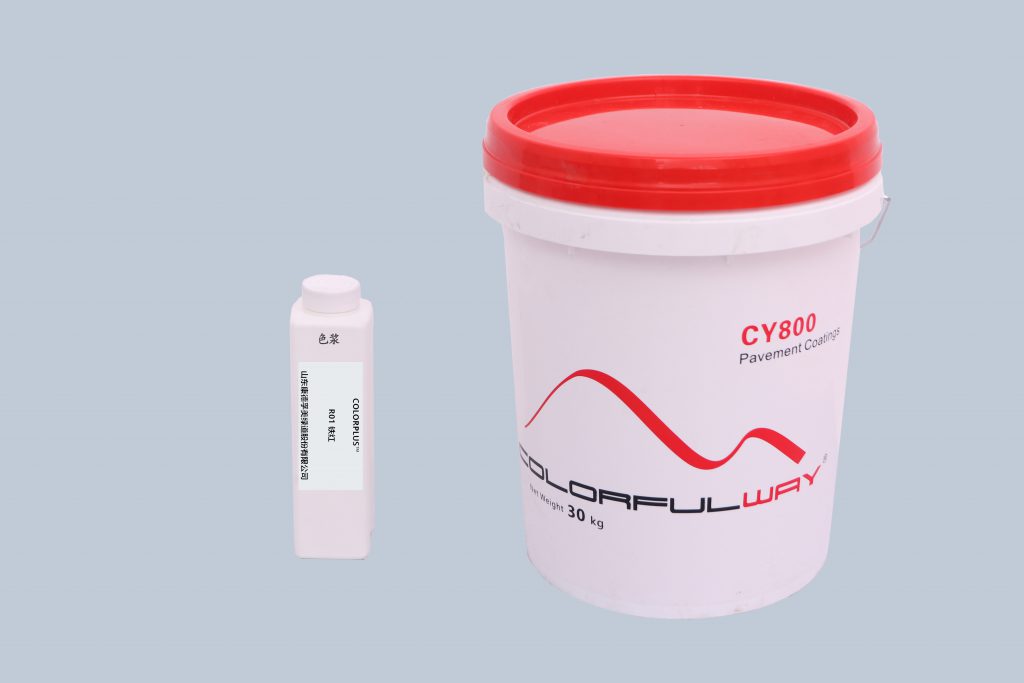
The COLORFULWAY® system from LIJIU, for example, uses CY800 primer and intermediate coats with a CY1000 surface coat, loaded with high-strength wear-resistant silica aggregates and COLORPLUS pigment blends. The result is a dense, flexible colored surface that locks onto asphalt concrete, adapts to minor base deformation without cracking, and resists UV-driven color fading.
Water-based thin pavement vs. traditional colored asphalt
| Comparison point | Water-based colored thin pavement (1 mm) | Traditional colored asphalt overlay |
|---|---|---|
| Finished thickness | ~1 mm | 2–4 cm typical |
| Construction temperature | Ambient | Hot-mix, needs plant and rollers |
| Elevation / structural load added | Negligible | Significant |
| VOC profile | Low (water-based) | Higher |
| Anti-UV color retention | Built-in UV stabilizers | Varies by pigment |
| Typical projects | Greenways, cycle lanes, plazas, slow-traffic roads | Heavy-traffic colored pavement |
Why Contractors Choose a 1-mm Water-Based Colored Thin Pavement
- No elevation problem. Because the finished thickness is only about 1 mm, you keep curb heights, drainage and existing line markings intact — a decisive advantage on retrofit greenway jobs.
- Ambient-temperature application. No asphalt plant, no heating, shorter lane-closure windows and lower energy cost.
- Skid resistance that holds. The system keeps a pendulum skid-resistance value (BPN) of at least 45, which is what cyclists and pedestrians actually feel.
- Bond strength you can test. Tensile bonding strength reaches ≥2.0 MPa on asphalt concrete, so the film stays put under braking and turning loads.
- Weather and aging performance. Passes 800-hour accelerated aging and three-cycle low-temperature cracking tests; abrasion loss stays ≤50 mg under standard testing.
- Custom colors without dye-only surfaces. Color is blended into the structure, not painted on top.
Key Specifications to Check Before You Buy
When you compare quotes for a water-based colored thin pavement system, put these in the spec table:
| Specification | What to check | COLORFULWAY® reference value |
|---|---|---|
| Total system thickness | Keep ≤2 mm for retrofit jobs | ~1 mm |
| Layer structure | Number of coats and product codes | Primer CY800 / Intermediate CY800 / Surface CY1000 |
| Primer application rate | kg/m² per coat | 0.7–1.2 kg/m² |
| Intermediate coat rate | kg/m² per coat | 0.5–0.9 kg/m² |
| Skid resistance | BPN after curing | ≥45 |
| Bond strength | Tensile bonding on asphalt concrete | ≥2.0 MPa |
| Aging test | Accelerated aging hours | 800 h passed |
| Low-temperature flexibility | Cracking cycles at low temp | 3 cycles passed |
| Abrasion | Wear loss under standard test | ≤50 mg |
| VOC / emission | Water-based, low-VOC | Yes |
| Color options | Pantone / custom blending | COLORPLUS matched |
How to Match the System to Your Project
- Base condition: The system bonds to sound asphalt concrete. If the base has alligator cracking or deep potholes, repair it before overlay — a 1 mm film is not a structural layer.
- Traffic type: Designed for slow-traffic and light vehicles (greenways, tourist roads, cycle lanes, plazas). Do not specify it for heavy truck lanes without discussing a structural colored layer with the supplier.
- Climate: Anti-UV components matter most in high-sun regions; low-temperature flexibility matters where winters freeze. Ask the supplier to confirm both test results for your climate.
- Color and marking: Decide colors before quoting so the supplier can batch the COLORPLUS pigment and give you a consistent color across the whole project.
What to Ask the Supplier (RFQ Checklist)
Send these six points with every inquiry:
- Full system codes and per-layer application rates (primer, intermediate, surface).
- Test certificates: BPN, bond strength, aging hours, low-temperature cycles, abrasion loss.
- Coverage per ton or per drum, so you can calculate total quantity.
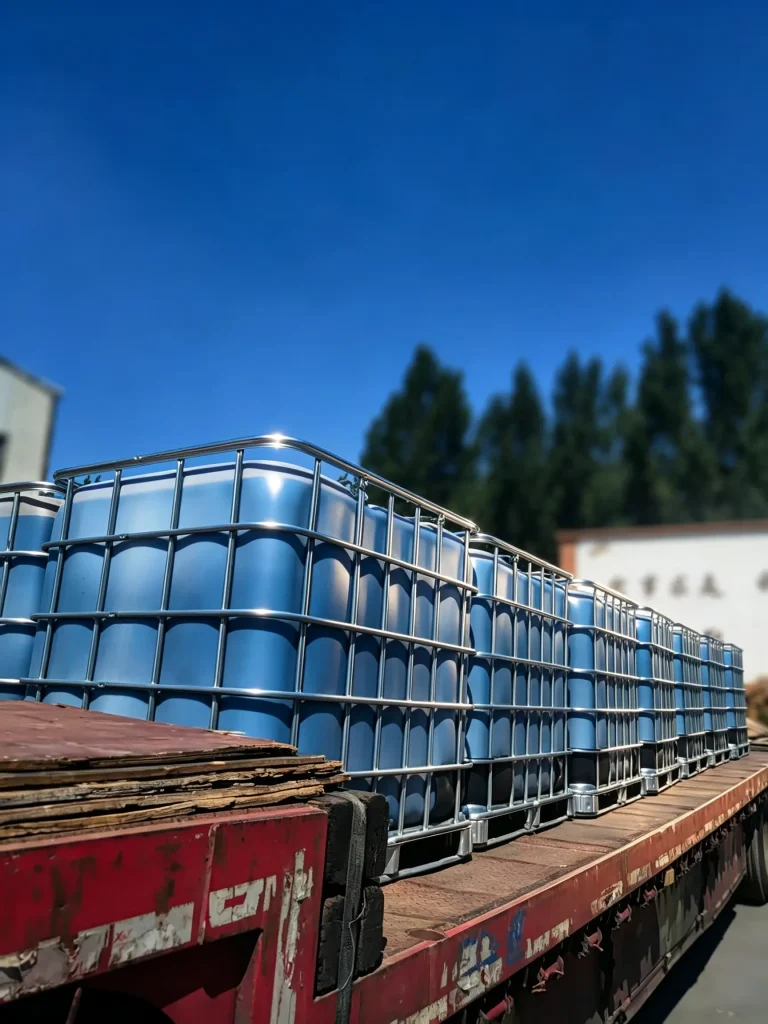
- Shelf life, storage temperature and packaging (drums, pallets).
- Installation guidance and curing time before reopening to traffic.
- FOB port, lead time and whether samples ship before production.
Installation Basics
The typical sequence is surface preparation (cleaning, drying), primer application at 0.7–1.2 kg/m², intermediate coating at 0.5–0.9 kg/m², then the CY1000 surface coat with aggregate. Keep the base dry and above the minimum ambient temperature stated in the technical datasheet; allow full curing before line marking and opening to traffic. For a water-based colored thin pavement system, most application problems come from wet or dusty bases, not from the material itself.
Drying, recoating and traffic reopening
The COLORFULWAY technical brochure lists ≤60 minutes for non-stick drying under its referenced test procedure. This does not establish full cure or a time for reopening to traffic. The 24-hour coating interval in the brochure is part of laboratory preparation of composite-coating test specimens, not a universal site recoat interval.
Confirm recoat conditions, curing and traffic acceptance in the current project application sheet. Temperature, humidity, coating rate and substrate condition affect the site schedule. Protect the coating during curing and reopen only when the specified conditions for the intended traffic have been met.
Maintenance and Lifespan
With a sound base and correct application, the 1 mm film needs little more than periodic cleaning. Re-coating a faded or worn section is possible on the same system, which keeps lifecycle cost low. Routine checks: watch for peeling at edges (usually a base-preparation issue), and verify skid performance after heavy use on ramps.
Cost and FOB Considerations
The price of a water-based colored thin pavement system is driven by system type, color matching, quantity and destination. Buying factory-direct from Dezhou with FOB Qingdao terms removes trading-layer markup. Ask for a configuration sheet with per-layer rates and FOB price together — that is the only way to compare two quotes fairly. ISO 9001 documentation should travel with the offer, and CE, SNI or TISI papers can be prepared when the tender lists them.
Applications: Where a 1-mm Colored Thin Pavement Fits
The 1 mm water-based colored thin pavement system is designed for slow-traffic and non-motorized surfaces. The most common applications are:
Tourist highway greenways
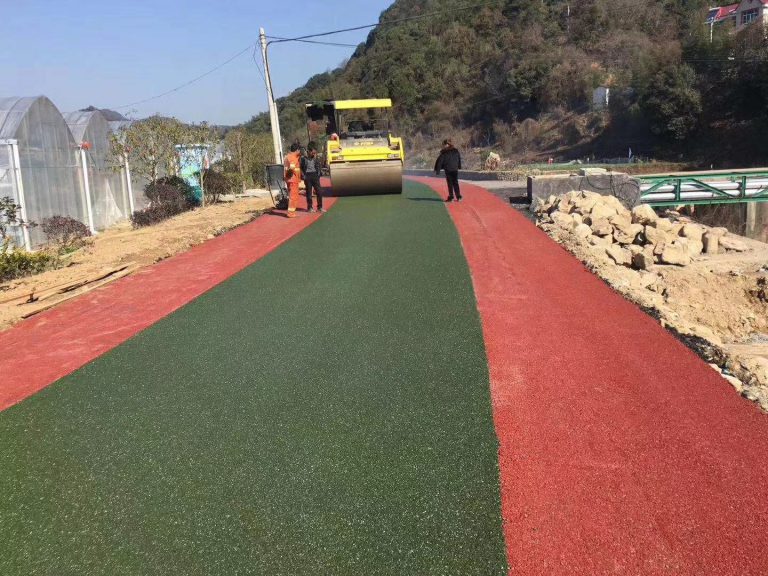
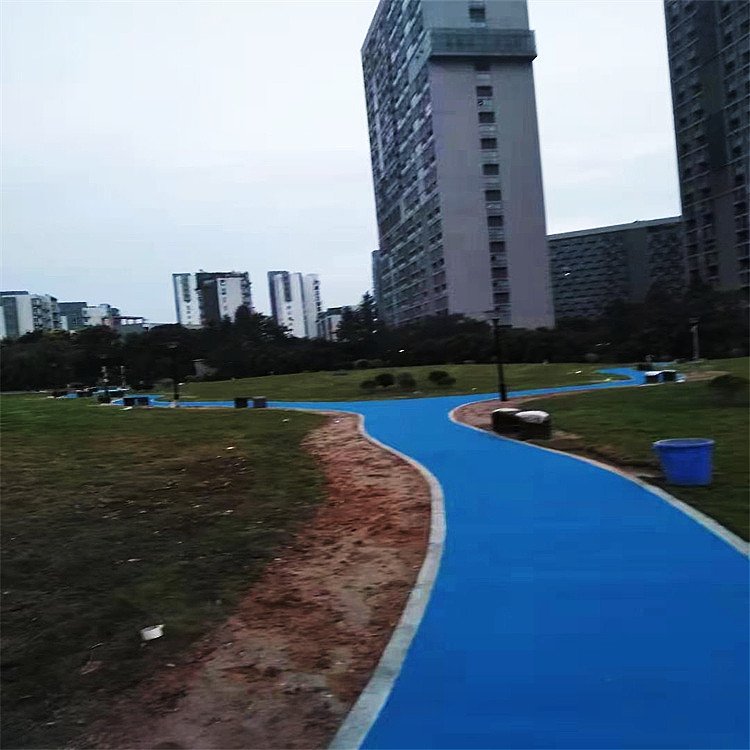
Greenways alongside tourist highways are the system’s home turf. The route carries cyclists and pedestrians rather than trucks, so a thin flexible film with strong color retention is enough — and it does not raise the road profile at bridges, curbs or drainage inlets. Anti-UV performance keeps the red, blue or green finish from fading during a full tourist season.
Urban slow-traffic networks and cycle lanes
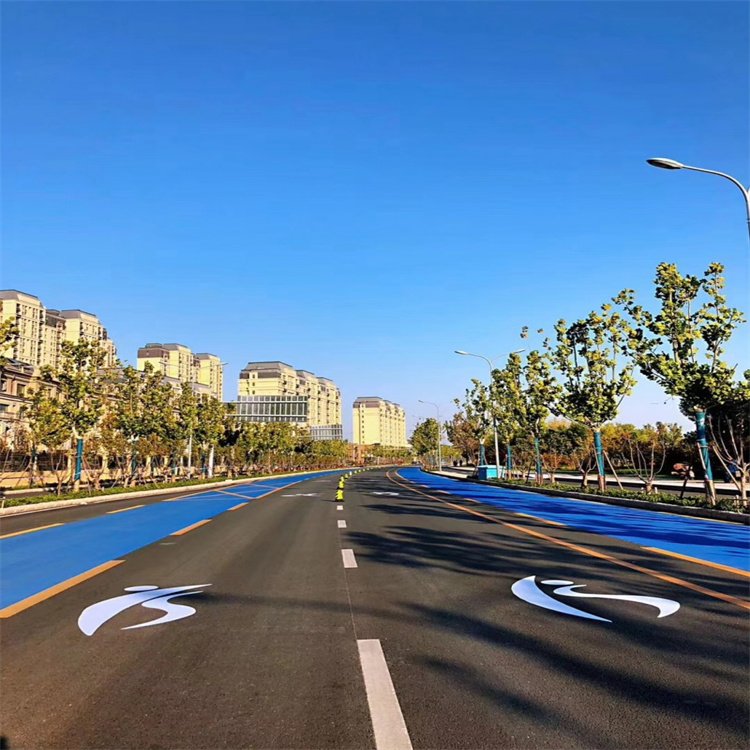
City authorities specify colored thin pavement to separate cycle lanes visually from vehicle lanes. Ambient-temperature application means shorter lane closures and lower disruption than hot-mix colored asphalt. The BPN ≥45 skid value is the number that city safety departments usually ask to see in the tender document.
Parks, campuses and fitness tracks
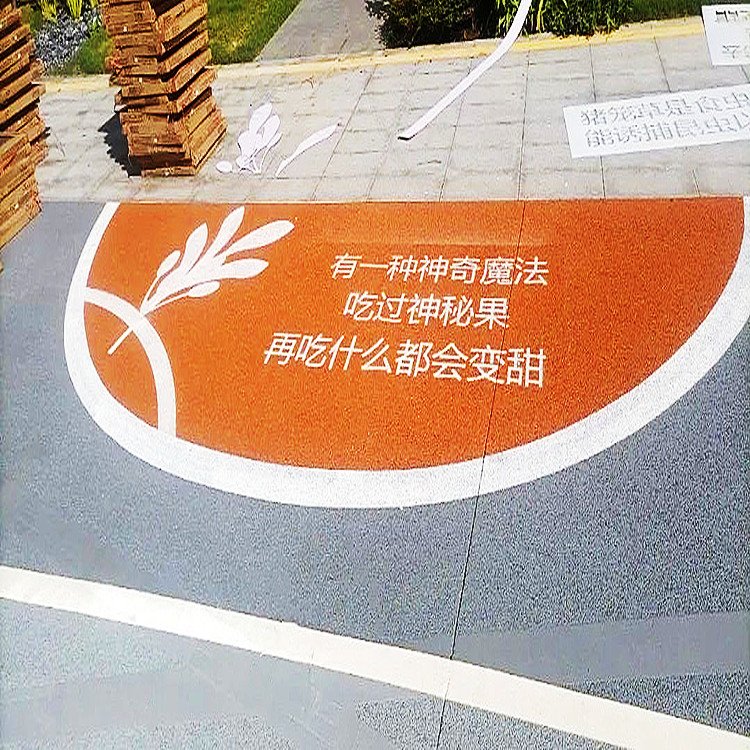
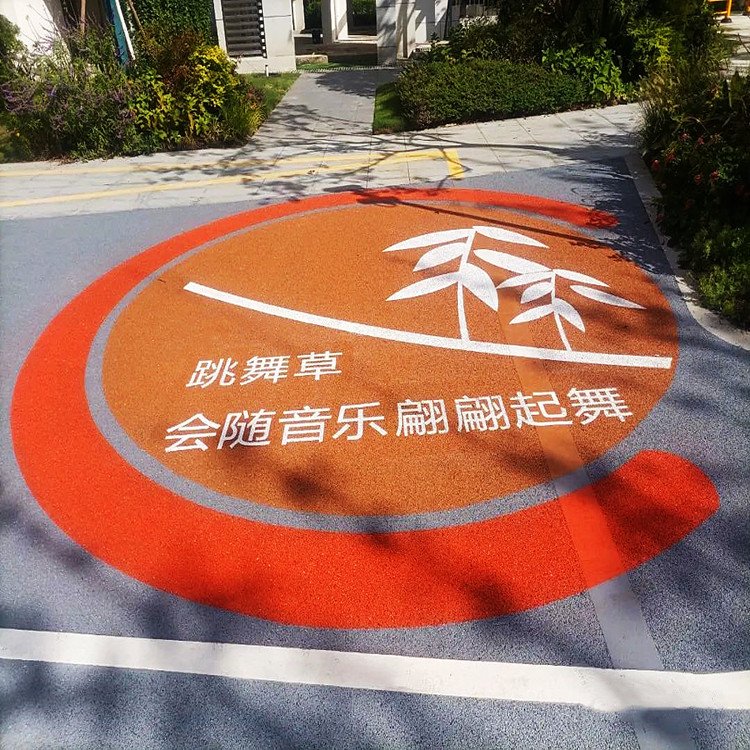
Park roads, school campuses and fitness tracks benefit from the low-VOC water-based formula: the work happens close to people and green space, and there is no solvent smell after curing. Custom colors match landscape design, and the flexible film tolerates tree-root movements better than rigid coatings.
Plazas, parking decks and access lanes
For plazas and light-vehicle access lanes, colored thin pavement adds a finished, designed look without a full structural overlay. Confirm light vehicle-only traffic with the supplier before specifying; heavy truck loading needs a different structural solution.
How to Estimate Quantity for Your Project
Quantity planning is straightforward once you know the per-layer application rates. Take a 1,000 m² greenway section as an example:
| Layer | Rate (kg/m²) | Material for 1,000 m² |
|---|---|---|
| Primer CY800 | 0.7–1.2 | 700–1,200 kg |
| Intermediate CY800 | 0.5–0.9 | 500–900 kg |
| Surface CY1000 | As per datasheet | Depends on aggregate spec |
| Wastage buffer | +5–10% | Add to all layers |
For a 1,000 m² project, primer and intermediate alone total roughly 1.2–2.1 t before the surface coat. Order a little extra for edge trimming and touch-up, and ask the supplier to confirm coverage per drum so the number of drums matches your area.
Common Mistakes to Avoid
- Applying on a wet or dusty base. The film locks onto asphalt concrete; moisture and dust cut bond strength. Clean, dry and, where needed, prime the same day as coating.
- Skipping the primer. Each layer has a job. Dropping the CY800 primer saves a little money on paper but risks peeling later, and the rework costs more than the primer.
- Mixing color batches across the project. Match COLORPLUS pigment quantities before quoting so the whole stretch is one color rather than patches of slightly different shades.
- Underestimating wastage. Trims, overlaps and touch-up on a real site typically run 5–10% above the theoretical rate.
- Using it under heavy traffic. A 1 mm film is a surface treatment. If the lane takes trucks, specify a structural colored layer instead.
Color Options and Design with COLORPLUS
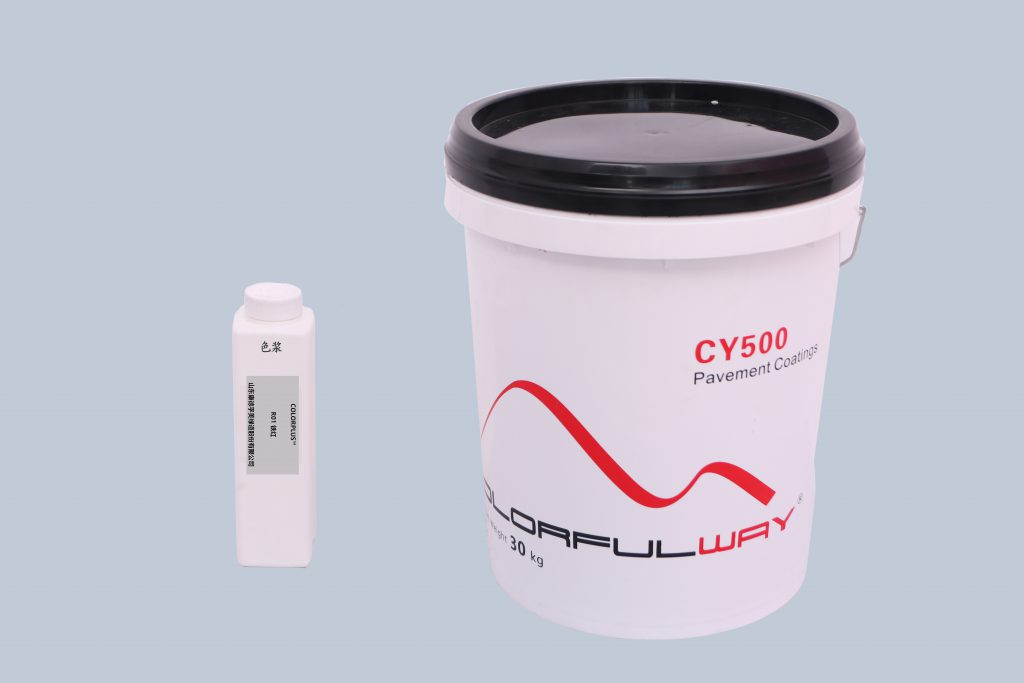
Color is blended into the structure with COLORPLUS pigments rather than painted on top, which is why the finish holds under sunlight and wear. Standard options cover red, blue, green, yellow and grey; custom colors can be matched to Pantone references or to the client’s landscape palette. For slow-traffic roads, plan the color blocks and white line markings together: the thin profile means markings stay flush, and the skid surface works for both the colored area and the marked zone.
Environmental and Documentation Notes
The water-based formula keeps VOC emissions low, which matters for projects with environmental clauses or work near schools, parks and residential areas. On the documentation side, ISO 9001 quality documents travel with the bid set as standard. When a tender lists CE, SNI or TISI requirements, the papers can be prepared in advance — mention this in your RFQ so the supplier includes the lead time. Request a sample board before production to verify color and skid on your own base.
Reference Projects and Factory Support
LIJIU has supplied colored pavement materials on annual-supply and project basis, including a 3,600-ton colored asphalt binder supply for a scenic greenway project in Luoyang. Orders from Dezhou ship FOB Qingdao with seaworthy packing, English drawings and application guidance. For spare or repeat orders, the factory keeps batch records so a second supply run matches the original color.
Questions to Ask During Sample Testing
A sample board is worth more than a data sheet. Before production, ask the supplier to ship a cured sample on asphalt-concrete substrate and check these points on site:
- Color match: Compare the sample against your Pantone or landscape reference in daylight, not under shop lighting.
- Skid feel: Walk and brake a bicycle on the sample; the BPN figure should be confirmed on the actual aggregate load.
- Bond after cure: Try the edge of the film — it should not peel with reasonable finger pressure after full cure.
- Flexibility: Confirm the low-temperature behavior matches your winter climate, not just a warm-weather demo.
- Batch repeatability: Ask whether a repeat order will match the sample batch, and whether the factory keeps batch records.
Cost Comparison: Water-Based Colored Thin Pavement vs. Traditional Overlay
Comparing the two options on first cost alone is misleading. A hot-mix colored asphalt overlay carries material, plant, hauling and compaction cost, plus longer traffic management. A 1 mm water-based system has lower equipment and energy cost and shorter lane closures. Over the service life, the water-based system’s re-coat ability and low maintenance offset the higher per-square-meter material price of some colored systems. The decision inputs are the same for both: area, base condition, color count, traffic type and lane-closure budget. Put those five numbers in the inquiry and the quote becomes comparable.
Installation Team and Equipment
The system is applied with standard coating equipment: mixing, spraying or roller application for primer and intermediate coats, and a squeegee or spray unit for the surface coat with aggregate. A crew of four to six can handle a typical greenway section once the base is ready. The supplier should provide an application sheet covering equipment list, mixing ratio, wet-film control and curing check. For first-time contractors, factory installation guidance or on-site supervision is worth including in the order, especially for the first 500 m² where application habits are formed.
Can it be used under heavy traffic?
No. The system is designed for slow-traffic and light-vehicle surfaces. Heavy truck lanes require a structural colored layer; discuss the traffic load with the supplier before specifying.
What service life can be expected?
With a sound base, correct application and periodic cleaning, the film serves through the project design life and can be re-coated when worn; exact life depends on UV, traffic and base condition.
FOB Qingdao Shipping and Documentation Notes
Orders from the LIJIU factory in Dezhou ship FOB Qingdao, the nearest major container port, with seaworthy packing designed for drums and pallets. For a typical greenway project the material volume is small enough for a single 20 ft container; confirm drum count and pallet weight with the configuration sheet so freight quotes match the order. English drawings, application guidance and a packing list travel with the shipment. When the tender demands compliance papers such as CE, SNI or TISI, name them in the RFQ so the factory can prepare them inside the lead time instead of after production.
Where to Buy a Water-Based Colored Thin Pavement System
Buying factory-direct removes the trading-layer markup and puts the datasheet, batch records and spare supply in one place. LIJIU supplies the COLORFULWAY® water-based colored thin pavement system, colored asphalt binder and color powder, and asphalt rejuvenator from the same Colored Pavement Materials line, so a mixed order ships together. Send the project area, base photos, target colors and traffic type through the factory inquiry desk and you receive a configuration sheet with per-layer rates and an FOB Qingdao quote within 24 hours.
Does the system require special storage?
Store drums in a cool, dry area away from direct sun and frost, and keep them sealed until use. The datasheet lists shelf life and minimum storage temperature; respect them in tropical or cold-season logistics.
FAQ — Colored Thin Pavement System Buying Guide
If your next tender calls for a colored greenway or slow-traffic surface, ask for the COLORFULWAY® water-based colored thin pavement system datasheet, or compare it with the colored asphalt binder and asphalt rejuvenator in the same Colored Pavement Materials line. Send your area, base condition and target colors through the factory inquiry desk for a configuration sheet and FOB Qingdao quote within 24 hours.
Further Reading
For general industry background, see the Asphalt Institute and the Federal Highway Administration asphalt pavement recycling programme. These are independent, non-commercial references and are not connected with LIJIU.
Related equipment and guides
Standards and references
Specifications on this page follow ASTM D6927 Standard Test Method for Marshall Stability. Ask us for the full test report when you request a quote.