
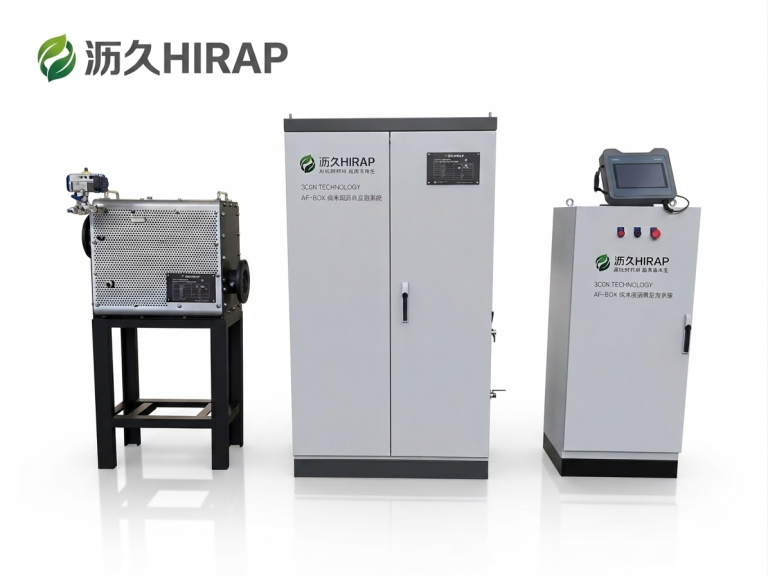
Choosing the right foaming equipment decides whether a cold-recycling or high-RAP programme actually pays. This buying guide for road contractors covers the parameters that matter when you compare foaming units for plant retrofit projects.
What Is Asphalt Foaming Equipment?
Asphalt foaming equipment (also called a foamed bitumen plant or foamed asphalt system) injects small amounts of water and air into hot bitumen under controlled pressure. The water instantly flashes into steam, expanding the bitumen up to 15–20 times its original volume and turning it into a lightweight foam. This foam mixes evenly with aggregate, recycled asphalt pavement (RAP) and base materials, producing a flexible, durable bound base layer. The technology is widely used for in-place cold recycling and base stabilisation, which makes it one of the most cost-effective and eco-friendly road rehabilitation methods available today.
Why Foam Quality Matters
The performance of your foamed asphalt layer depends almost entirely on foam quality. The two parameters engineers check most are:
- Foam expansion ratio — the ratio of expanded foam volume to original bitumen volume. A higher, more stable expansion means better coating of aggregate.
- Half-life — how long the foam remains stable before collapsing. A longer half-life gives more working time to mix and compact.
Top-quality systems typically achieve an expansion ratio of at least 10:1 and a half-life of 8–10 seconds. Always ask the supplier for these test figures before purchasing.
Key Factors to Consider When Buying Foaming Equipment
1. Production capacity
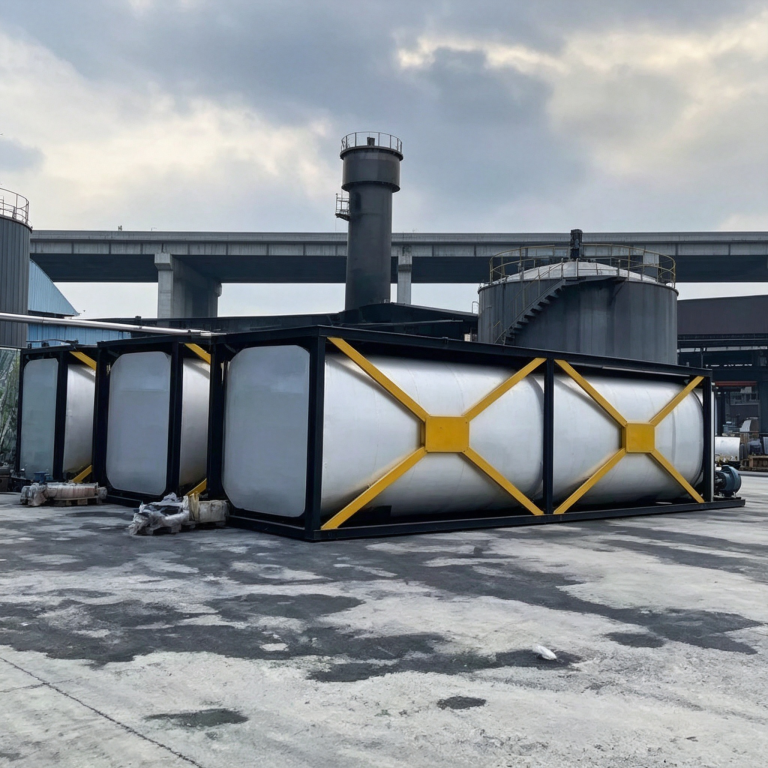
Choose a machine that matches your project scale. Small to mid-size projects of 100,000–300,000 m² a year are usually served by a compact, skid-mounted unit with 3–6 t/h output. Large-scale highway work above 500,000 m² a year needs a fully automatic plant with 8–12 t/h or higher to keep the paving train moving. Buying too small creates bottlenecks; buying too large wastes capital. Match the equipment to your typical project size.
2. Compatibility with your existing mixing plant
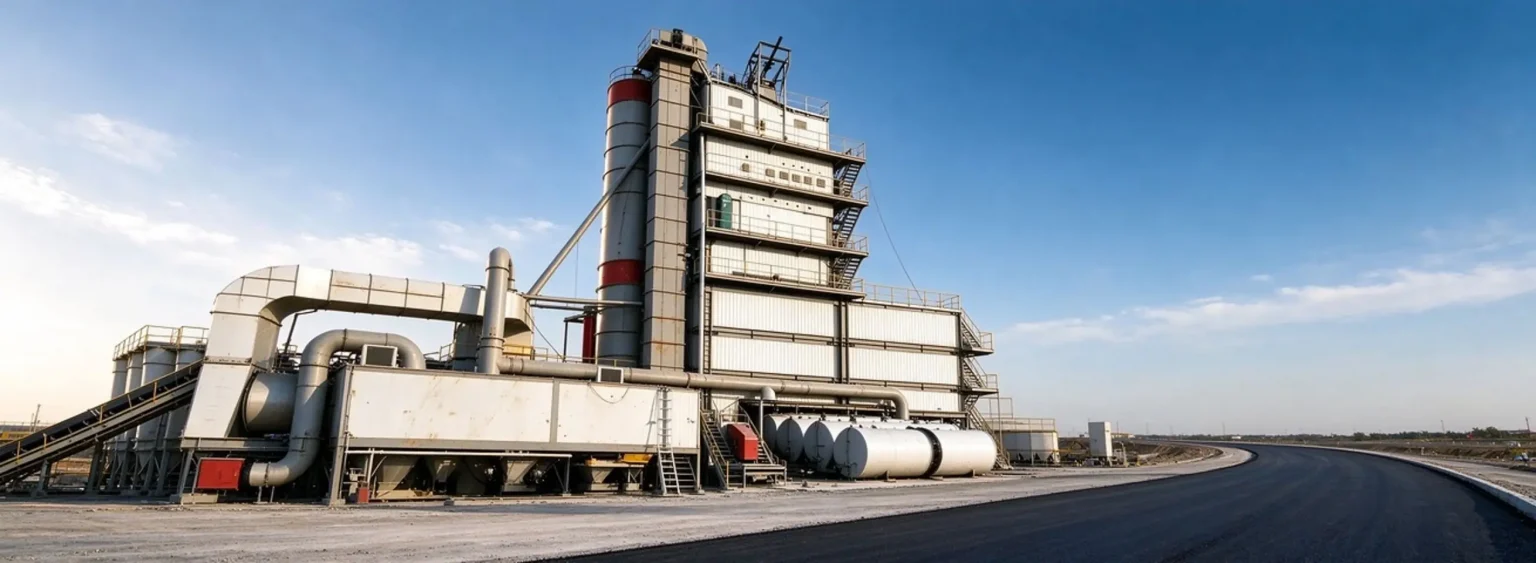
This point is often overlooked. Your foaming system should connect to your existing asphalt mixing plant or run as a standalone unit. Before ordering, check whether the unit can be retrofitted to the plant you already own, whether it interfaces with the plant control system, and whether the dosing system suits your aggregate belt. A system that does not integrate smoothly causes downtime and rework.
3. Automation and control
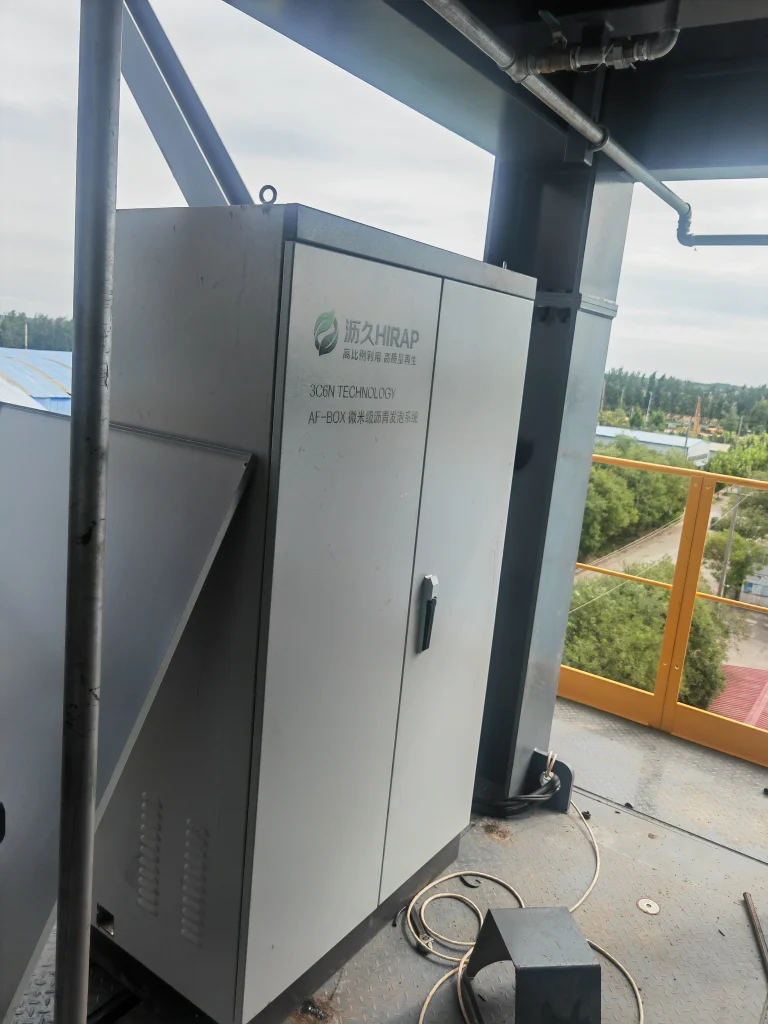
Modern foaming plants use PLC control with touchscreen operation. Look for automatic water-to-bitumen ratio adjustment, real-time foam parameter monitoring, data logging for quality control, and easy calibration between shifts. Good automation reduces operator dependency and keeps batch-to-batch quality consistent.
4. Bitumen temperature and heating system
Foaming works best when bitumen is held at a precise temperature, typically 160–175 °C. Check whether the plant uses thermal-oil heating, which is more even and safer, or electric or gas heating, which costs less but is less uniform. A stable heating system prevents the temperature fluctuations that ruin foam quality.
5. After-sales support and spare parts
Foaming equipment involves nozzles, pumps and metering valves that wear over time. Before you buy, confirm whether the supplier provides on-site installation and operator training, whether spare parts are readily available and affordable, what the typical response time is for technical support, and whether there is a service partner in your region. For overseas buyers this matters as much as the machine price.
Typical Technical Parameters to Compare
When you request quotes, compare at least these specifications side by side:
| Parameter | What to check |
|---|---|
| Output capacity | t/h, matches your project scale |
| Expansion ratio | ≥ 10:1 recommended |
| Half-life | ≥ 8 seconds recommended |
| Bitumen tank capacity | Enough for continuous operation |
| Heating method | Thermal oil preferred |
| Control system | PLC with touchscreen |
| Dimensions / weight | Fits your transport and site layout |
| Power supply | Matches your country’s voltage |
How to Read a Foaming Unit’s Test Data Before You Buy
Two figures decide whether a foaming unit will do the job: expansion ratio and half-life. Ask for both under a stated bitumen grade and water ratio, not as a best-case number. A practical benchmark is an expansion ratio well above the common ≥8 times threshold and a half-life of at least 8 seconds, measured on the base bitumen you actually use.
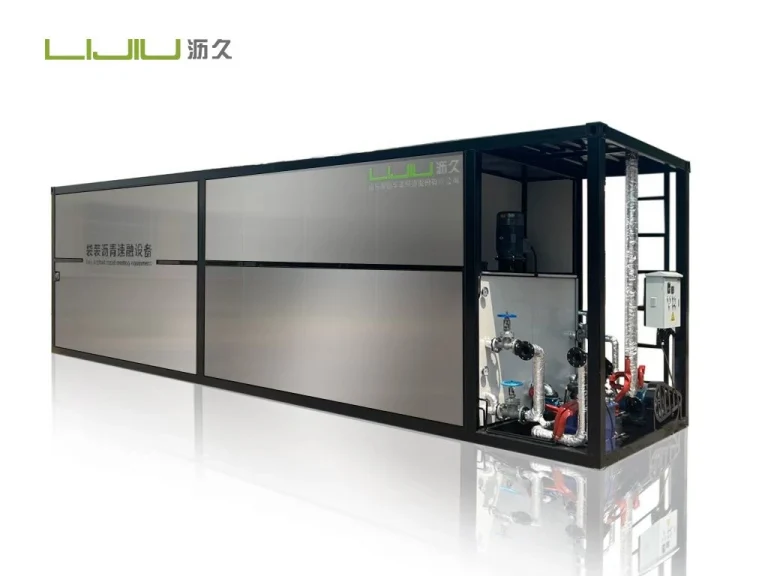
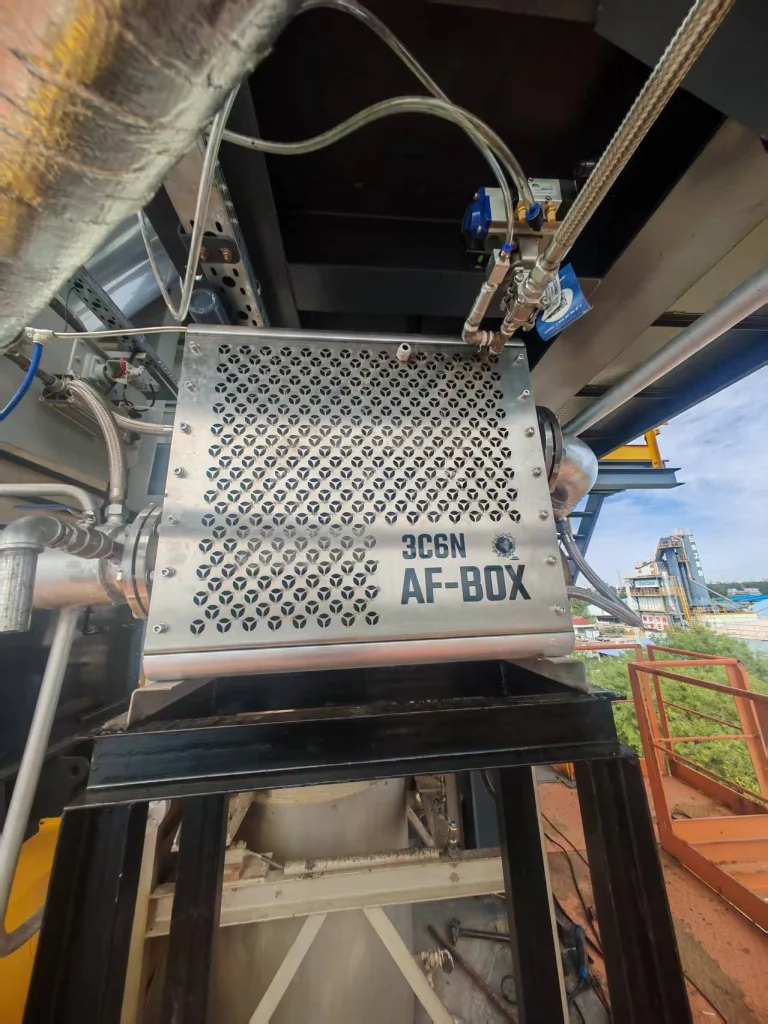
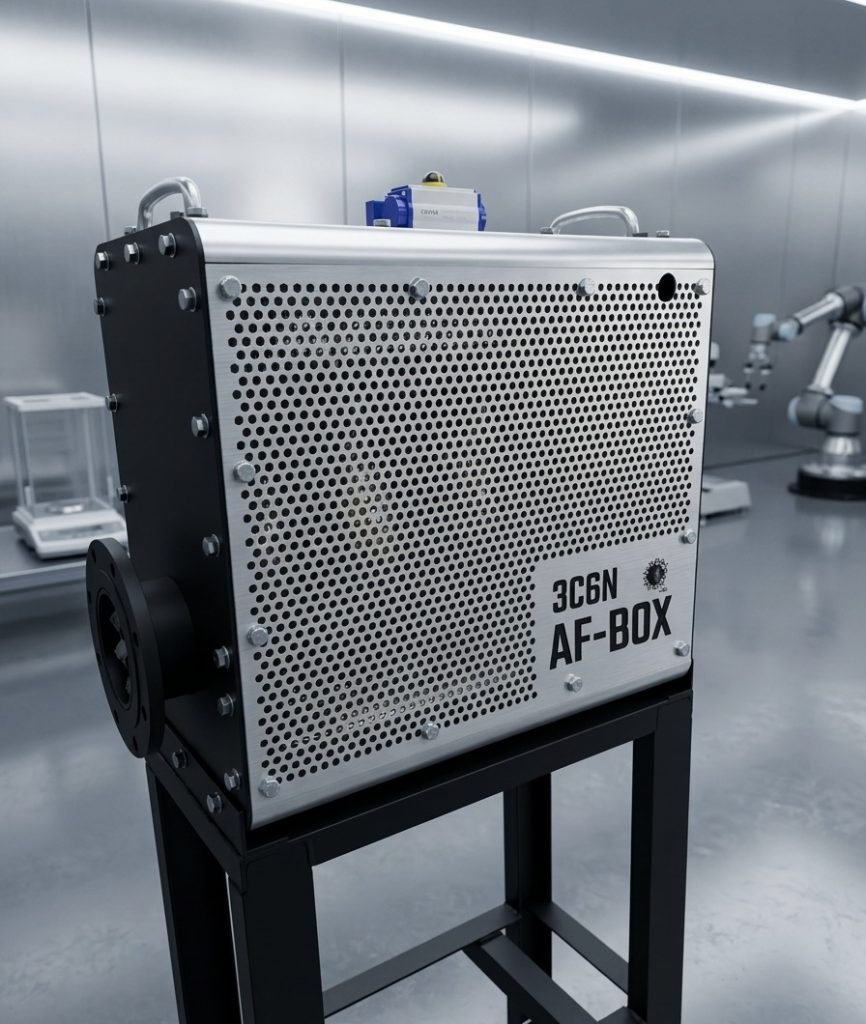
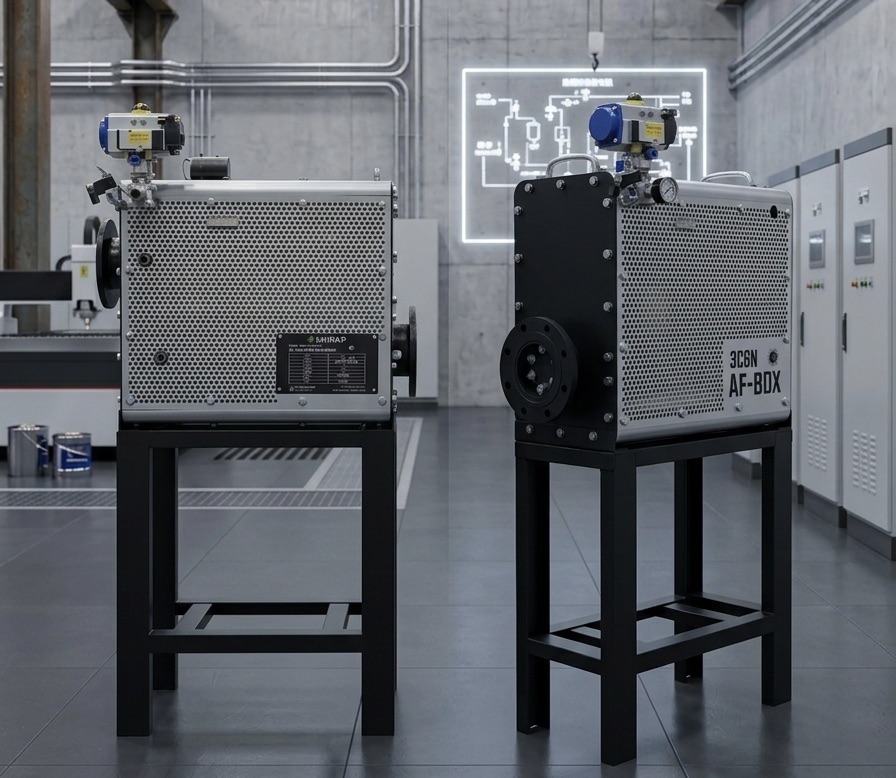
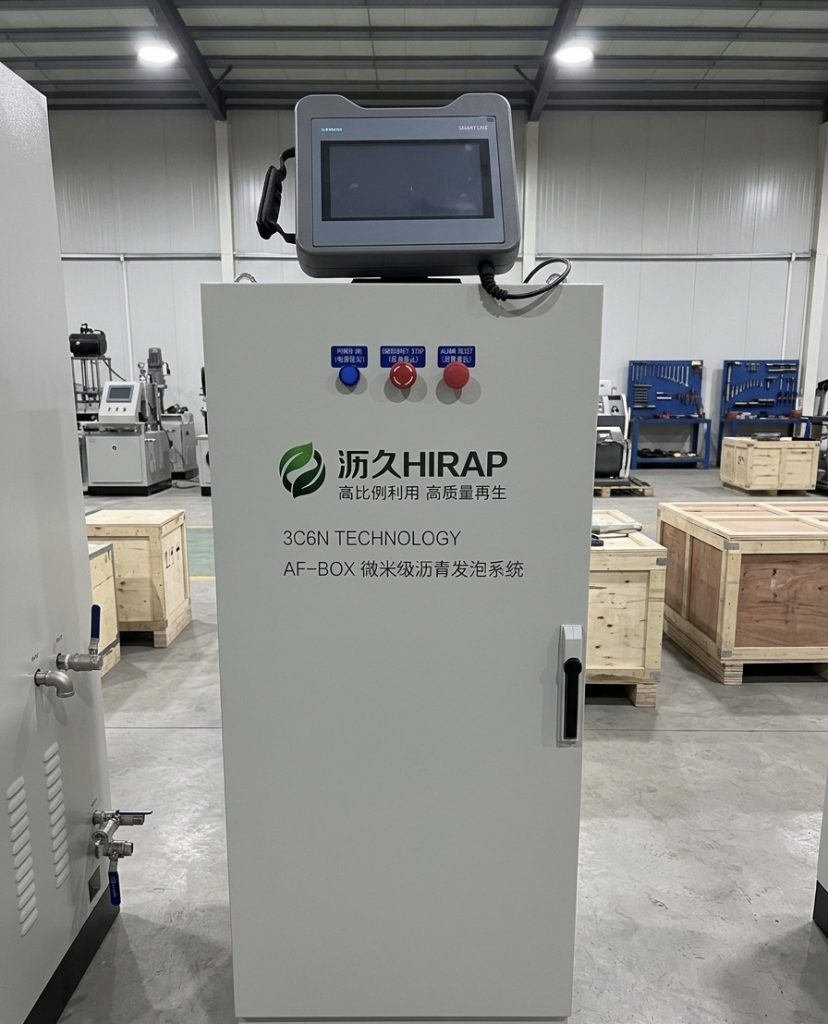
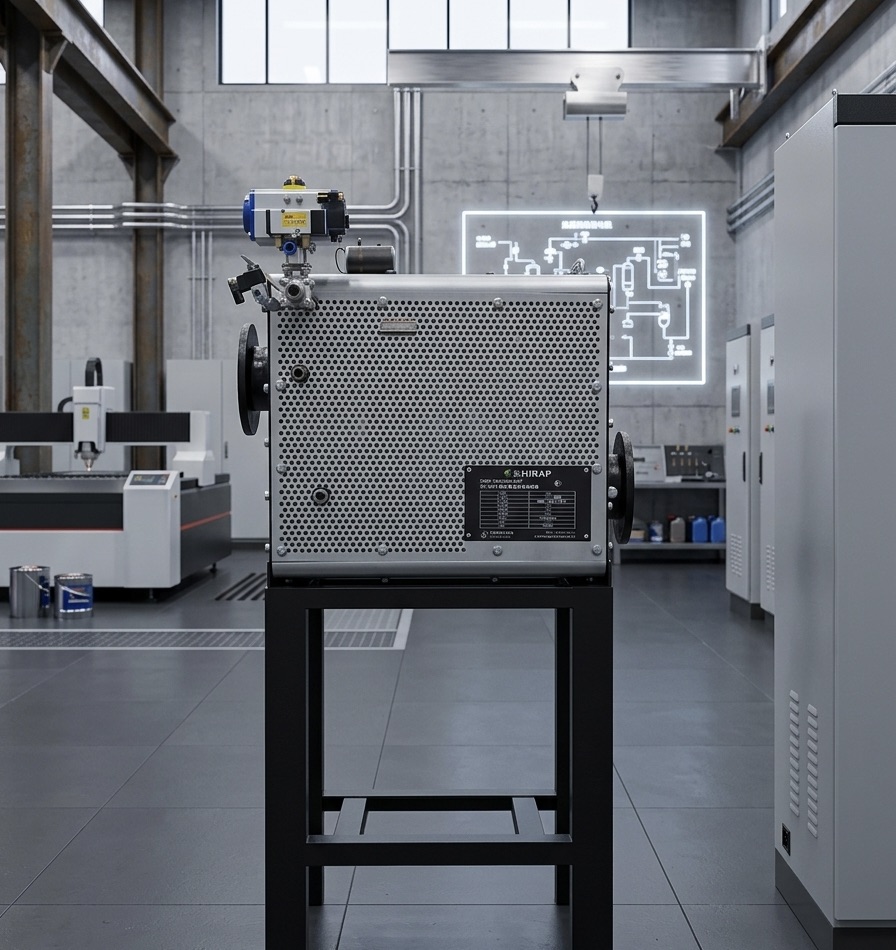
Then ask how the unit handles the water. A system with staged or multi-chamber injection generally produces a narrower bubble size distribution than a single-nozzle arrangement, and a narrower distribution is what gives consistent coating on high-RAP aggregate. Finally, confirm whether the control package logs expansion and half-life in real time, because a reading you can watch is a reading you can manage. For reference, the AF-BOX 3C6N micron-level asphalt foaming system measures 20 times expansion and an 11-second half-life on 70# base bitumen at 155 °C with a 2% water ratio.
Why Choose LIJIU Asphalt Foaming Equipment?
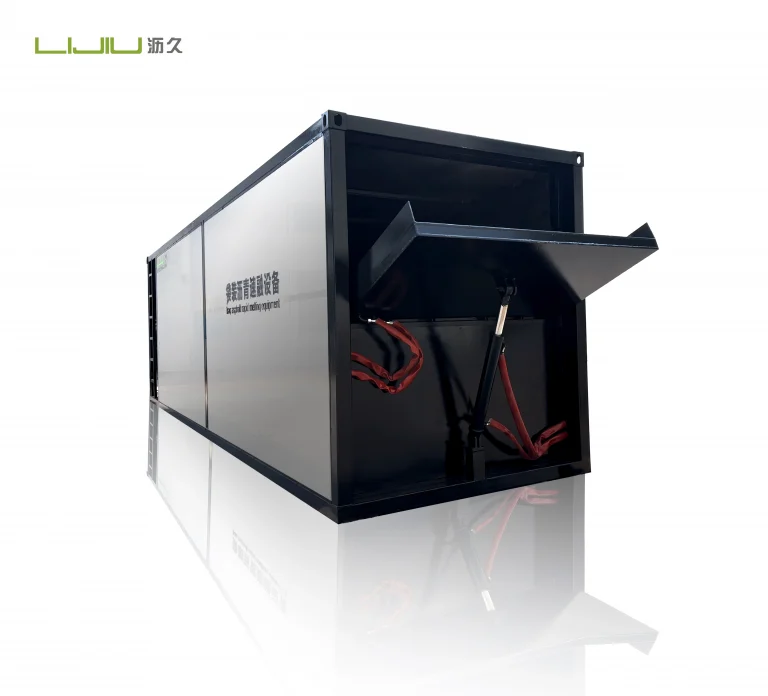
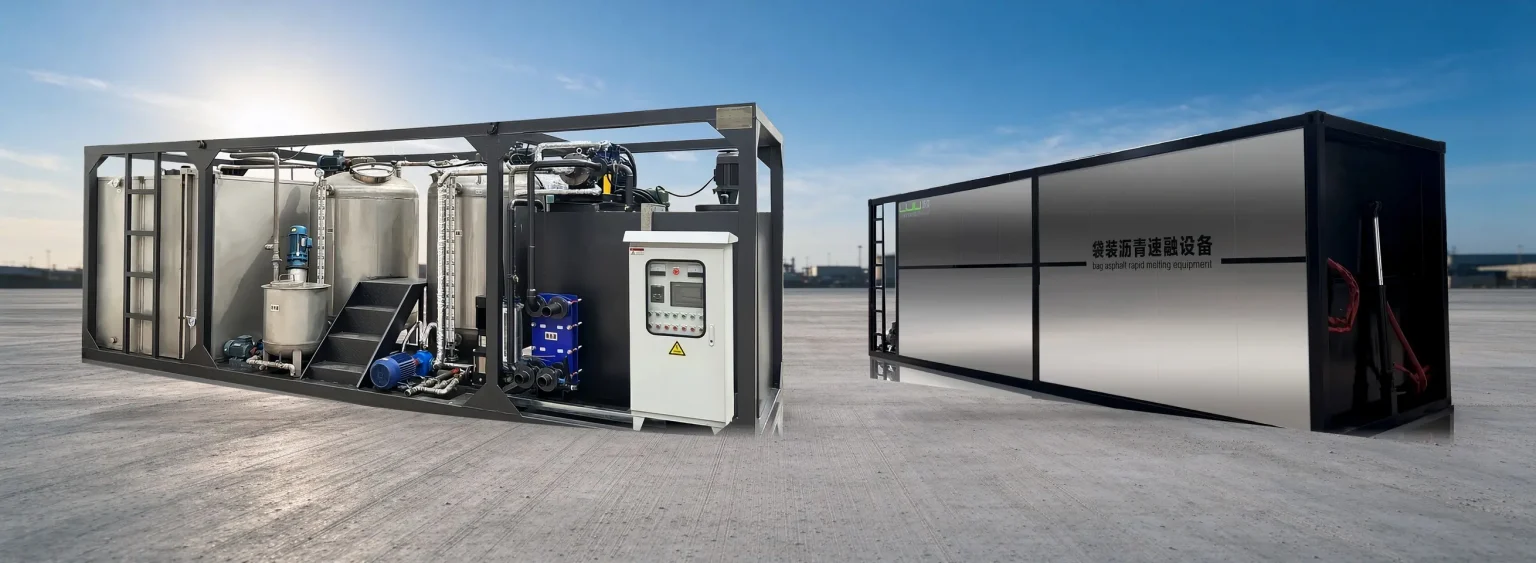
At LIJIU, our micron-level asphalt foaming system is designed to integrate seamlessly with asphalt mixing plants. The key advantages are stable foam quality with a consistent expansion ratio and half-life; retrofit-friendly mounting that connects to most existing plants; fully automatic PLC control with easy calibration; thermal-oil heating for precise temperature control; and factory-direct pricing with global after-sales support. We also supply matching asphalt rejuvenator and RAP recycling solutions, so you can build a complete cold-recycling setup from one reliable source.
Final Checklist Before You Buy
- Define your annual project volume and required output.
- List the technical parameters that matter most to your specification.
- Ask suppliers for foam test data — expansion ratio and half-life.
- Confirm compatibility with your existing plant.
- Compare total cost: price, shipping, spare parts, training and warranty, not just the unit price.
- Request a video factory tour or on-site demonstration if possible.
The right foaming equipment pays for itself through lower material costs, less RAP landfill and faster project delivery. Choose carefully, and your cold-recycling business will run smoothly for years.
References
Independent background on the practices described on this page is available from the Federal Highway Administration asphalt pavement recycling programme and from the Asphalt Institute. Both are non-commercial industry references and neither is affiliated with LIJIU.
Related Equipment and Guides
Reference Images
Standards and references
Specifications on this page follow Federal Highway Administration — Asphalt Pavement Recycling. Ask us for the full test report when you request a quote.