

AF-BOX Foaming Upgrade at Henan Haoyu Mixing Plant
Case notes
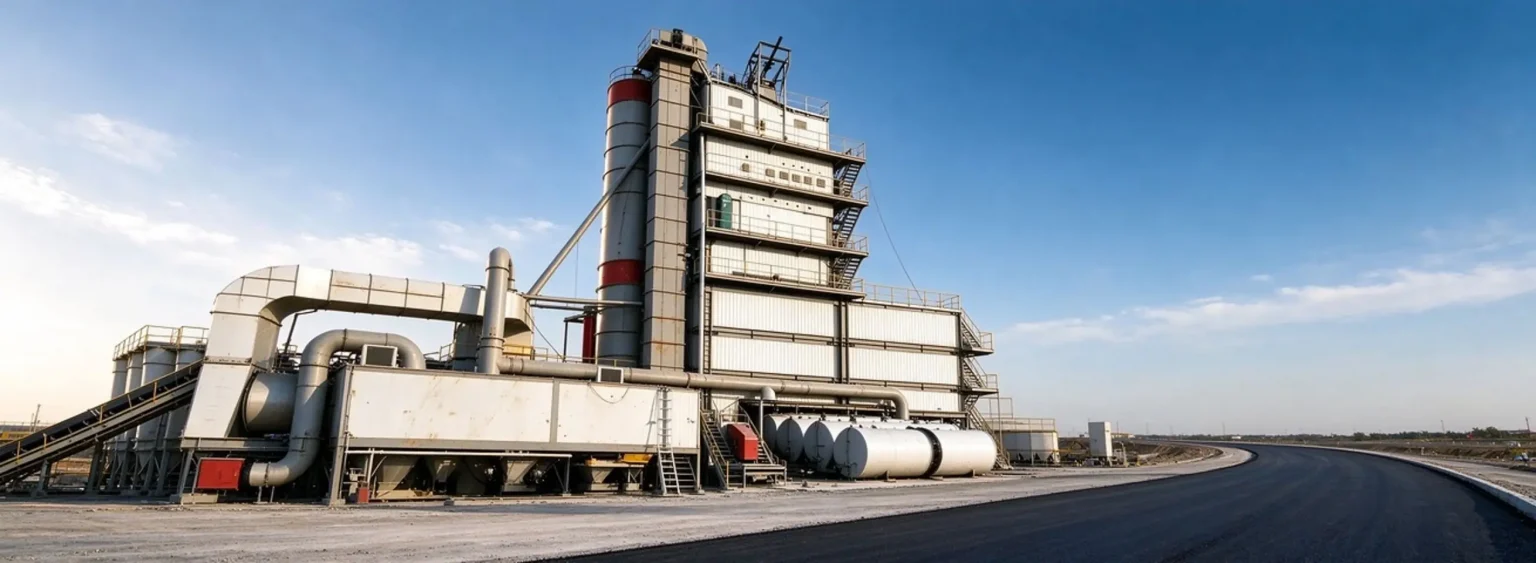
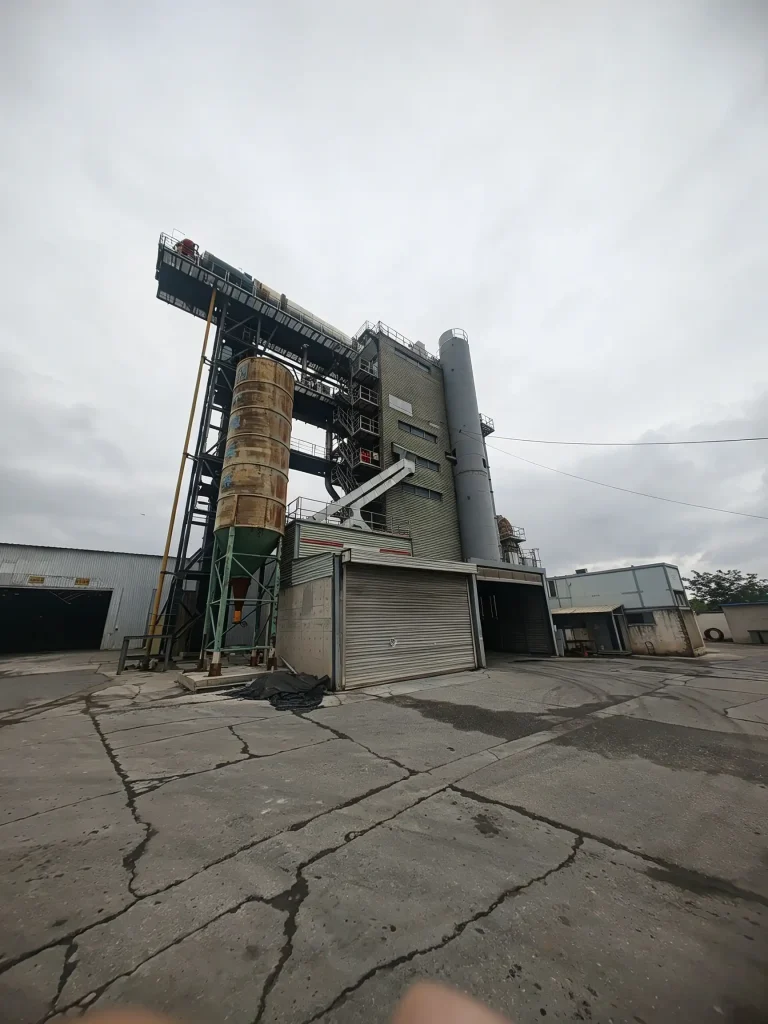
Henan Haoyu Construction Engineering is a local engineering enterprise specialising in road infrastructure construction and asphalt mixture supply. Its asphalt mixing plant had encountered common industry pain points while undertaking high-proportion hot-recycling pavement projects. The retrofit described below centres on the AF-BOX micron foaming unit. Site teams use the AF-BOX micron foaming unit’s half-life and expansion data to tune water dosage before each shift.
The Challenge: High-Proportion RAP
When reclaimed asphalt pavement (RAP) content exceeds 30%, problems such as uneven coating of old aggregates — the speckled mixture that operators recognise on sight — high brittleness of aged asphalt, and segregation caused by fluctuations in mixture gradation tend to occur. These issues not only limit the upper limit of reclaimed material content but also impair the pavement performance and production stability of the finished mixture.
The root cause is that aged RAP binder is stiff and does not soften and coat the aggregate in the short time available inside a conventional mixer. Adding more fresh bitumen helps the grading but raises cost and can make the mix tender. The plant needed a way to make the aged binder flow at lower temperature without changing the host mixing plant itself.
Why Foaming, and Why the Host Plant Was Not Modified
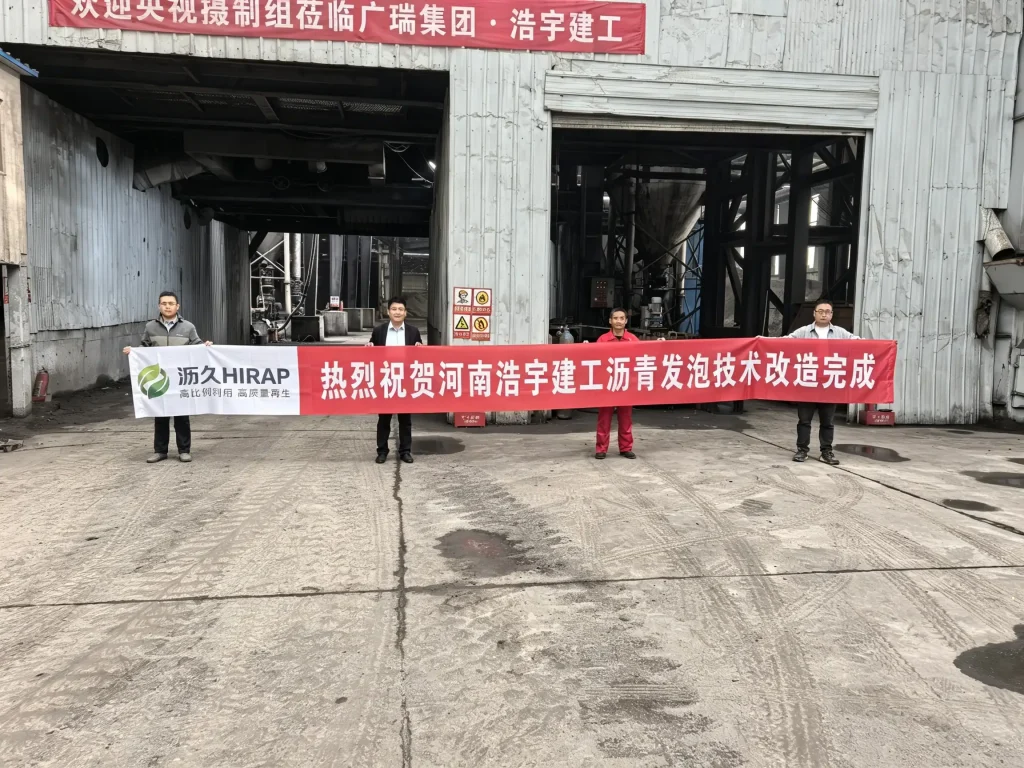
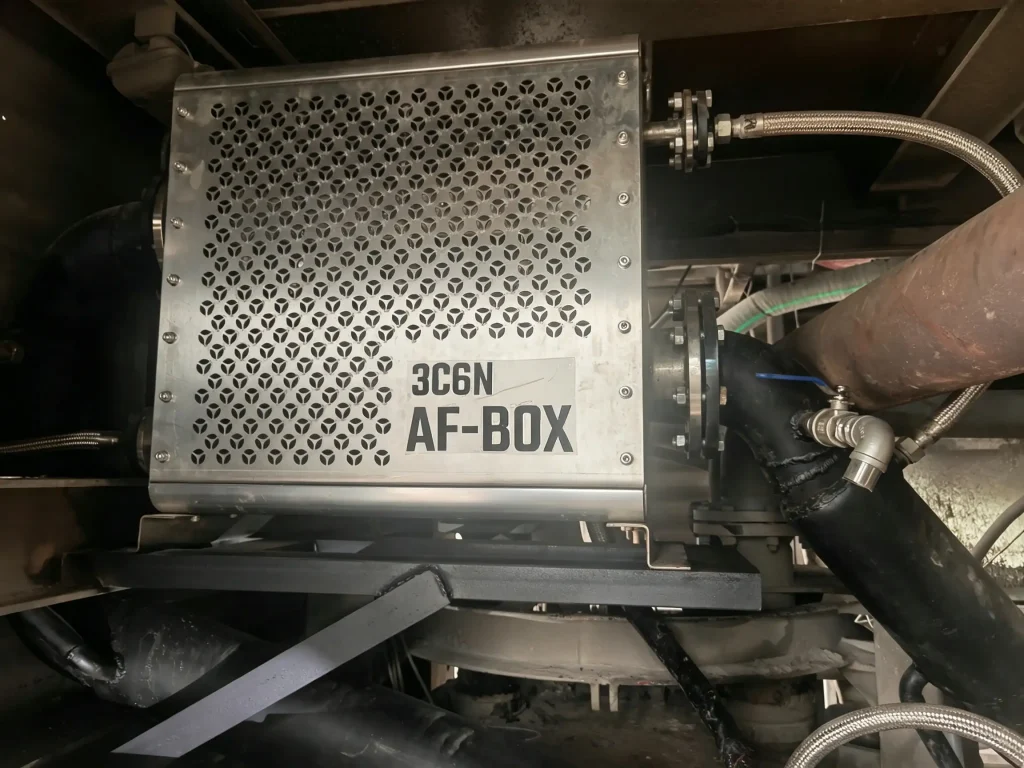
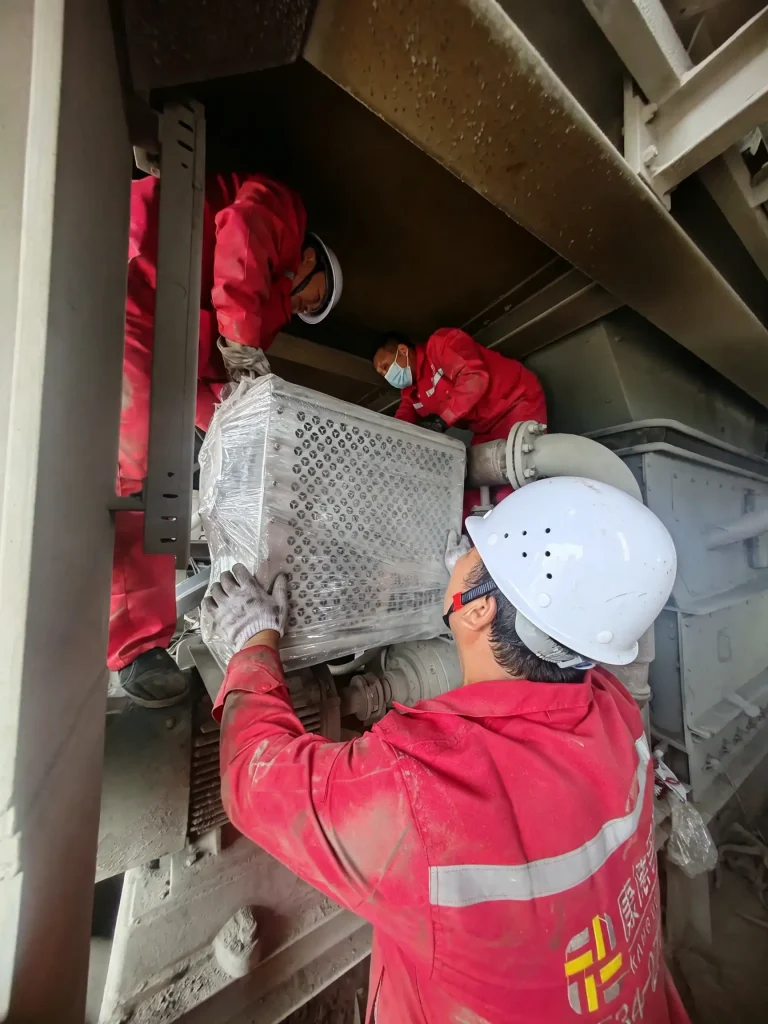
To break through production bottlenecks and meet the requirements of low-carbon construction, Henan Haoyu Construction Engineering cooperated with the LIJIU HIRAP technical team to carry out a special modification of the foaming technology for the asphalt mixing system at the plant, introducing the AF-BOX micron-level asphalt foaming system.
Foaming was chosen because it lowers the effective viscosity of the binder without adding a chemical additive that would have to be stored and dosed separately. A controlled quantity of water is injected into hot bitumen and flashes to steam, so the binder expands and covers the RAP aggregate within the short mixing window. The retrofit was arranged as a skid-mounted unit rather than a rebuild of the plant, which kept the existing drum, screen and mixer untouched and shortened the shutdown to the installation and tie-in period.
What Changed After the AF-BOX Micron Foaming Unit Retrofit
After the modification, the mixing plant can stably produce high-proportion hot recycled asphalt mixtures, achieving remarkable improvements in product quality, production efficiency and cost control. It has built solid production capacity and technical support for undertaking more municipal trunk road and highway maintenance recycling projects.
- Quality: the speckled mixture disappeared as the foamed binder coated the RAP aggregate evenly, and gradation became more stable from batch to batch.
- Efficiency: the plant no longer had to run long extra mixing cycles to force the aged binder to disperse.
- Cost: less fresh bitumen was needed for the same target grade, and more reclaimed material could be used in each tonne of mix.
- Capability: the plant gained a documented production route for municipal trunk road and highway maintenance recycling work.
Commissioning and Operator Training
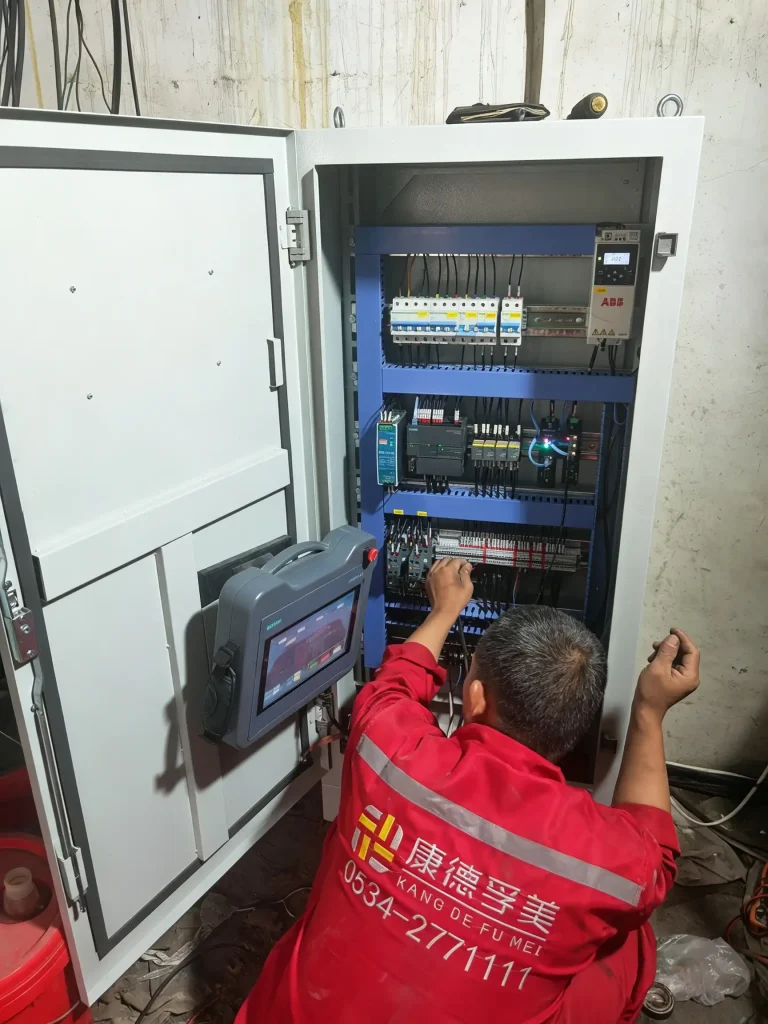
After the foaming unit was commissioned and trial runs completed, the plant team received on-site training covering daily nozzle checks, water dosing adjustment and foam-quality inspection. The supplier also provided a first-year wear-parts list and remote technical support, so routine maintenance can follow the manufacturer’s schedule with local stock.
The commissioning sequence was deliberate: pressure-test the water circuit, verify the dosing calibration against a measured volume, bring the bitumen circuit to working temperature, and only then produce the first foamed mixture. The trial produced a written record of expansion ratio and half-life at the actual working temperature, which became the baseline for every later comparison.
Maintenance Handover
The foaming skid is now covered by the plant’s normal maintenance calendar, and the supplier keeps a technical file for the unit so later questions about water quality, nozzle wear or operating settings can be answered from records. Daily practice centres on nozzle condition and water dosing, because those two variables decide foam quality more than any other setting on the machine.
Why Foaming Helps High-RAP Mixes
In a conventional hot-recycling mix, the aged binder on the RAP aggregate must be softened by heat and by the fresh bitumen added at the mixer. Increasing the RAP proportion shortens the effective mixing window, and beyond roughly 30% the aged binder no longer disperses fully. The visible result is aggregate that carries no binder film — the speckled mixture the plant team had been fighting — and the invisible result is a mixture whose grading and stiffness vary from batch to batch.
Foaming addresses the problem at the binder rather than at the aggregate. A small, precisely metered quantity of water is injected into hot bitumen and flashes instantly to steam, expanding the binder and lowering its effective viscosity for the few seconds the mixer needs. Because the foamed binder spreads further with the same mass, it reaches the RAP aggregate that ordinary mixing leaves dry, and the fresh-binder demand for a given target grade falls accordingly.
What Was Measured at Commissioning
Two figures were recorded on site and now serve as the plant’s operating reference: the expansion ratio, which describes how far the binder spreads, and the half-life, which describes how long the foam remains workable inside the mixer. Both were measured on the base bitumen actually in use at the plant, at the working temperature and the water ratio used in normal production, rather than on a laboratory sample. Measuring them on the plant’s own material is what makes them useful later, because every subsequent reading can be compared with a like-for-like baseline.
Alongside the numbers, the operators were trained to judge the foam visually during the trial-mix stage — a dense, creamy texture with fine evenly distributed bubbles indicates a good result, while large bubbles that collapse quickly, or visible black droplets of unfoamed bitumen, indicate that something in the water circuit or the temperature needs attention before mass production begins.
Project Images
Further Reading
For general industry background, see the Asphalt Institute and the Federal Highway Administration asphalt pavement recycling programme. These are independent, non-commercial references and are not connected with LIJIU.
Related Equipment and Guides
Standards and references
Specifications on this page follow Federal Highway Administration — Asphalt Pavement Recycling. Ask us for the full test report when you request a quote.
Related cases
RELATED CASES

Red Colored Asphalt for Ethiopia — 280 t Binder and 140 t Iron Oxide Red Delivered Ex-Works
In mid-October, a full lo...
VIEW CASE
Colored Pavement Supply Project Case: 3,600-Ton Annual Contract in Luoyang, China
This colored pavement sup...
VIEW CASE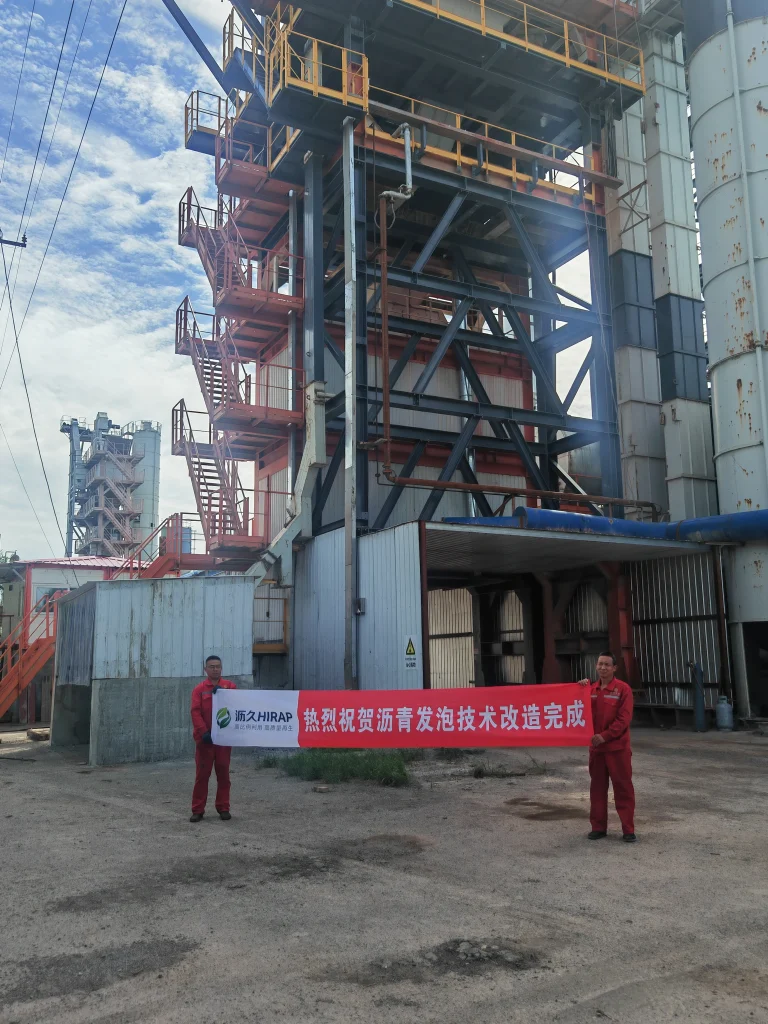
AF-BOX 3C6N Foaming Retrofit at Hengshui Mixing Plant
AF-BOX Foaming Retrofit |...
VIEW CASE