
Looking for an emulsified asphalt plant for sale that will still be producing stable emulsion five years from now? This complete buying guide explains what to check before you purchase an emulsion plant for tack coat, slurry seal or cold-mix production.
Price is only part of the decision. An emulsified asphalt plant for sale at a low first cost can carry higher operating expenses in burner fuel, spare colloid mill rotors and cleaning chemicals. This guide therefore treats total cost per tonne of stable emulsion as the real benchmark, and walks through the tank configuration, pump sizing and control cabinet that most often determine that number. Whether the site produces tack coat for a single corridor or runs a commercial emulsion terminal, the same checks apply: residue control, storage stability, clean water supply and a control system the local electrician can maintain. Use the sections below to shortlist suppliers, compare quotations and verify the two or three figures that matter most before you sign.
Finding the Right Emulsified Asphalt Plant for Sale
Emulsified asphalt equipment (also called a bitumen emulsion plant) mixes hot bitumen, water and an emulsifier under high-shear conditions to produce a stable asphalt emulsion. The resulting liquid can be sprayed directly as prime coat or tack coat, or used in slurry seal, micro-surfacing and cold-mix applications. Compared with hot asphalt, emulsified asphalt is applied at lower temperatures, saves energy, reduces emissions and improves worker safety, which makes it increasingly popular for road maintenance and preventive maintenance programmes.
Why the Colloid Mill Is the Heart of the Plant
The colloid mill is the core component that determines emulsion quality. It shears bitumen into tiny droplets suspended in water. The points worth checking are gap precision, since an adjustable grinding gap is needed for different emulsion grades; rotor and stator material, ideally wear-resistant alloy or stainless steel; throughput, which must match your required output; and particle size, because finer droplets produce a more stable emulsion. A poor-quality colloid mill leads to unstable emulsion, quick separation and frequent maintenance. Never skimp on this component.
Key Factors to Consider When Buying an Emulsified Asphalt Plant
1. Production capacity
Choose output based on your typical jobs. Small-scale maintenance work is served by 3–5 t/h for local tack coat and prime coat supply. Medium contractors producing for slurry seal and micro-surfacing crews generally need 6–10 t/h. Large or commercial producers supplying several project sites need 10–20 t/h or higher for continuous output.
2. Formula flexibility
A reliable plant should handle multiple emulsion types: cationic emulsions such as CSS-1, CSS-1h and CMS-2, anionic emulsions such as SS-1 and SS-1h, and modified emulsions containing SBR or polymer. Ask whether the dosing system can automatically adjust the water, bitumen and emulsifier ratios for different formulas. Quick formula changeover saves time on mixed-grade jobs.
3. Automation and control
Look for a PLC-controlled plant with automatic ratio control for bitumen, water and emulsifier, real-time flow and temperature monitoring, recipe storage for one-click formula recall, and alarm and fault diagnostics. Manual plants are cheaper but inconsistent, and for commercial production the automation pays back quickly.
4. Heating system
Bitumen must be held at 130–160 °C. Thermal-oil heating is recommended because it keeps a uniform temperature, is safer and avoids local overheating; electric or gas direct heating costs less initially but is less precise. Also check whether the water phase tank has heating and stirring so the emulsifier dissolves properly.
5. Modularity and mobility
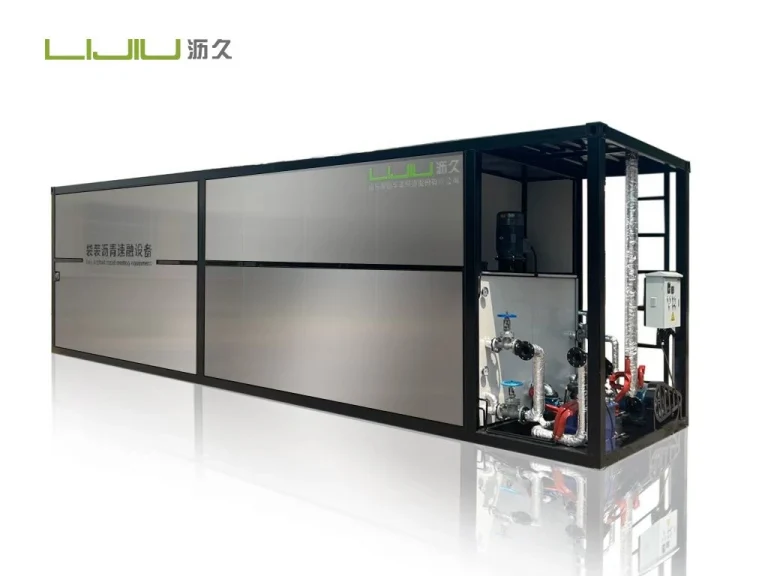
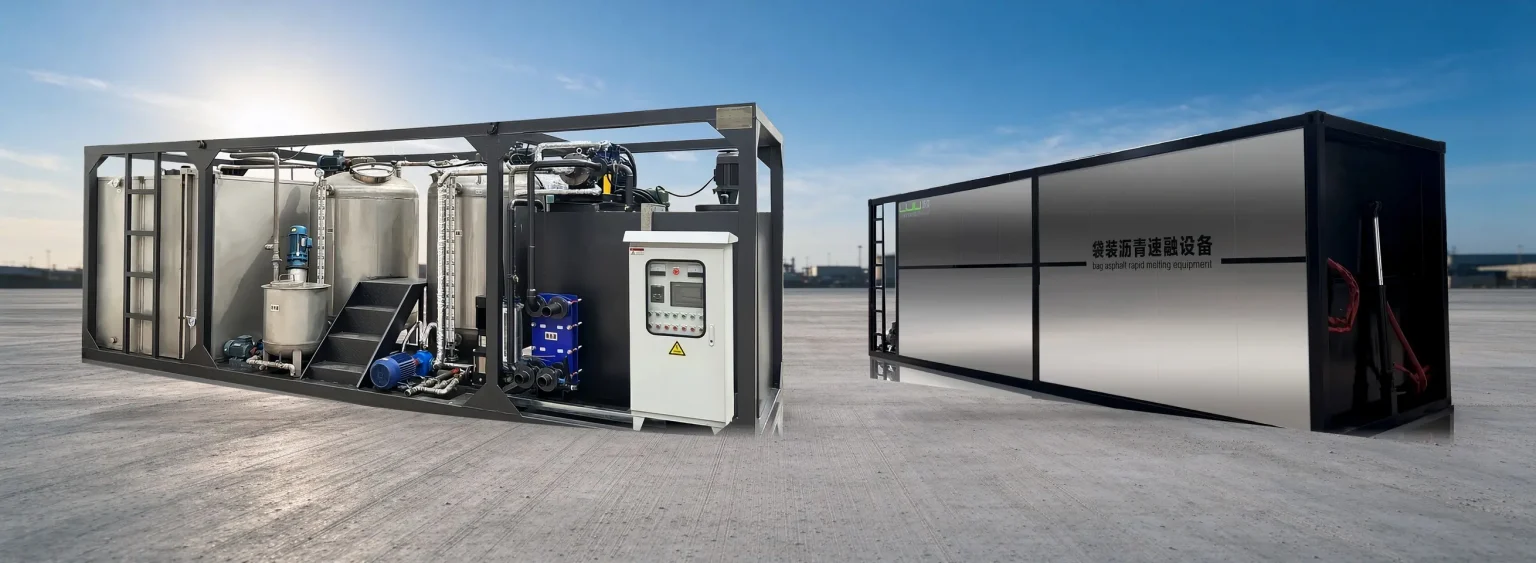
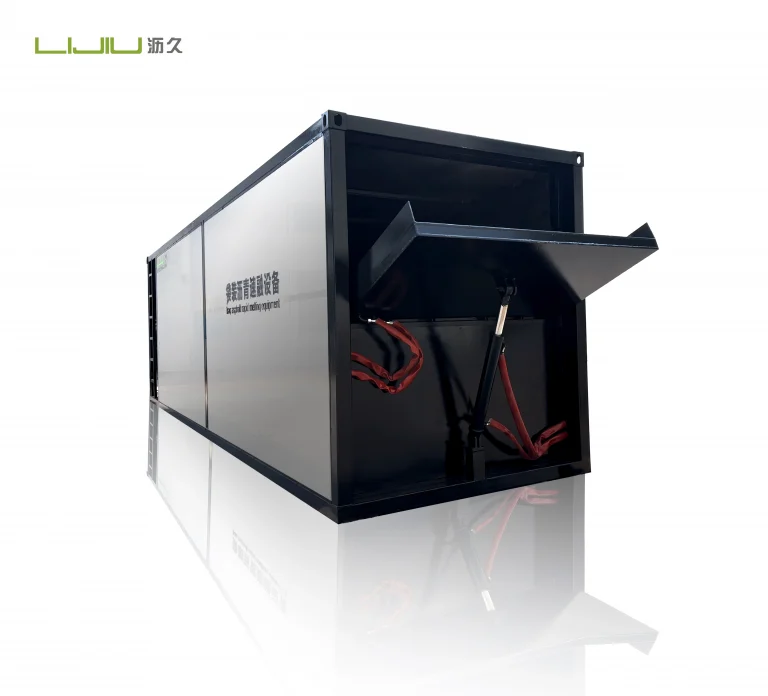
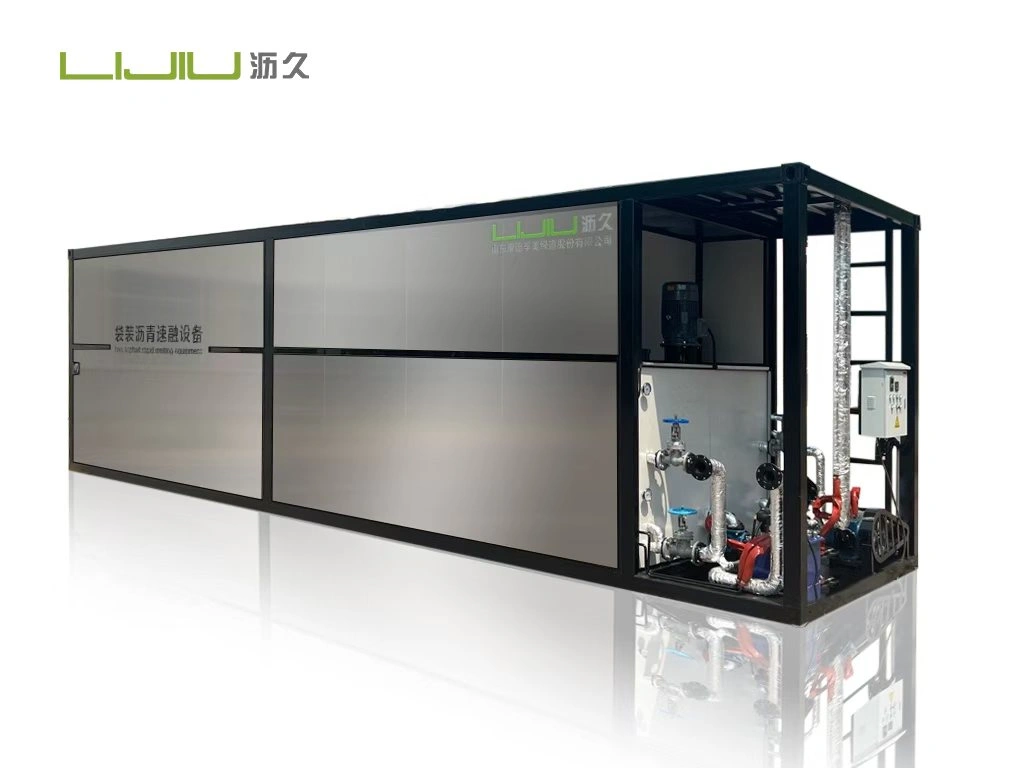
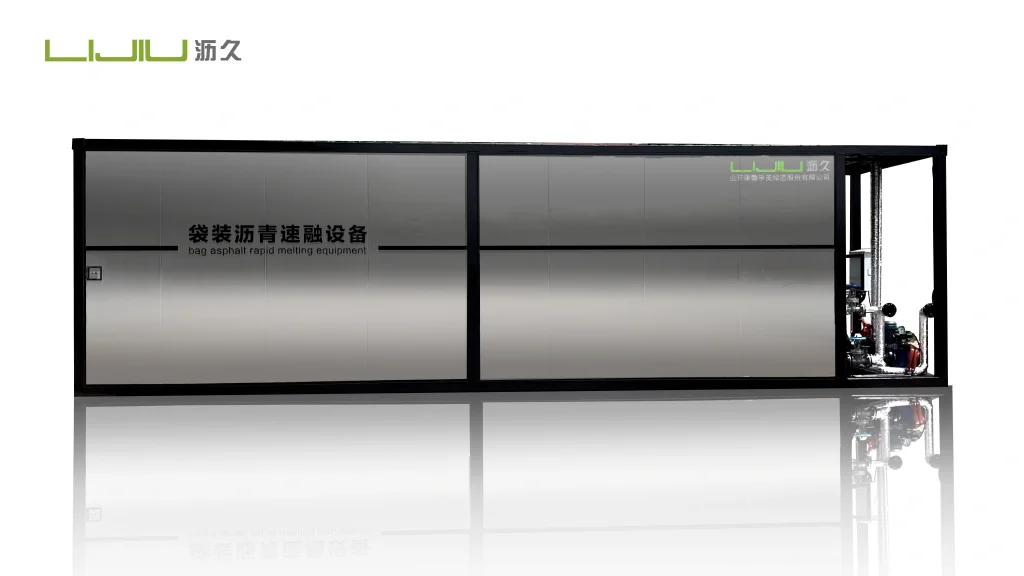
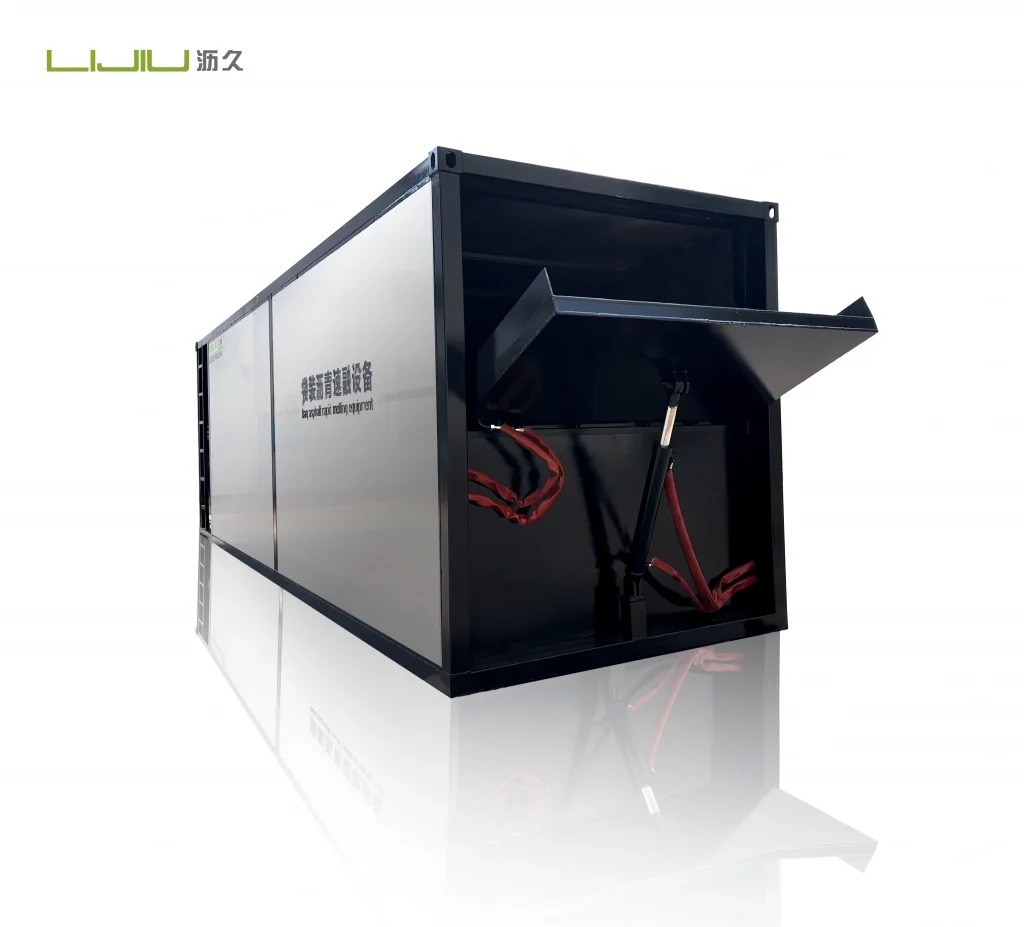
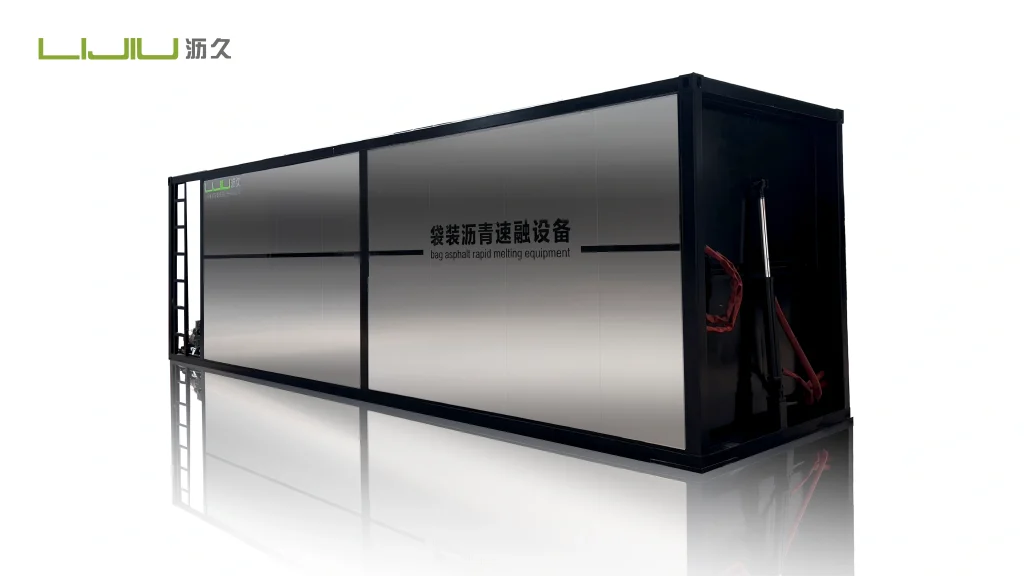
Consider your transport needs. Skid-mounted or stationary units suit a fixed base with high output, containerised or mobile units move easily between project sites, and the choice between semi-continuous and fully continuous operation depends on your volume — batch plants for small jobs, continuous plants for large output.
6. After-sales and spare parts
Before ordering, confirm on-site installation and commissioning support, operator training in English or your local language, availability of wearing parts such as mill gaps, pumps and valves, the warranty period and response time, and whether the supplier offers matching emulsifier formula support.
Typical Specifications to Compare
| Parameter | What to evaluate |
|---|---|
| Output | t/h — match your project volume |
| Colloid mill | gap range, material, RPM |
| Bitumen tank capacity | enough for continuous production |
| Water phase tank | heated and stirred |
| Dosing accuracy | ±1–2% recommended |
| Control system | PLC with recipe storage |
| Heating | thermal oil preferred |
| Power supply | matches local voltage |
Installation, Commissioning and Operator Training
A bitumen emulsion plant is only as good as its commissioning. Before the first commercial batch, the mill gap should be set and recorded, and a trial emulsion should be produced and tested for residue content, viscosity and storage stability. Ask the supplier to walk your operators through ratio changes on at least two emulsion grades, because the recipe that works for a CSS-1 tack coat is not the recipe for a polymer-modified micro-surfacing emulsion.
Plan the utilities before delivery. Emulsion plants normally run on 380–415 V, 50 Hz three-phase supply, and the thermal-oil heater needs a clearly defined fuel or power source. Confirm the required water quality as well, since hard water affects emulsifier performance. For sites that move between projects, a containerised unit saves repeated installation cost, while a fixed skid layout gives more room for storage tanks and easier pipework. If you also produce modified binders, our modified asphalt (SBS) equipment can share the same site infrastructure and thermal-oil loop.
Why Choose LIJIU Emulsified Asphalt Equipment?
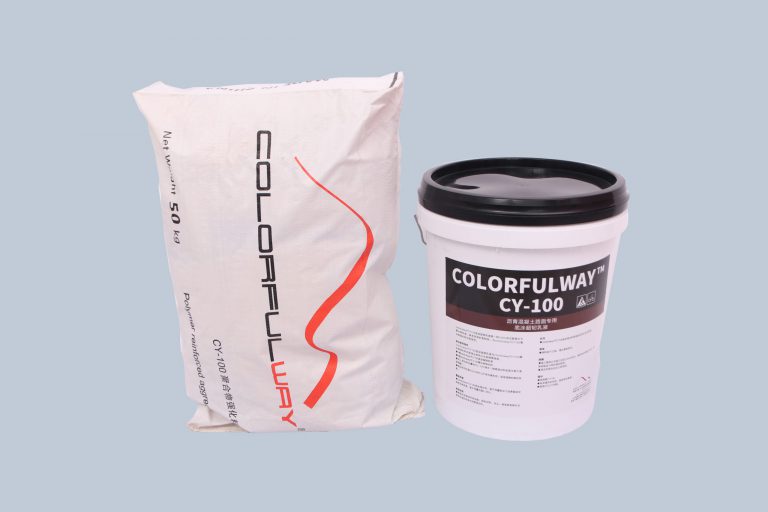
LIJIU emulsified asphalt equipment features variable-frequency stepless control for the water-to-oil ratio, with fast bitumen temperature adjustment by thermal oil, gas or electric heating. The highlights are variable-frequency dosing for precise ratio control, fast temperature adjustment across all three heating options, flexible installation as a fixed or mobile plant according to site conditions, stable emulsion quality with a long shelf life, and factory-direct service covering installation guidance, training and spare parts worldwide. We also supply matching colored asphalt binder, asphalt rejuvenator and crack sealant, giving road contractors a one-stop source for maintenance materials.
Final Checklist
- Estimate your annual emulsion demand and required output.
- List the emulsion grades you need to produce.
- Compare colloid mill quality and dosing accuracy across suppliers.
- Confirm the automation level and formula-changeover time.
- Check the heating method and energy consumption.
- Compare total cost, including shipping, training and spare parts.
- Request a plant video or factory tour before ordering.
The right emulsified asphalt plant will produce stable emulsion year after year, lower your operating cost and help you take on more maintenance projects. Choose based on total value, not just the sticker price.
Further Reading
For general industry background, see the Asphalt Institute and the Federal Highway Administration asphalt pavement recycling programme. These are independent, non-commercial references and are not connected with LIJIU.
Related Equipment and Guides
Reference Images
Standards and references
Specifications on this page follow European Asphalt Pavement Association — Industry standards. Ask us for the full test report when you request a quote.