
Modified asphalt SBS equipment decides the quality of every tonne of polymer-modified bitumen your plant sells. This buying guide focuses on the colloid mill, development tank and temperature control choices that separate a reliable PMB line from one that never quite stabilises.
What Is Modified Asphalt SBS Equipment?
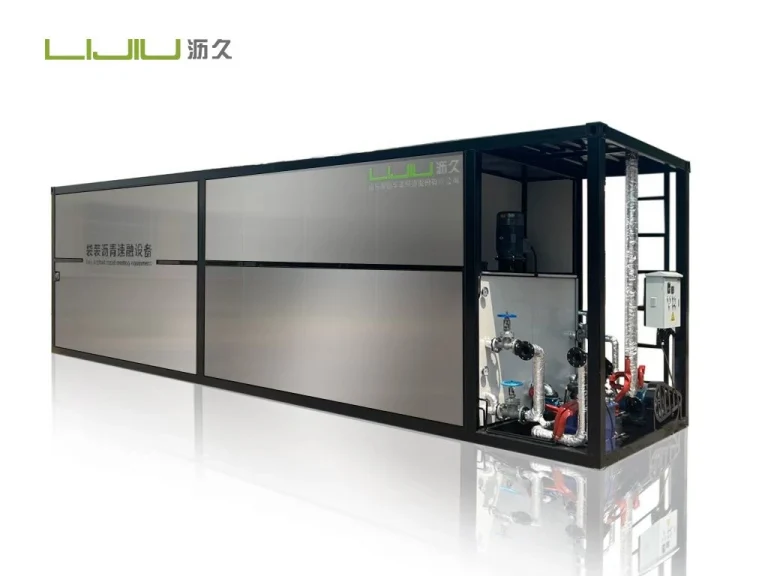
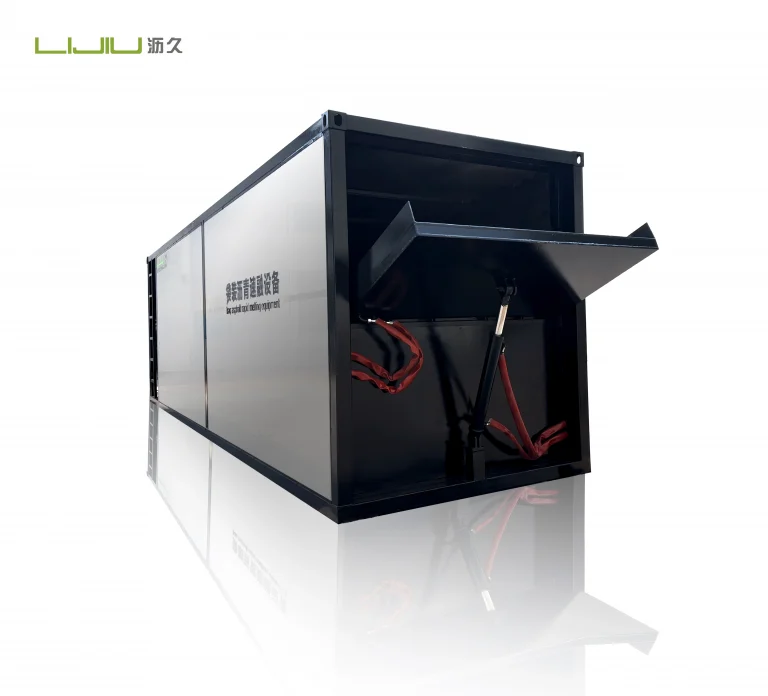
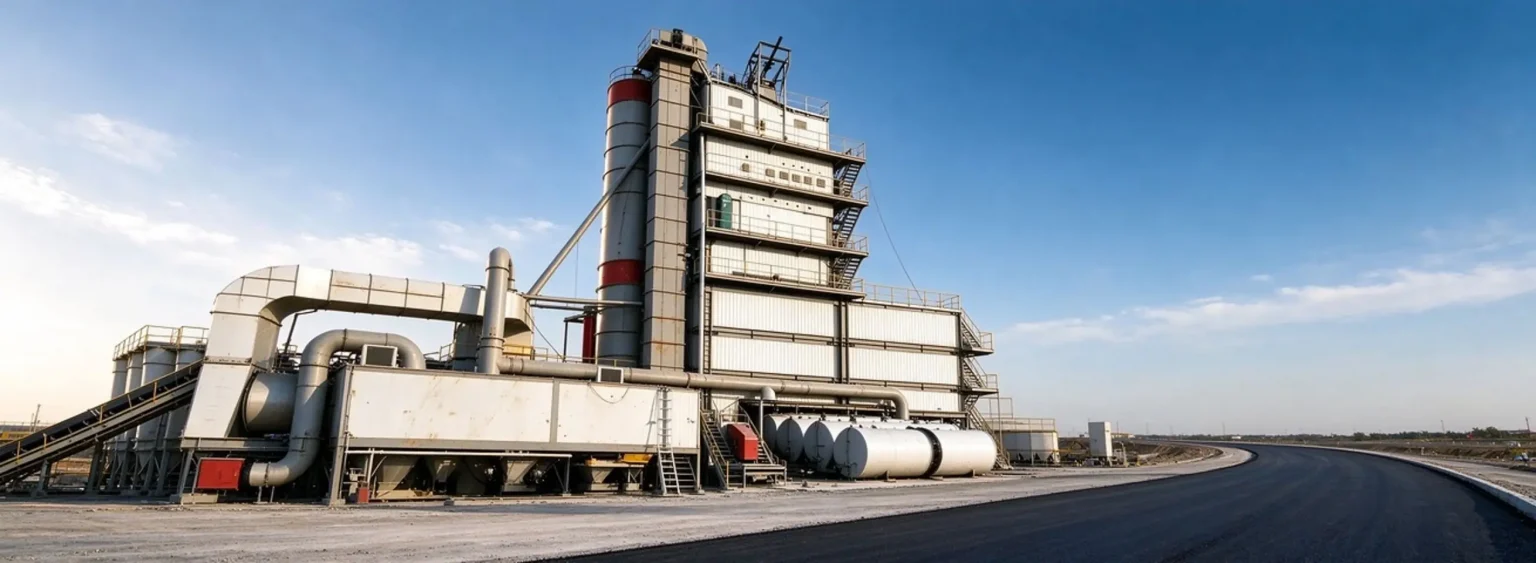
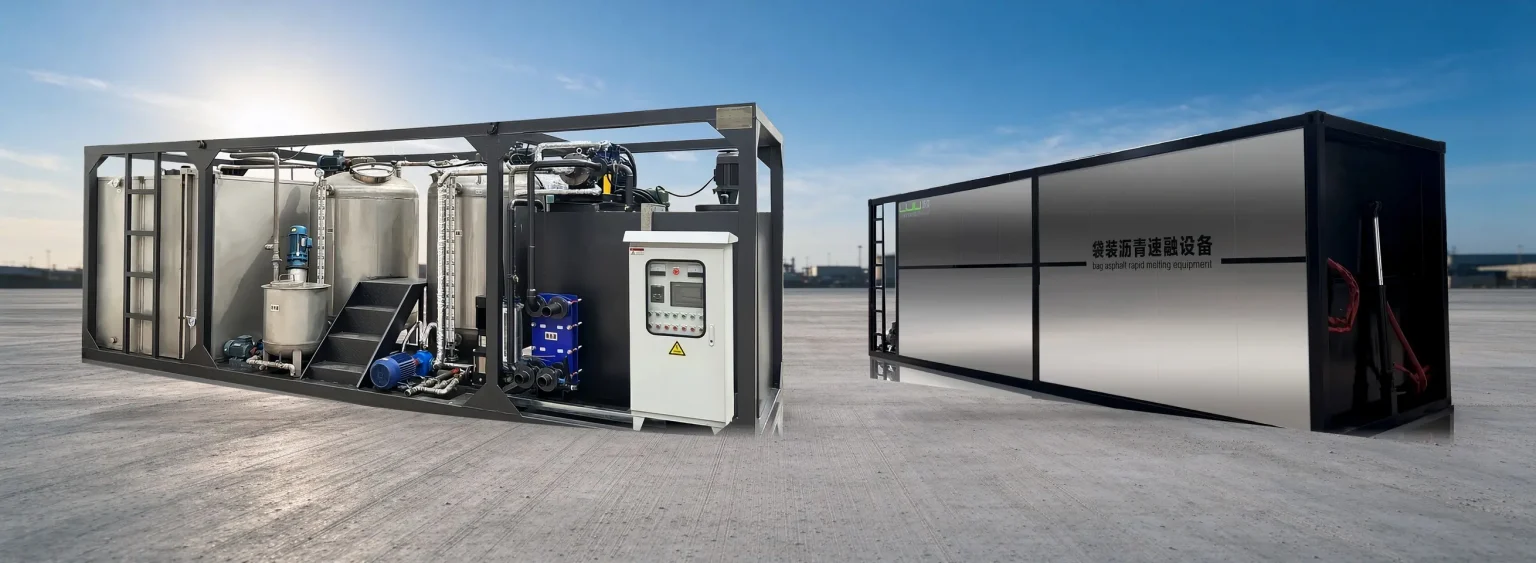
Modified asphalt equipment, also called an SBS modified bitumen or PMB plant, mixes polymer modifiers such as SBS into hot bitumen under high shear, producing polymer-modified bitumen with better elasticity, rutting resistance and temperature stability. It is the right choice for heavy traffic and high-temperature climates. This modified asphalt SBS equipment buying guide is built around three components: the colloid mill, the development tank and the temperature control system.
Continuous or Batch — the First Decision
This is the biggest decision you will make. A continuous plant gives stable output and lower labour, and suits large-scale, steady projects, but needs a higher investment. A batch plant is flexible and easy to change over, and suits multi-grade and small-batch production. Choose based on your project volume and the variety of products you intend to sell.
5 Key Factors to Consider When Buying SBS Equipment
1. Colloid mill quality
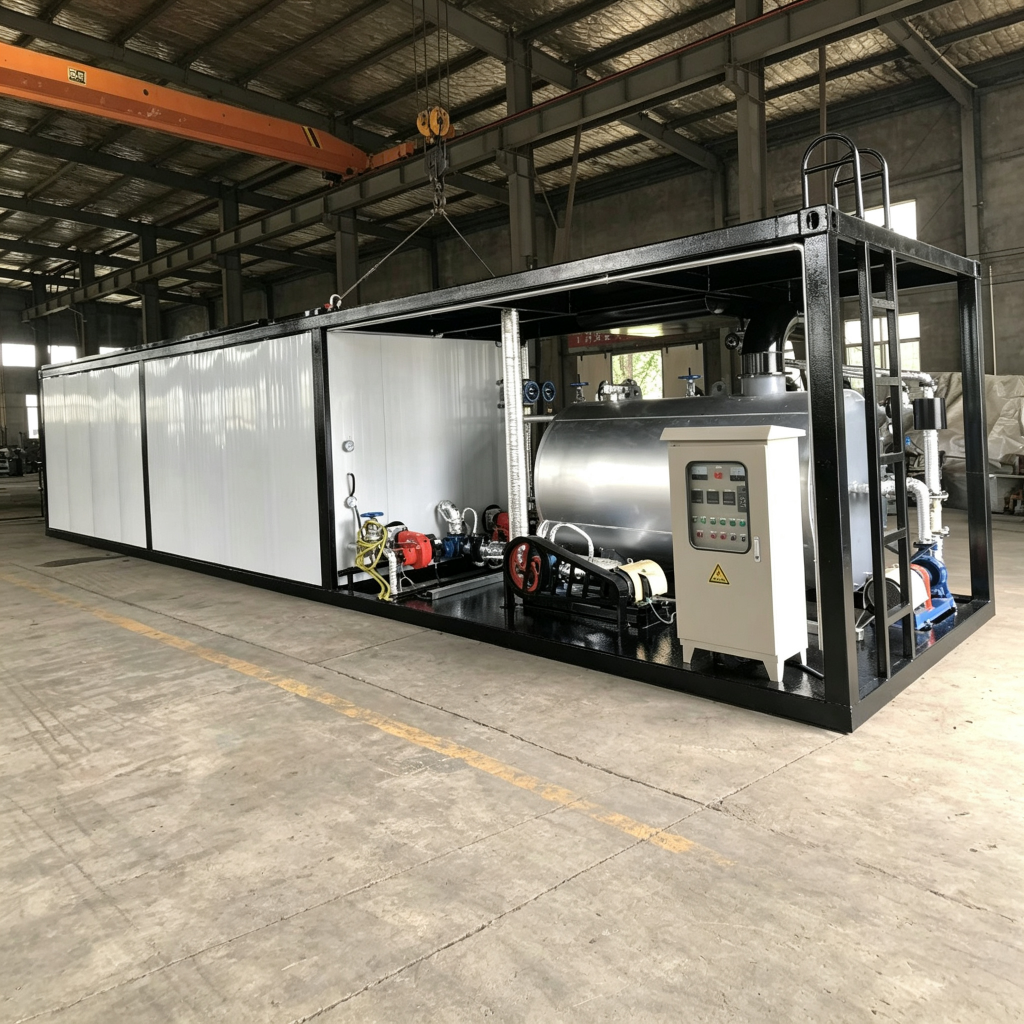
The mill is the core component that shears SBS into fine particles. Check gap precision, wear-resistant material and RPM. A poor mill produces unstable modified bitumen no matter how good the rest of the plant is.
2. Output
- Small or multi-grade producers: 5–10 t/h
- Medium contractors: 10–20 t/h
- Large producers: 20 t/h and above
3. Development tank and storage
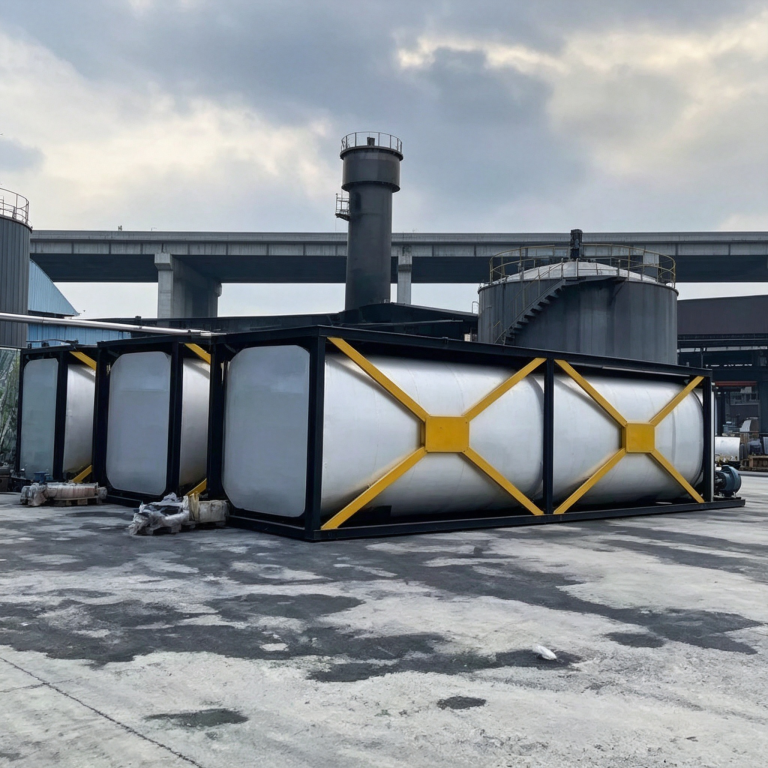
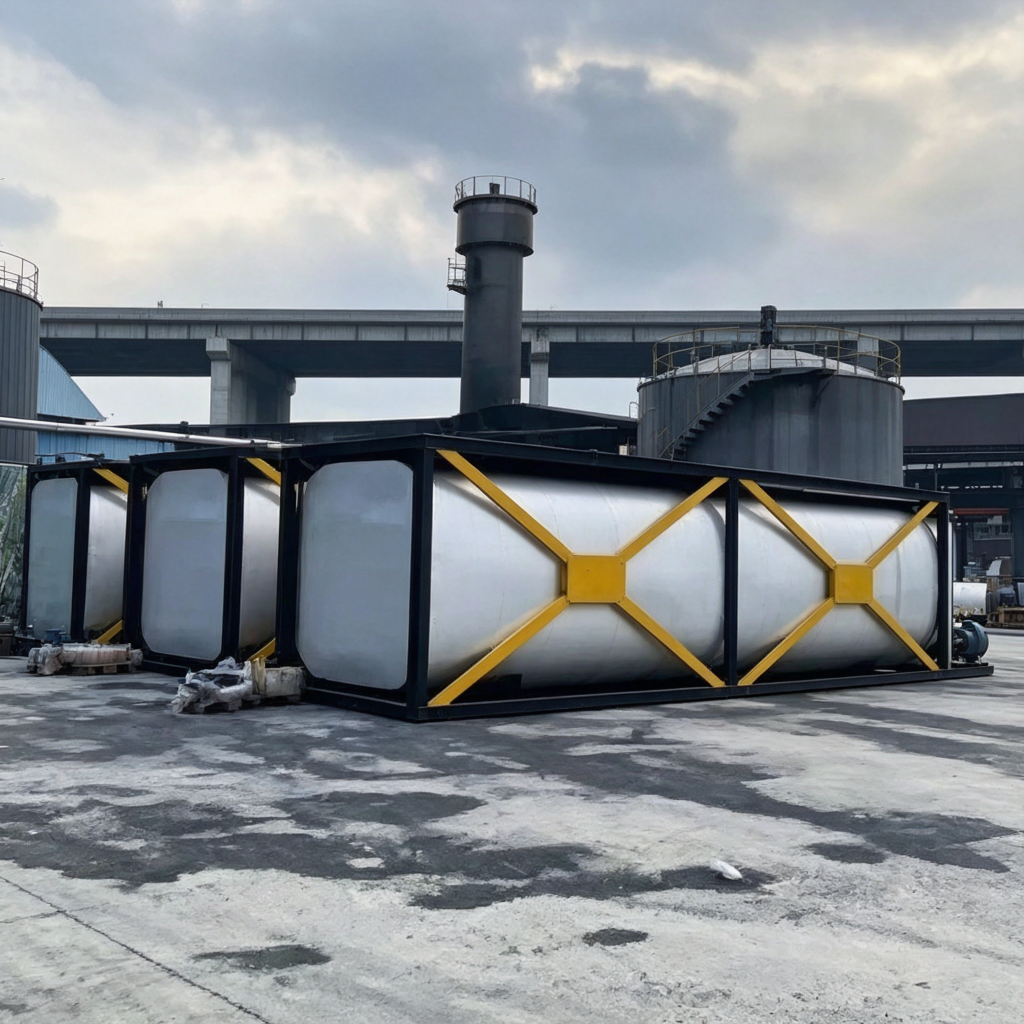
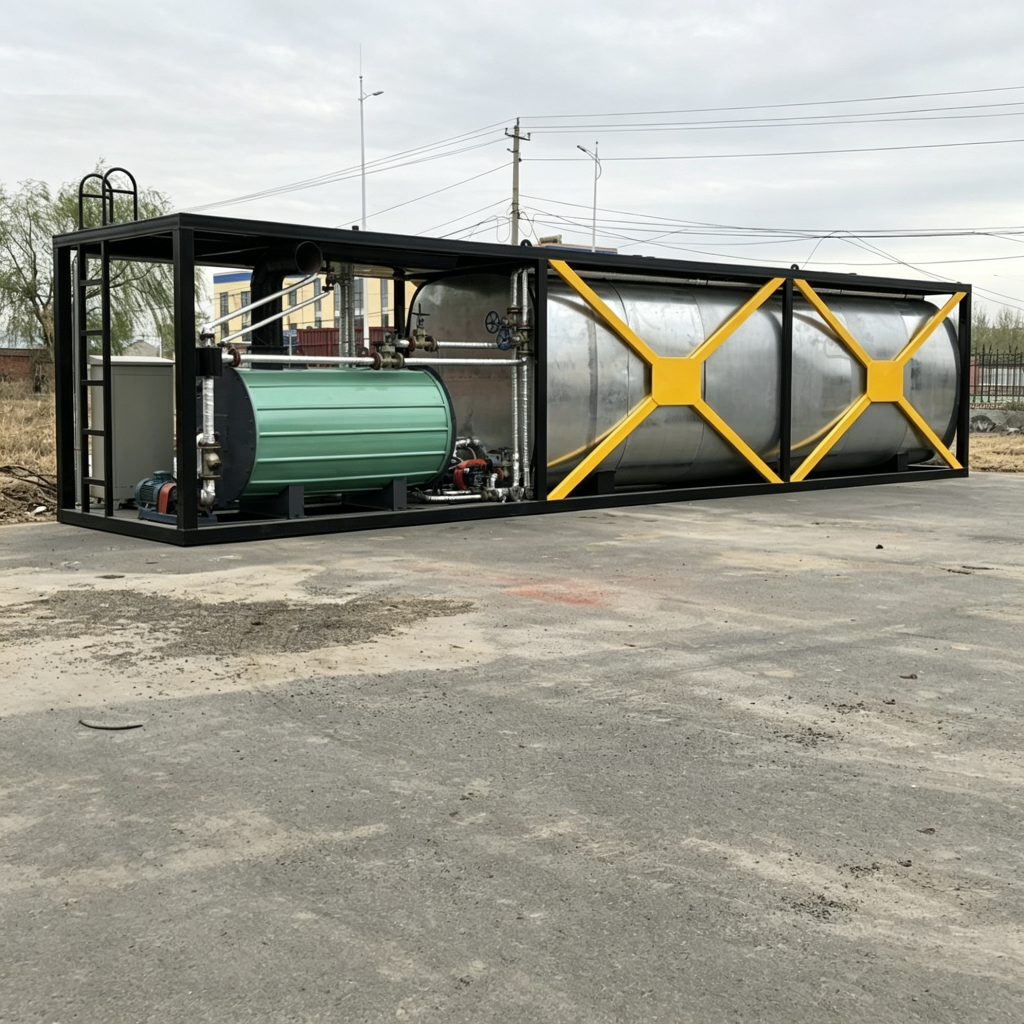
Allow enough holding time for SBS swelling, with agitation and heating to prevent segregation. An undersized development tank is the most common cause of inconsistent polymer content.
4. Automation
PLC control with recipe storage, automatic modifier dosing and temperature and pressure monitoring keeps every batch repeatable.
5. Heating system
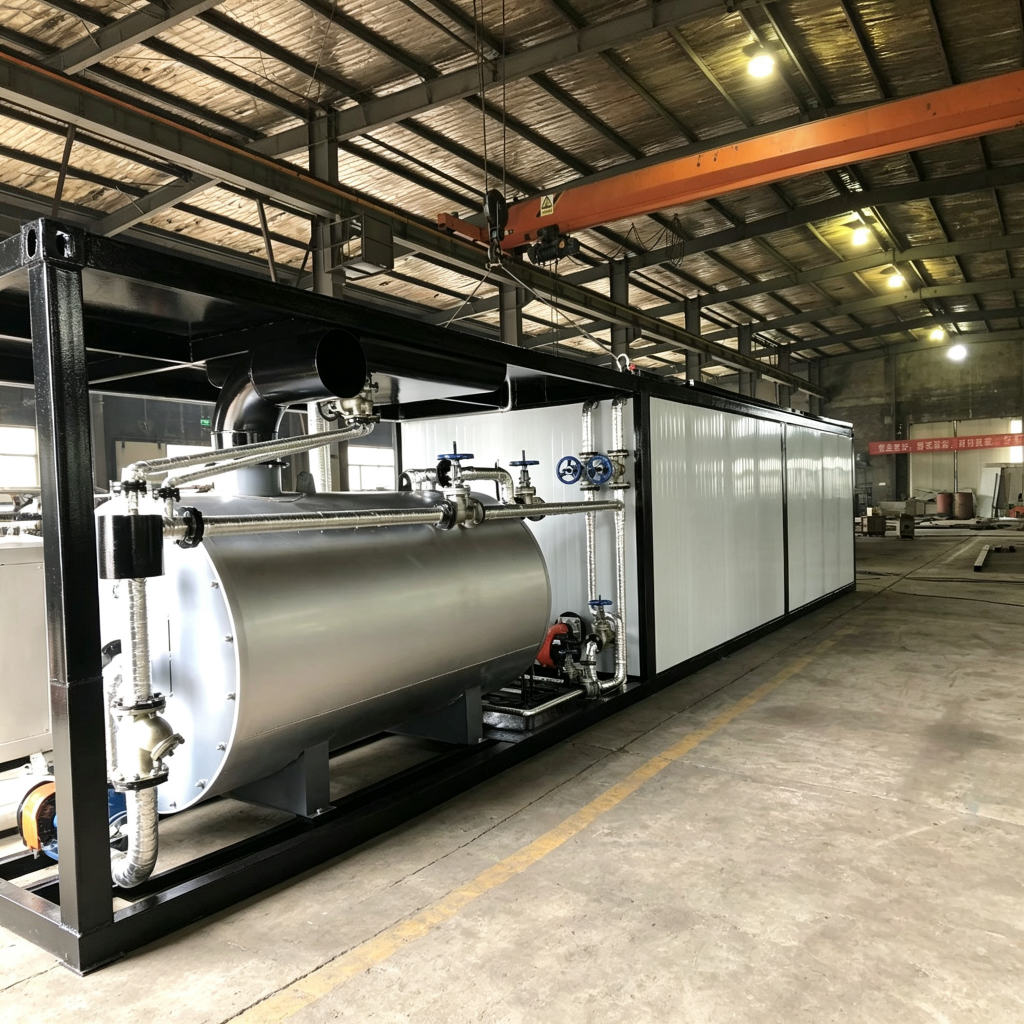
Thermal-oil heating is recommended for a uniform temperature. Check the energy efficiency of the heater as well, because the thermal-oil loop runs continuously during production.
Typical Specifications to Compare
| Parameter | Check |
|---|---|
| Type | continuous / batch |
| Output | t/h matches your volume |
| Colloid mill | gap, material, RPM |
| Development tank | volume and agitation |
| Control | PLC with recipes |
| Heating | thermal oil preferred |
Formulation and Storage Notes for PMB Producers
Beyond the machine, the two variables that most often spoil modified bitumen are moisture in the SBS and an unstable thermal-oil temperature. Store SBS in a dry area, and check the modifier feed for clumping before loading. During production, hold the bitumen within the supplier’s recommended window and confirm the mill gap after any change of modifier grade, since a gap that suits one polymer can over-shear another.
For storage, keep the development tanks agitated and heated at the low end of the working range rather than letting the product cool and re-heat repeatedly. Repeated heat cycles age the binder and reduce elastic recovery. Sampling per batch and recording softening point and penetration gives you the trend data that shows when the mill or the dosing system needs attention, long before a customer complains. Plants that also produce emulsion benefit from sharing the thermal-oil loop with emulsified asphalt equipment on the same site.
Why Choose LIJIU Modified Asphalt (SBS) Equipment?
LIJIU supplies both continuous and batch modified asphalt (SBS) plants, with high-shear colloid mills, automatic SBS dosing and stable quality control. We also provide matching asphalt rejuvenator, emulsified equipment and colored pavement materials, giving road contractors worldwide a one-stop solution.
Final Checklist
- Decide continuous or batch based on project scale.
- Estimate output and the product grades you will sell.
- Compare colloid mill quality between suppliers.
- Check automation level and heating method.
- Compare total cost, not just price.
The right PMB plant will deliver stable modified bitumen year after year and lower your operating cost.
Energy, Labour and Site Layout Considerations
A PMB line is judged on the binder it produces, but its economics are decided by energy and labour. A continuous plant running at a steady rate uses less energy per tonne than a batch plant that heats and cools repeatedly, though the batch plant wins on flexibility when the product range is wide. If your order book is dominated by one or two grades, continuous operation usually pays; if you produce several grades in small lots, batch gives better value.
Labour follows the same logic. A PLC-controlled plant with automatic modifier dosing lets one operator run production while attending to sampling and dispatch, whereas a manual plant ties an operator to the control panel for the whole shift. The difference is easily a full-time position, which is why automation often pays back faster on a PMB line than on a simpler process.
Site layout deserves attention before you sign. The development tanks need room for agitators to be lifted out for seal replacement, and the colloid mill needs clearance for rotor and stator removal in the direction the manufacturer specifies. Both jobs are quick when the layout allows them and slow when it does not. Plan the thermal-oil heater and its expansion tank so that the oil lines are short and access for filter changes is unobstructed, because the thermal-oil filter is a monthly item that becomes a daily annoyance if it is buried behind pipework.
Further Reading
For general industry background, see the Asphalt Institute and the Federal Highway Administration asphalt pavement recycling programme. These are independent, non-commercial references and are not connected with LIJIU.
Related Equipment and Guides
Reference Images
Standards and references
Specifications on this page follow ASTM D6927 Standard Test Method for Marshall Stability. Ask us for the full test report when you request a quote.