

Asphalt Equipment
LB4000 Asphalt Mixing Plant (280-340t/h Energy-Saving Modular Asphalt Batching Plant)
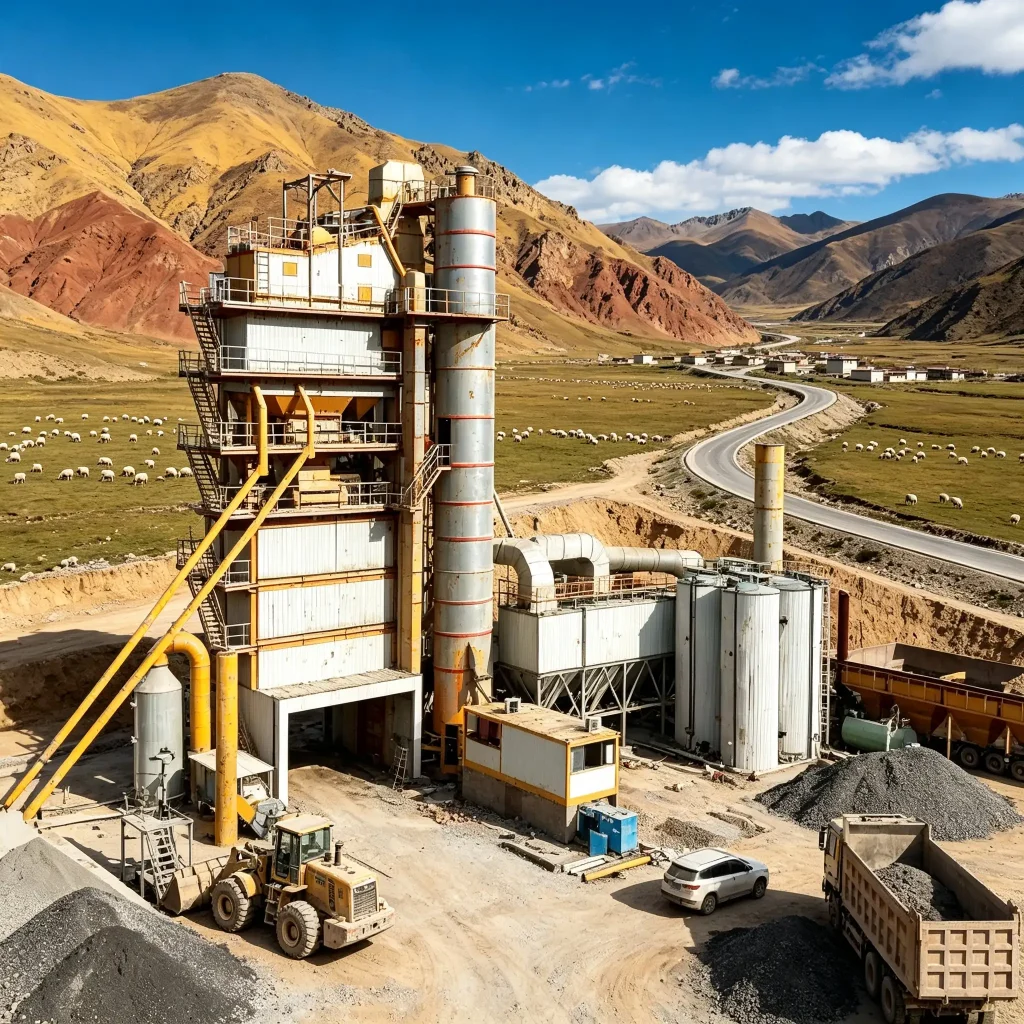
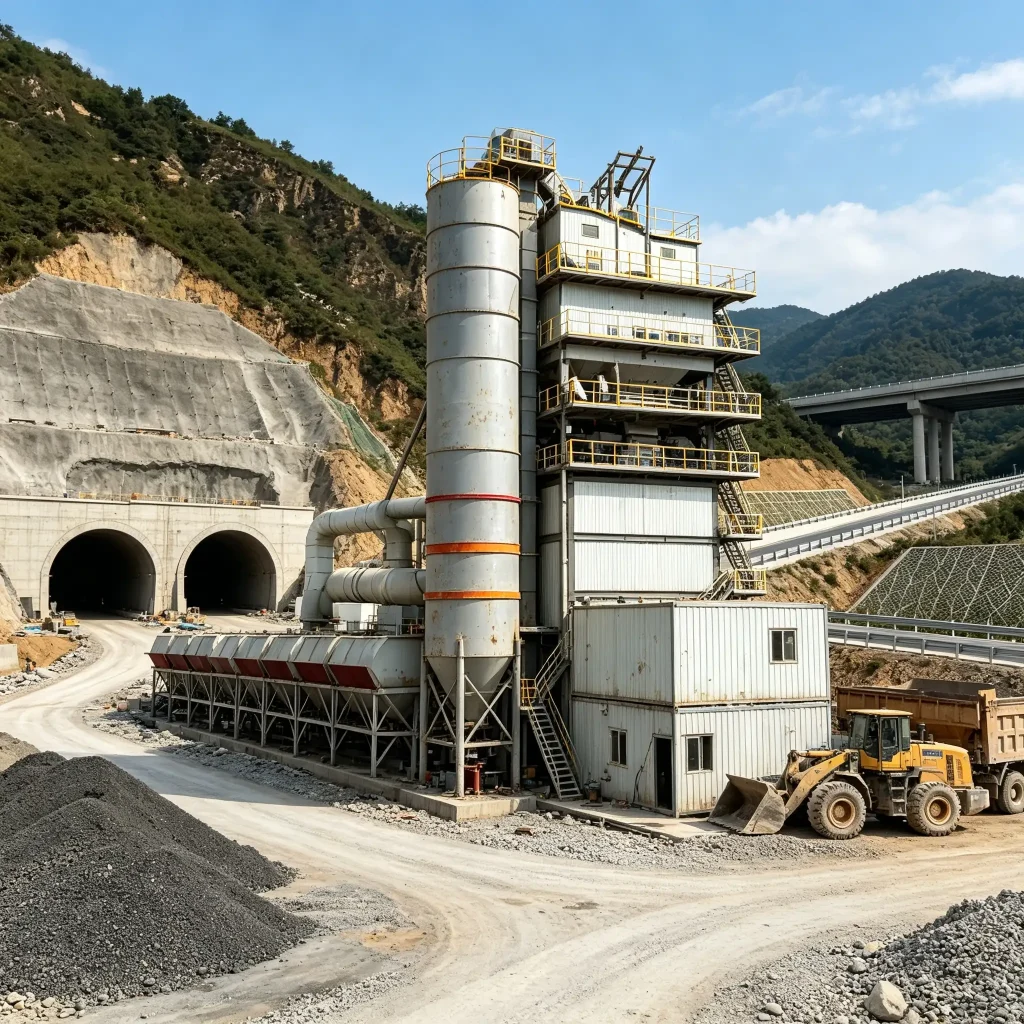
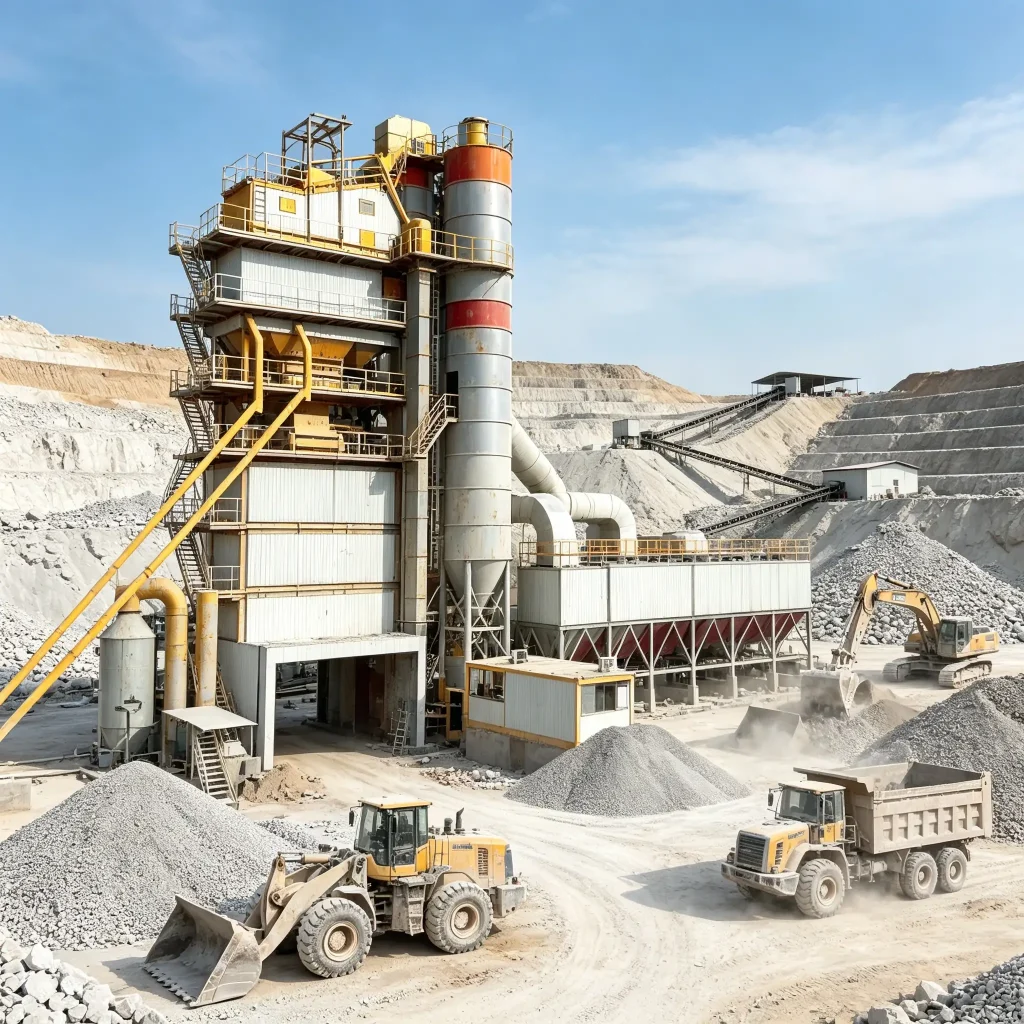
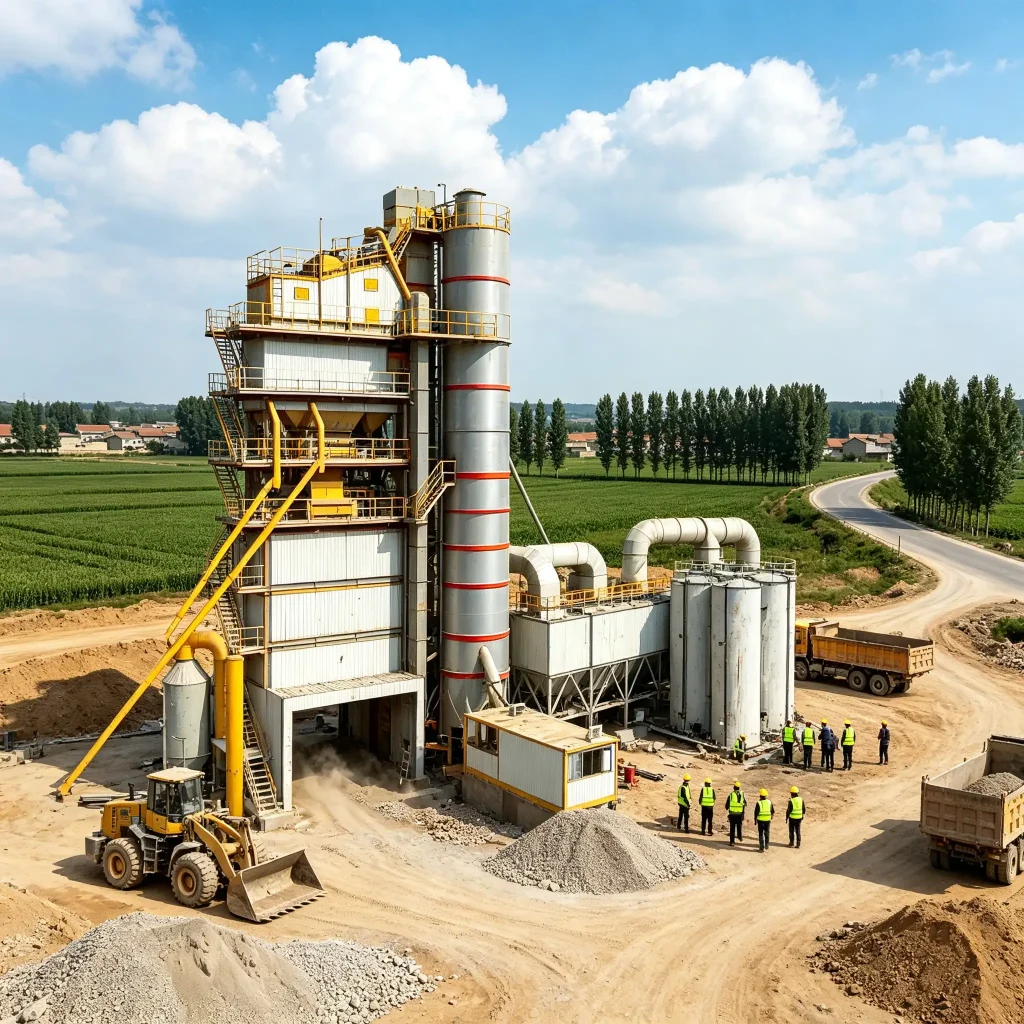
LB4000 batch plant, 280-340 t/h, energy-saving dryer and precision metering. Modular crates for FOB Qingdao and later capacity upgrades.
US$560,000 – US$620,000FOB Qingdao
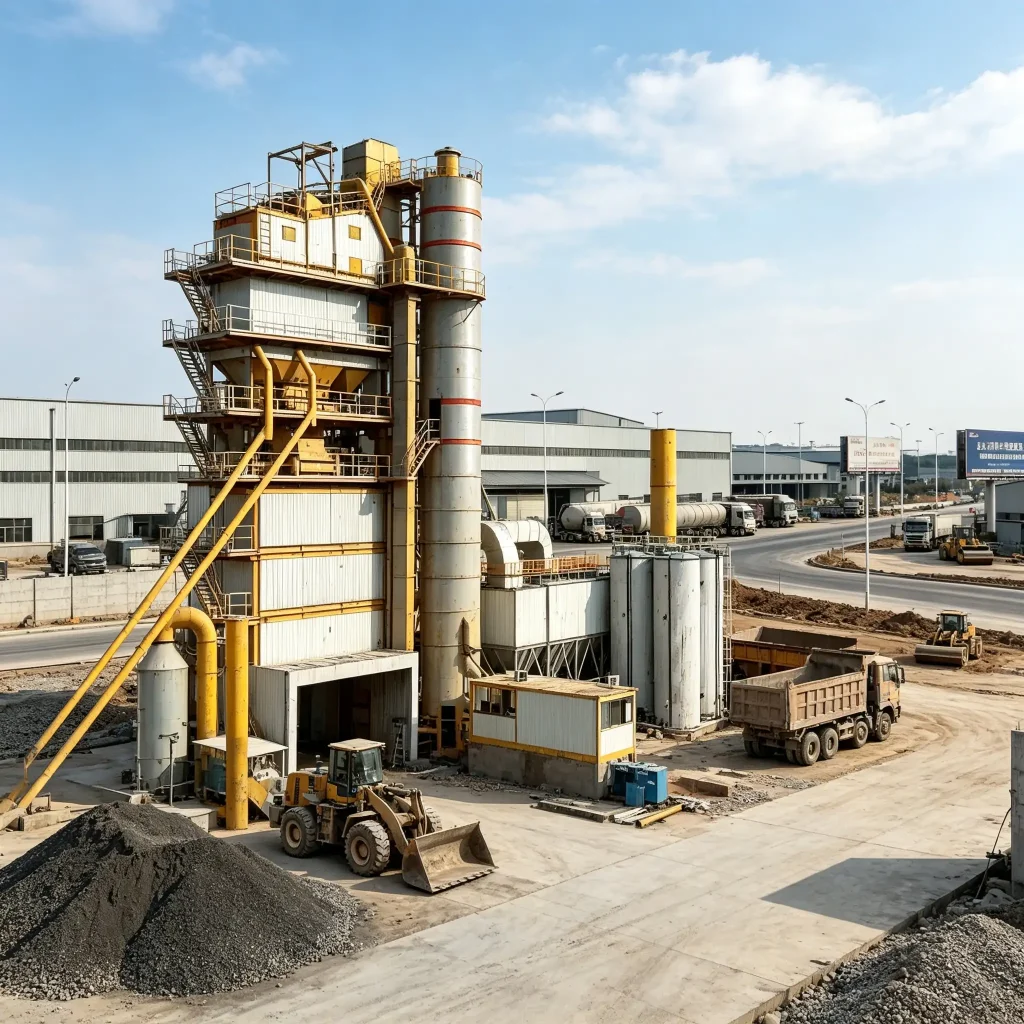
LIJIU · Factory direct · Asphalt plant equipment
LB Series Asphalt Mixing Plant- Model LB4000 asphalt mixing plant
- Type Stationary batch type asphalt mixing plant
- Batch capacity 4000 kg per batch
- Rated output 280–340 t/h
- Total installed power 858 kW
- Cold aggregate bin quantity 6 pcs
Factory desk: +86 136 3947 0101
LB4000 Asphalt Mixing Plant (280-340t/h Energy-Saving Modular Asphalt Batching Plant) — overview
Overview
Overview of the LB4000 asphalt mixing plant
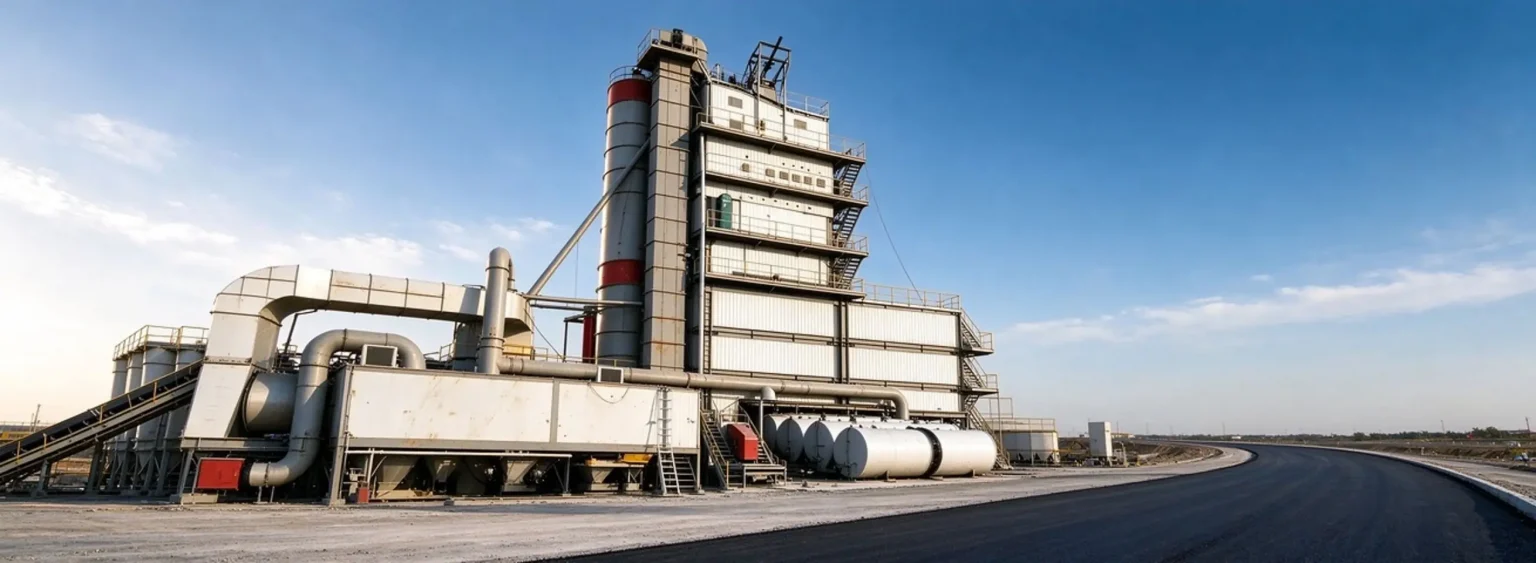
The LB4000 asphalt mixing plant is a large-capacity batch-type asphalt production unit with compact modular layout. Its batch mixing capacity reaches 4000 kg per batch, with practical output ranging from 280-340 tons per hour for heavy-duty road jobs.
This unit adopts split modular assemblies for simpler shipping and field assembly. This model targets large-scale infrastructure instead of small township repairs.
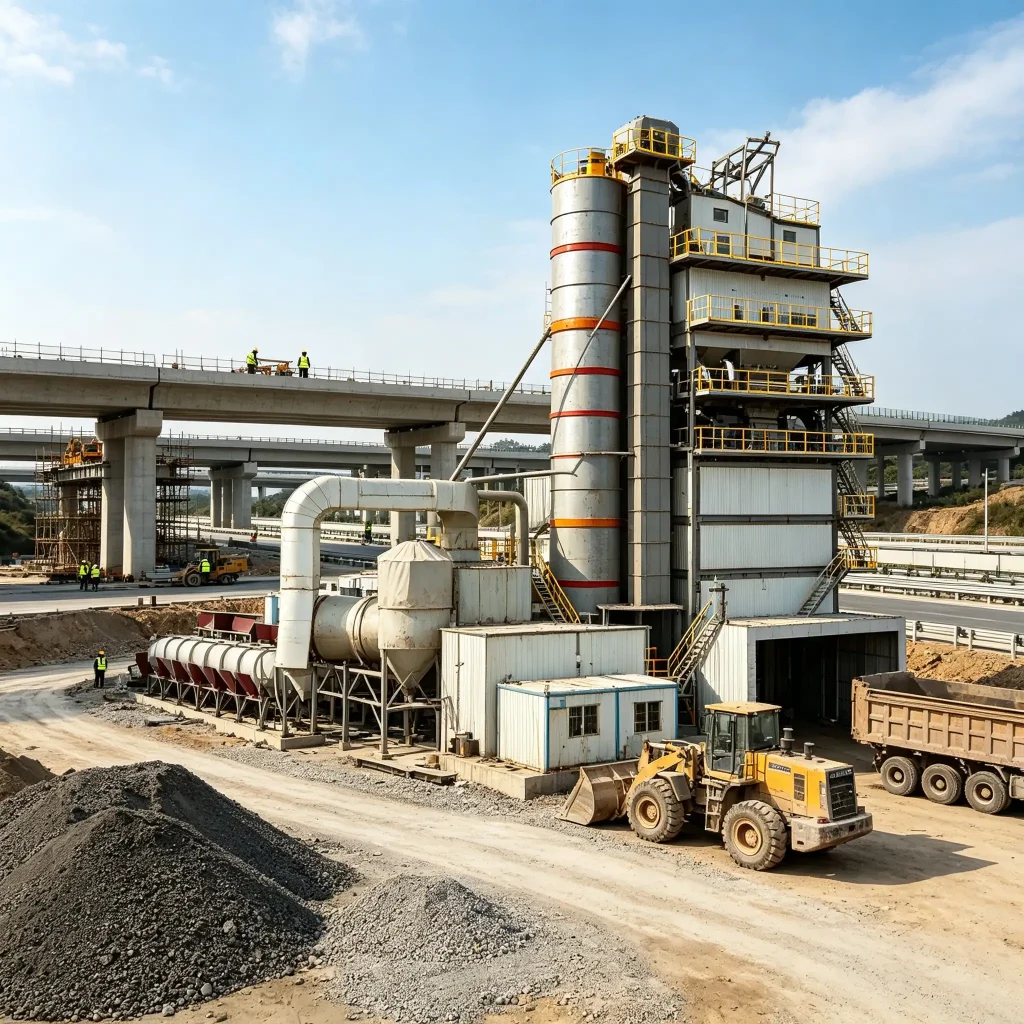
This plant mainly serves national highway projects, airport pavement, urban major road reconstruction and large-volume pavement renovation tasks that demand stable high-output hot-mix asphalt supply.
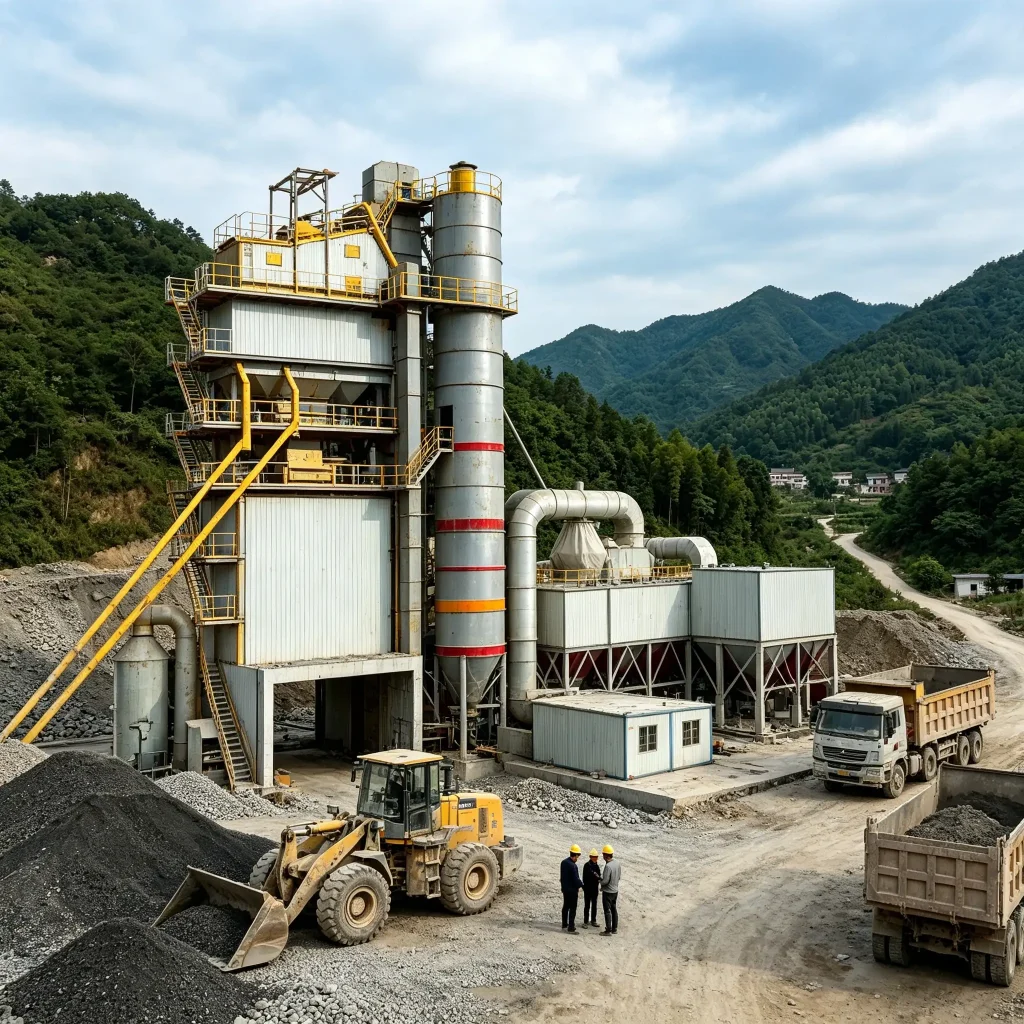
The LB4000 asphalt mixing plant uses the same intermittent architecture as the rest of the LB series, scaled to the largest batch in the catalogue: cold aggregate is fed from six hoppers, dried and heated in a large drum, lifted, screened into hot bins, weighed by fraction, and mixed in a twin-shaft pugmill before discharge. Every main subsystem of this plant is a separate module — cold feed, drying drum, hot aggregate elevator, vibrating screen, hot bins, metering system, mixing unit, dust removal, pneumatic system and electrical control — so this unit erects on a prepared foundation and can be dismantled and relocated when the contract window moves.
Core figures of this model from the standard configuration: total installed power of 858 kW; six cold hoppers at 15.5 m³ each with 800 mm batching belts and an 800 mm collecting belt; a drying drum of 3000 mm × 12000 mm rotated by four 30 kW gear motors; a fuel-oil burner; a vertical chain bucket hot aggregate elevator at 37 kW; a vibrating screen with six decks (3×3, 7×7, 15×15, 22×22, 30×30 and 40×40 mm); two 50 m³ powder tanks (upper and lower); a 480 kg bitumen weighing bucket; and a mixing unit driven by two 45 kW gear motors rated for 4000 kg per batch.
Configuration follows the site. Dust removal is a high-voltage pulse bag-house with 1120 bags; the finished-product silo (100 t standard, 120/240 t optional) buffers truck loading; and the heating circuit uses four 50 t asphalt tanks and one 50 t heavy-oil tank fed by a 1,000,000 kcal thermal-oil furnace. Control runs manual, semi-automatic or fully-automatic from an air-conditioned control room, with fresh powder injection and powder elevator matched to the recipe.
The LB4000 is chosen where output and recipe discipline matter at the same time: national highway projects, airport pavement, urban main-road reconstruction and large-volume renovation jobs that run several mix formulas across a season. Its 4000 kg batch keeps truck loading synchronized with high-output paving while retaining the batch plant’s ability to change formula between batches without flushing a drum.
Why a batch plant instead of a continuous drum plant? For contracts that run several recipes, a batch plant is the practical choice: each batch can change formula, grade and bitumen content without flushing the drum, and the separate weighing of aggregate, filler and bitumen gives auditable batch records.
Continuous plants win on sheer tonnage for one recipe over a long season; the LB4000 wins when the job list is varied and the plant must answer to a mix-design sheet. Batch plants also fit export quality control better — every batch is weighed on the same scales, mixing time is fixed by the control program, and the operator can log temperature and weight data per batch for the client’s acceptance records.
From the LIJIU works, the LB4000 is supplied factory-direct with ISO 9001 documents, English drawings, seaworthy packing for FOB Qingdao shipment, installation guidance, operator training and a first-year wear-parts list. Voltage, fuel, HMI language and CE / SNI / TISI compliance papers are confirmed at the inquiry stage, and a configuration sheet with scope and lead time is returned within 24 hours.
Quality control on this plant starts with the weighing system and ends with a batch record: aggregate, filler and bitumen are each weighed before release, mixing time is fixed by the control program, and the operator logs temperature and weight data per batch for the client’s acceptance records. Before dispatch from the Dezhou works, critical units run under load, and the test report, ISO 9001 documents and drawings travel with the shipment.
LB4000 asphalt mixing plant Working Principle
The LB4000 is a intermittent asphalt batch plant: it produces mixture in fixed batches of 4000 kg instead of a continuous stream. One complete cycle — from cold aggregate feeding to finished mix discharge — runs through eight steps, and the cycle time together with the 4000 kg batch size sets the hourly output. Here is how the plant works, subsystem by subsystem.
- Cold aggregate batching. The six 15.5 m³ cold hoppers store different aggregate fractions. Each hopper feeds onto its 800 mm batching belt at a rate set by the batching control, and the fractions merge on the 800 mm collecting belt in the recipe proportion. This first step decides the final gradation, so the belt scales are calibrated against the mix design.
- Drying and heating. The collecting belt carries the cold aggregate into the 3000 mm × 12000 mm drying drum, rotated by four 30 kW gear motors. The fuel-oil burner heats the drum, and the aggregate is dried and heated to the target temperature as it tumbles through the rotating drum. Heating is adjusted for aggregate moisture; wet aggregate needs more fuel and a longer residence time.
- Hot aggregate lifting. The heated aggregate is lifted by the vertical chain bucket elevator (37 kW) to the top of the screen tower — the transfer point between the dryer level and the screening level.
- Screening into hot bins. The vibrating screen separates the hot aggregate through six decks (3×3, 7×7, 15×15, 22×22, 30×30 and 40×40 mm), and each fraction falls into its own compartment of the hot bins, where it is stored hot until the batch is weighed. Screen apertures can be adjusted to the project gradation.
- Metering by weight. For each batch, aggregate is drawn into the aggregate weighing bucket, filler powder from the two 50 m³ powder tanks into the powder hopper, and bitumen into the 480 kg bitumen weighing bucket. Each component is weighed separately before release, which is what guarantees the same recipe batch after batch.
- Forced mixing. The weighed aggregate, filler and bitumen are discharged into the mixing unit, driven by two 45 kW gear motors. The twin mixing arms force the materials into a uniform asphalt mixture. The mixing time is set by the control system and held long enough to coat every aggregate particle with binder.
- Discharge and finished silo. The finished 4000 kg batch is discharged directly into a waiting truck, or into the optional 100 t finished-product silo (120/240 t versions available) for short holding when trucks arrive in waves.
- Dust collection and process control. The high-voltage pulse bag-house with 1120 bags collects dust from the dryer and the screening tower, and the induced-draft fan keeps the system under controlled pressure. The pneumatic system powers the cylinder valves and weighing doors, while the control system runs the sequence automatically with manual and semi-automatic fallback.
In practice, one full cycle takes roughly one minute of plant time, so the LB4000 turns about 4000 kg into roughly 280–340 t/h of finished asphalt mixture depending on recipe, moisture and cycle discipline. Because the sequence is automatic, the operator supervises temperatures and weights instead of driving each gate by hand, which keeps batch-to-batch quality stable on a long production day.
Full Configuration List
| Serial number | system | Kit name | Specification/power | Quantity | Remarks |
|---|---|---|---|---|---|
| 1 | parameter | Yield | 280-340 t/h | ||
| Stirring capacity | 4000kg/batch*time | ||||
| Installed capacity | 858kw | ||||
| 2 | Cold feed system | Cold hopper | 15.5 m³ | 6 | |
| Geared motor for batching conveyor belt | GSAT77-Y2.2-4P | 6 | |||
| Batching conveyor belt | 800mm | 6 | |||
| Aggregate conveyor belt reduction motor | GKAT77-Y2.2-4P | 1 | |||
| Aggregate conveyor belt | 800mm | 1 | |||
| 3 | Drying system | Drying drum | 3000mm*12000mm*18mm | ||
| Geared motor | GFAT127-Y30-4P | 4 | |||
| burner | Fuel oil | ||||
| Burning coal | |||||
| 4 | Dust removal system | dust collector | High voltage pulse | 1120 | |
| Induced draft fan | 200kw | 1 | |||
| 5 | Powder system | Powder tank (upper and lower tank) | 50m³ | 2 | |
| Screw conveyor geared motor | BLD3-17-5.5KW | 1 | Fresh powder can | ||
| BLD2-17-5.5KW | 4 | Old powder can | |||
| Powder elevator | GFAT87-YEJ11-4P | 1 | |||
| 6 | Hot aggregate elevator | Hot aggregate elevator | Vertical chain bucket | 1 | |
| Geared motor | GFAT157-YEJ37-4P | 1 | |||
| 7 | Vibrating screen | Vibration motor | 11KW | 2 | Ori Wolong |
| Screen | |||||
| *Screen specifications | 3*3;7*7;15*15;22*22;30*30;40*40 Six floors | 6 | Specifications can be adjusted according to requirements | ||
| 8 | Hot aggregate bin system | Quarantine | 40m³ | 6 | |
| 9 | Metering system | Asphalt weighing | Measuring bucket 480kg | ||
| Aggregate weighing | Measuring bucket 4000kg | ||||
| Powder weighing | 600kg weighing bucket | ||||
| 10 | Mixing system | Geared motor | BWD7-17-45KW | 2 | |
| Stirring capacity | 4000kg/batch*time | ||||
| 11 | Pneumatic system | Air compressor | Screw type | ||
| 12 | Finished productsilo | Customer choose | 120/240T | ||
| 13 | Fuel asphalt heating system | *Asphalt tank | 50T/Heat conduction oil type | 4 | User options |
| *Heavy oil tank | 50T/Heat conduction oil type | 1 | |||
| Fuel heat conduction oil furnace | 1 million kcal | 1 set |
Key Advantages of the LB4000 asphalt mixing plant
First, this plant owns high batch capacity of 4000 kg per batch and 280-340 t-h throughput, matching large-volume continuous construction demands.
Second, special shaped lifting blades inside drying drum improve heat utilization and cut fuel consumption. Core components like reducer, burner and filter bags adopt imported parts for reliable long-hour running.
Third, full-set electronic weighing system ensures high measuring precision for aggregate, powder and asphalt to keep stable asphalt mixture quality.
Fourth, modular split-structure shortens installation cycle. Imported electric elements support both program-controlled automatic operation and independent manual single-unit debugging.
Applications and Cases of the LB4000 asphalt mixing plant
This unit is built for high-grade large-scale pavement infrastructure projects with huge asphalt consumption. It is widely deployed for national and provincial highway new-build and overhaul jobs.
Airport runway and taxiway paving projects frequently select this batch-type plant for strict mixture-quality control requirements. Major urban arterial road reconstruction and elevated-road surface projects also adopt this equipment.
Large industrial-zone and port heavy-load pavement construction suits its high-output feature. Many domestic express-way expansion and overseas large-road infrastructure projects choose this plant for stable batch-mix performance.
Product images
Further Reading
For general industry background, see the Asphalt Institute and the Federal Highway Administration asphalt pavement recycling programme. These are independent, non-commercial references and are not connected with LIJIU.
Related equipment and guides
Standards and references
Specifications on this page follow ASTM D6927 Standard Test Method for Marshall Stability. Ask us for the full test report when you request a quote.
Applications
Applications
New asphalt mixing plants, plant upgrades, bagged-bitumen melting on remote sites, emulsion or PMB terminals, and foam retrofit on existing batch plants.
Expressway new construction and overhaul projects
Airport runway and taxiway pavement works
Urban main road and viaduct surface reconstruction
Port heavy-duty pavement construction
Large industrial park road paving
National & provincial highway upgrading projects
Overseas large-scale road infrastructure projects
Why contractors specify this line
Advantages
- 4000kg per batch capacity, 280–340 t/h high throughput for large pavement projects
- Optimized drying drum blades improve heat efficiency and reduce fuel consumption
- High precision electronic weighing system guarantees stable asphalt mixture quality
- Modular split design shortens on-site installation period
- Imported core components for long continuous running and low failure rate
Specifications
Specifications
Values below come from the product record. Freeze them on the approval drawing before you put them in a bid.
| Item | Value |
|---|---|
| Model | LB4000 asphalt mixing plant |
| Type | Stationary batch type asphalt mixing plant |
| Batch capacity | 4000 kg per batch |
| Rated output | 280–340 t/h |
| Total installed power | 858 kW |
| Cold aggregate bin quantity | 6 pcs |
| Hot aggregate bin quantity | 6 compartments |
| Drying drum dimension | φ3000 mm ×12000 mm |
| Dust collector type | High pressure pulse bag-house dust collector |
| Induced draft fan power | 200 kW |
| Optional finished silo capacity | 120 t / 240 t |
| Supported fuel | Diesel / Coal |
| Weighing accuracy | Aggregate ±0.5%, Filler ±0.3%, Bitumen ±0.25% |
| Control system | PLC automatic & manual dual mode |
| Transportation | Modular split for container shipment |
| Foundation requirement | Reinforced concrete foundation |
Installation and commissioning
Process
-
01
Interface check
Foundations, power, fuel, existing tower piping and target tph.
-
02
Set-down
Unpack, align, pipe, cable, insulate and check safety valves.
-
03
Cold and hot commissioning
Interlocks, temperature curves, foam or mill stability, weigh accuracy.
-
04
Handover
Trial-production log, operator training, maintenance interval and wear-parts list.
LB4000 Asphalt Mixing Plant (280-340t/h Energy-Saving Modular Asphalt Batching Plant) FAQ
What is the real output of LB4000 asphalt mixing plant?
Batch capacity is 4000kg, practical output 280–340 t/h. Output varies with aggregate moisture and site conditions.
What fuel options are available for LB4000 asphalt mixing plant?
The plant supports diesel or coal burners. You need to confirm fuel type before ordering.
Does LB4000 asphalt mixing plant require concrete foundation?
Yes, heavy reinforced concrete foundation is required to bear weight and reduce vibration.
What is the total installed power of LB4000 asphalt mixing plant?
Total installed power is 858 kW. Check local transformer capacity before site layout.
Does LB4000 asphalt mixing plant support manual operation?
Yes, it supports automatic running and manual independent control for commissioning and troubleshooting.
What size of finished silo can I choose?
Optional 120t or 240t finished material silo, selected based on truck loading speed.
What dust removal system is equipped?
Standard high-pressure pulse bag dust collector with 200kW fan to meet emission requirements.
Need an FOB configuration for this model?
Send tph or tonnage, RAP ratio, voltage, fuel and destination port. LIJIU replies within 24 hours with scope, lead time and a spare-parts list. Desk: +86 136 3947 0101
Related models
Related
RLB1000 Asphalt Hot Recycling Plant (80t/h Drum Type Asphalt RAP Mixing Equipment)
View specs
GLB60 Asphalt Mixing Plant (50-80t/h Modular Continuous Asphalt Mixing Plant)
View specs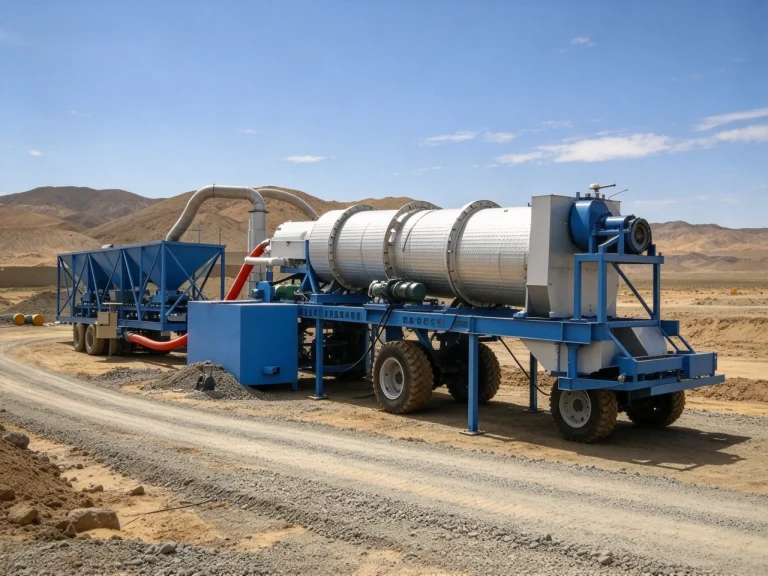
GLB30 Asphalt Mixing Plant (30t/h Mobile Modular Continuous Asphalt Plant)
View specsRelated guides
Guides