

Asphalt Equipment
RLB1000 Asphalt Hot Recycling Plant (80t/h Drum Type Asphalt RAP Mixing Equipment)
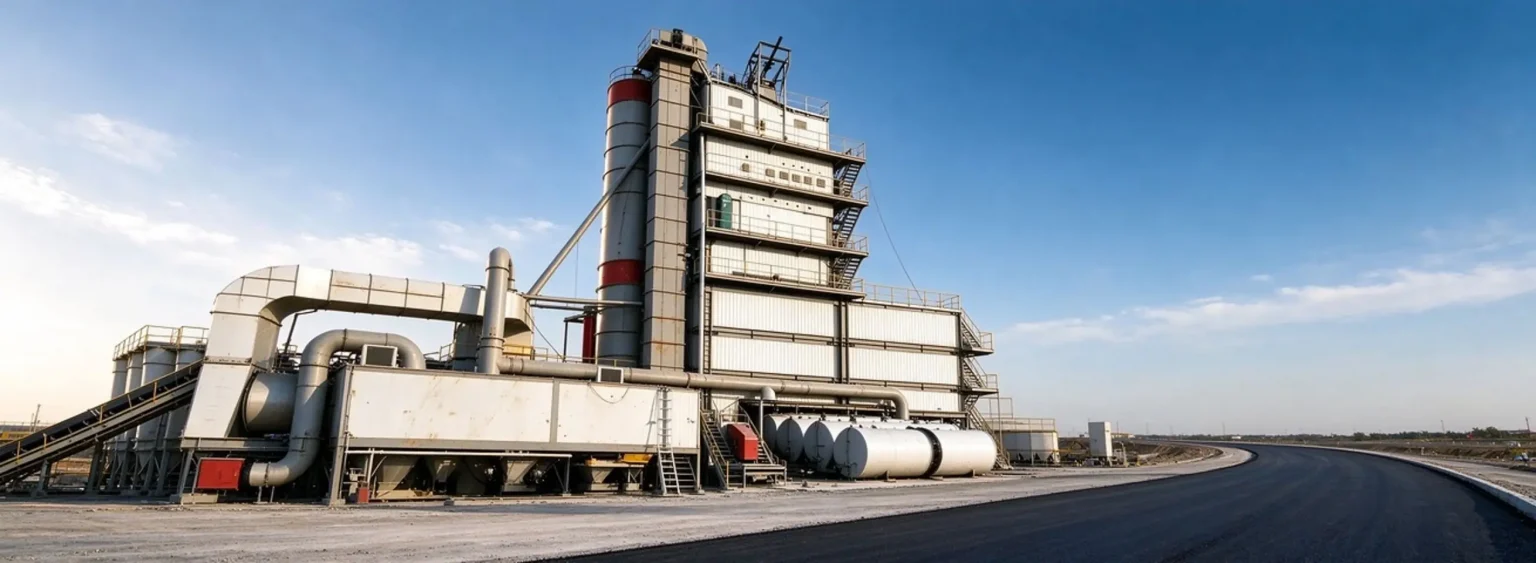
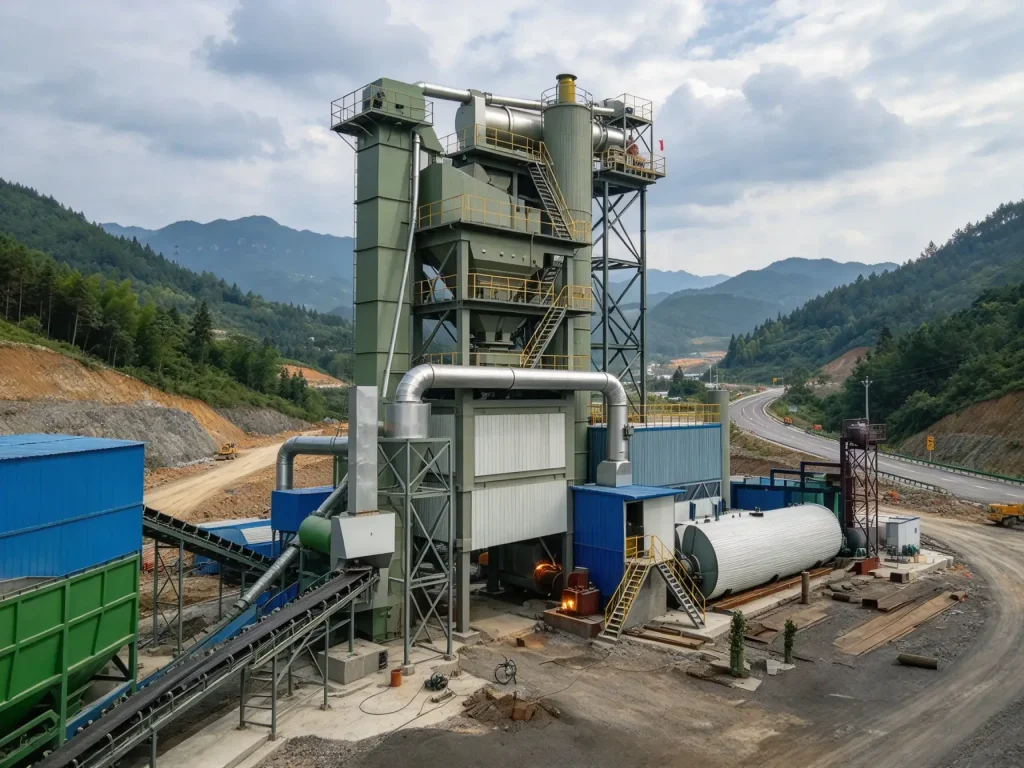
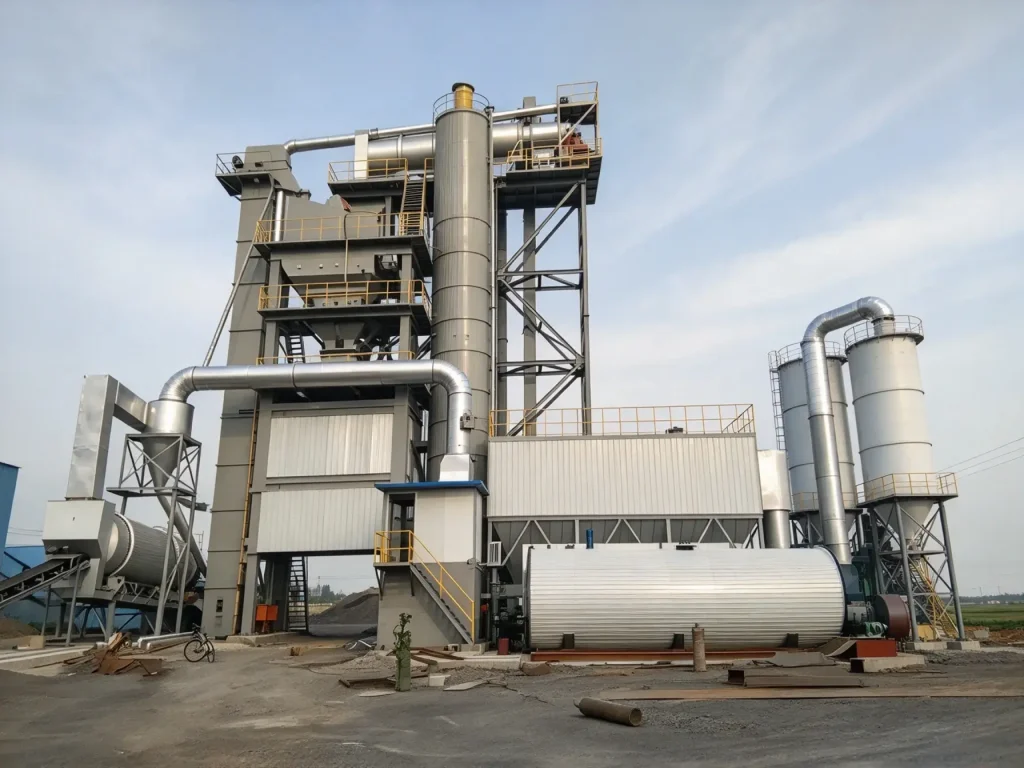
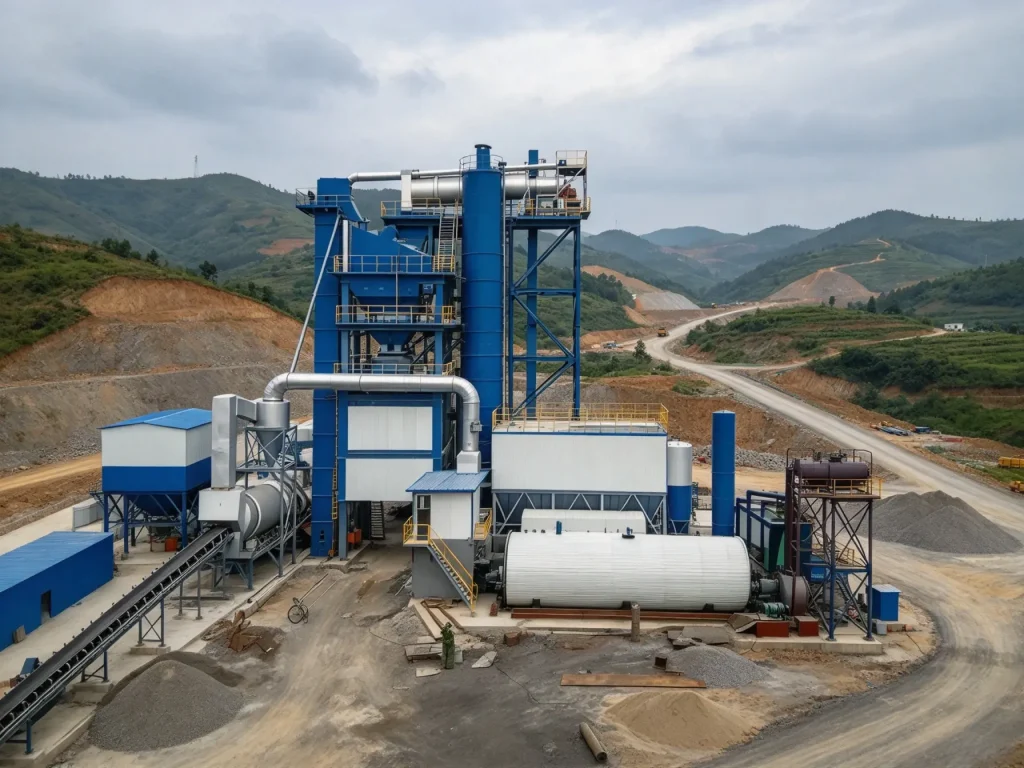
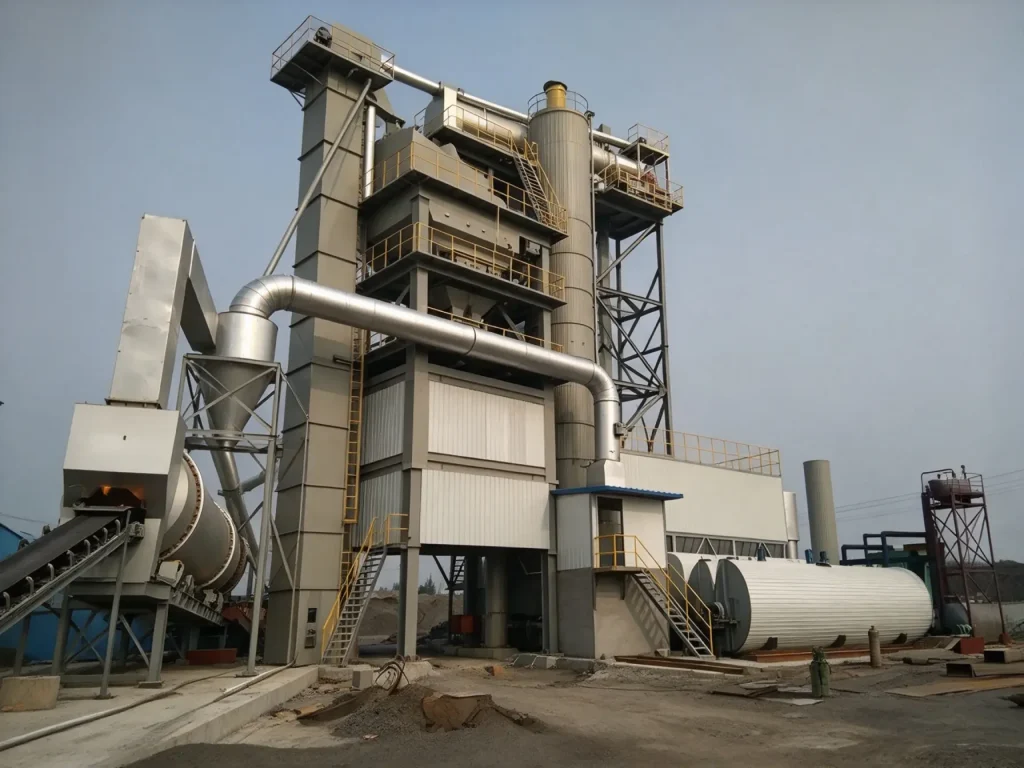
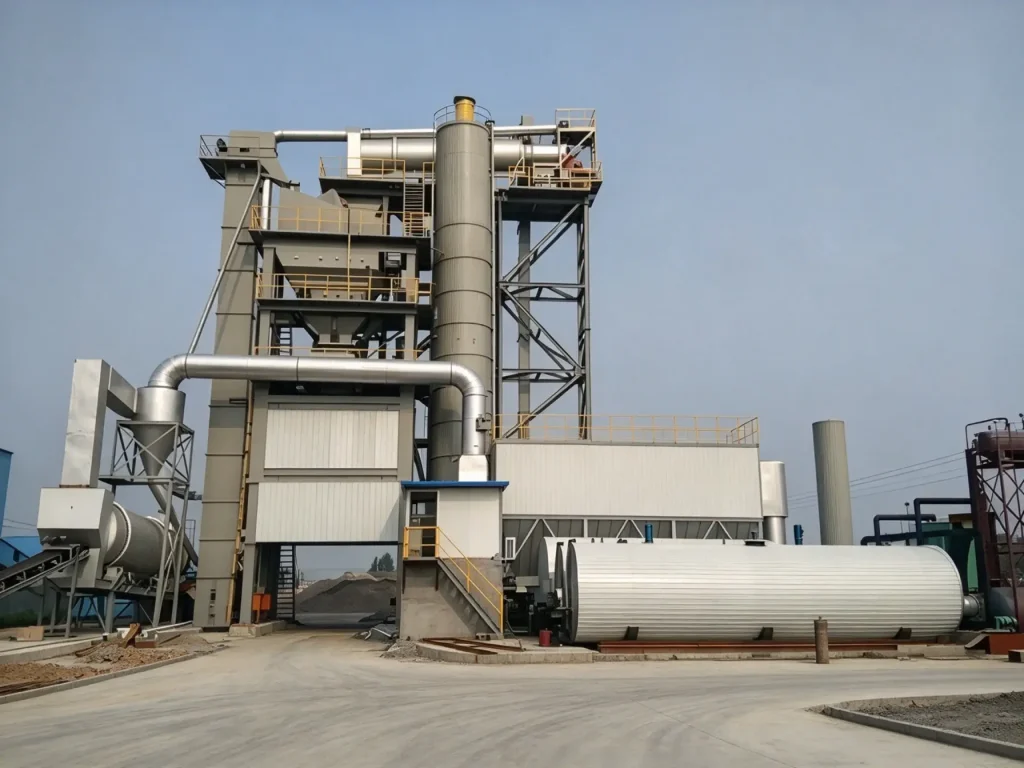
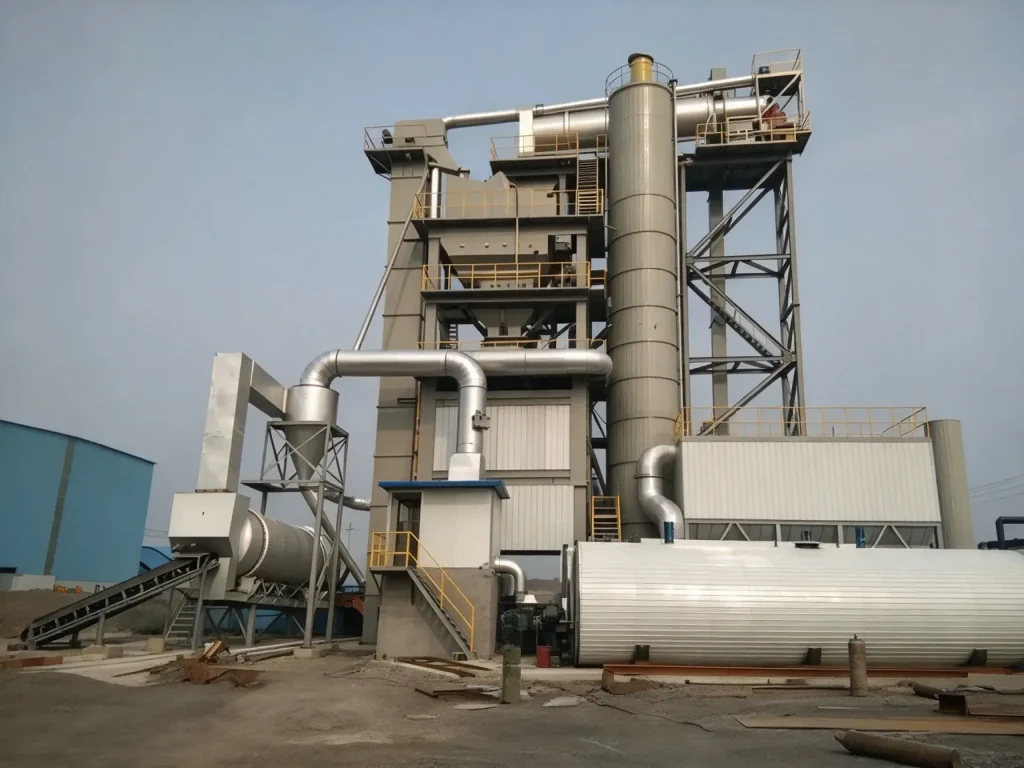
RLB1000 elevated drum RAP plant, 80 t/h. Hot recycling of reclaimed pavement. Specify RAP ratio, voltage and fuel with the factory RFQ.
US$70,000 – US$80,000FOB Qingdao
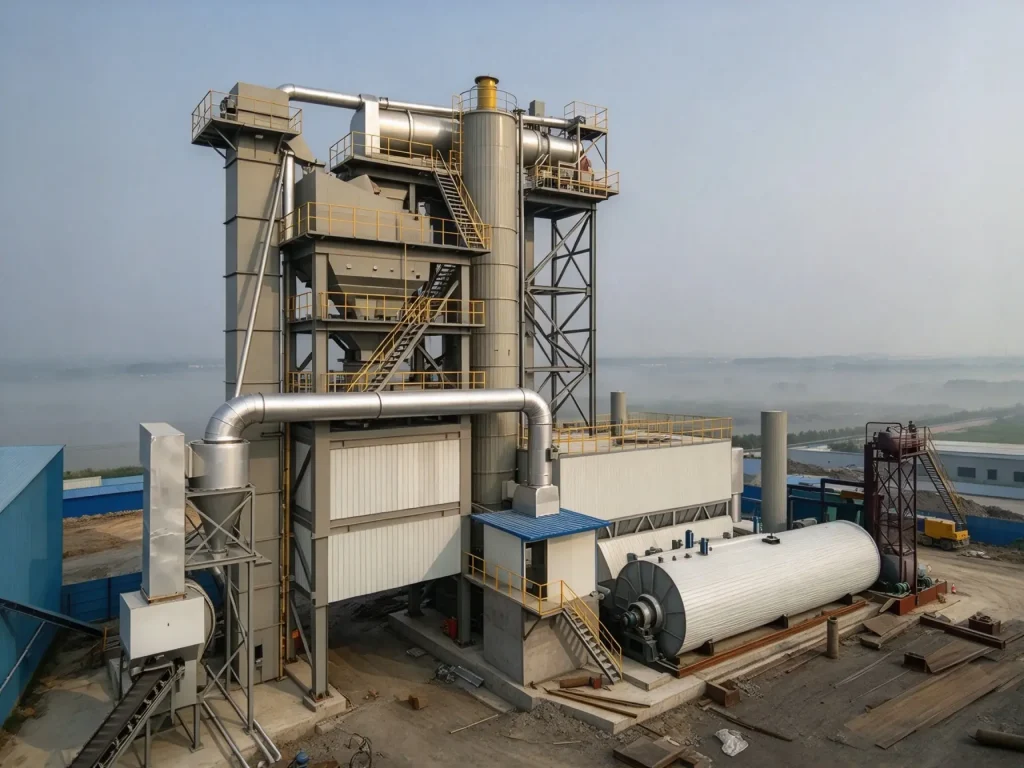
LIJIU · Factory direct · Asphalt plant equipment
RLB Series Asphalt Mixing Plant- Equipment Name Overhead drum type plant mixing heat regeneration supporting equipment
- Model Number RLB1000
- Rated Production Capacity 80t/h
- Aggregate Condition (Rated Working Condition) Material passing through 40mm screen 100%
- Aggregate Condition (Rated Working Condition) Materials passing through a 3mm screen 40%
- Aggregate Condition (Rated Working Condition) Material passing through 74μm sieve ≤7% (ASTM200)
Factory desk: +86 136 3947 0101
RLB1000 Asphalt Hot Recycling Plant (80t/h Drum Type Asphalt RAP Mixing Equipment) — overview
Overview
The RLB1000 asphalt hot recycling plant is an elevated drum-type in-plant hot recycling unit with a rated production capacity of 80 t/h.
This unit is the compact member of the LIJIU recycling line: an overhead drum-type in-plant hot recycling unit rated at 80 t/h of recycled mixture, engineered to bolt onto existing small and medium intermittent batch plants. It is the shortest upgrade path for a conventional mixing plant that wants to accept reclaimed asphalt pavement (RAP): the milled material is dried, reheated and metered on the dedicated recycling modules, then delivered to the main mixer of the host plant, where it is blended with pre-heated virgin aggregate, new bitumen and filler into finished recycled asphalt mixture.
It shares the same architecture as the larger RLB2000 recycling line, scaled down for small plants. On this plant, reclaimed material is pre-crushed and screened to a consistent top size, stored in a cold feeding bin, metered by a variable-frequency-drive belt feeder, dried in a dedicated recycling drum under temperature-controlled heating, buffered and statically weighed, and finally discharged into the main mixer in step with the host batch cycle. The module count is deliberately small — recycled material distribution, recycled material drying, buffering/weighing/conveying, and the interlock to the host plant — so the addition fits a compact site and shares the host’s pneumatic and electrical infrastructure.
For this recycling plant, core power figures from the standard configuration: total installed power of the recycling line is only 84 kW, split between the recycled material distribution system at 22.5 kW, the recycled material drying system at 60 kW, and buffering, weighing and conveying at 1.5 kW. Power supply is single-phase 220 V and three-phase 380 V at 50 Hz. Against a host plant in the several-hundred-kilowatt class, the recycling add-on places almost no extra pressure on site power capacity, which is usually the deciding factor on small rural and township sites with weak grids.
Rated working conditions are defined on the same basis as the host plant: aggregate passing the 40 mm screen 100%, passing the 3 mm screen 40%, and passing the 74 µm sieve (ASTM 200) no more than 7%; aggregate temperature at the discharge end of the drying drum 140 ℃; standard atmosphere 960 mm Hg; ambient temperature 25 ℃; aggregate proportion 1650 kg/m³; specific heat of aggregate 0.21 Kcal/kg·℃; powder content 5%; asphalt content 5%; sand content not over 40%; maximum aggregate size not over 40 mm. These figures are the basis of the factory rating, and the same basis is used for the quoting sheet so that capacity claims are comparable between plants.
Fuel flexibility of this plant follows the site. The drying burner accepts heavy oil with a calorific value of 9,600 Kcal/kg, diesel oil at 10,500 Kcal/kg, or natural gas at 8,298 Kcal/m³, whichever the local supply makes cheapest or cleanest. The recycling drum of this unit is sized and insulated around the rated conditions above, and the control system trims the burner against the material temperature signal, so the unit keeps its heat balance without over-firing the drum.
Typical projects for this plant are small and medium asphalt plant upgrading and RAP-recycling contracts: municipal and county road maintenance, township new roads and renovation, industrial park pavements and maintenance depots that mill old pavement each season. For these owners, this unit converts a milled-asphalt disposal problem into a priced raw material, cuts virgin aggregate and new bitumen consumption, and lowers the carbon footprint of the wearing course while keeping the acceptance tests of a virgin mix.
Why a supporting recycling unit instead of a complete recycling plant? For an owner with a working batch plant, the RLB1000 keeps the existing investment: the host mixer, screens, bitumen system and finished silo stay in service, and only the RAP preparation line is added. A complete standalone recycling plant would duplicate the mixing tower, raise the power demand and take a much larger site. The supporting-unit approach also keeps training simple, because the operator already knows the host plant and only learns the recycling add-on.
Retrofitting is the practical strength of this plant: it ties into an existing small or medium intermittent mixing plant without large modification of the original plant. On this unit, the recycling modules are added beside the tower, the interlock signals are wired to the host control system, and all original functions of the existing plant are retained. From the LIJIU works, this plant is supplied factory-direct with ISO 9001 documents, English drawings, seaworthy packing for FOB Qingdao shipment, installation guidance, operator training and a first-year wear-parts list. Send the RAP tonnage, target RAP ratio and host plant model with your inquiry; a configuration sheet with scope and lead time is returned within 24 hours.
On delivery, this unit arrives as matched modules with quick-coupling piping, so a site crane and a small erection crew can place the recycling line beside the host tower within a few working days. Cold commissioning of this plant is done with the host plant empty, followed by hot runs on a test recipe; the operator handover covers RAP feeding, the temperature windows and the daily checks that keep the recycling ratio consistent.
Working Principle of RLB1000 asphalt hot recycling plant
The RLB1000 asphalt hot recycling plant runs as a temperature-controlled closed loop in six steps. The sequence is designed around one priority: regenerate the aged binder in the reclaimed asphalt without overheating it, and deliver the dried, weighed feed to the main mixer exactly when the host batch is ready to receive it.
- RAP crushing and screening. Milled reclaimed asphalt is pre-crushed and screened to a consistent top size of no more than 40 mm, with oversize lumps removed before the cold bin. A stable particle size distribution is the precondition for a stable recycled mix, because the drying drum and the metering system both work on the assumption of uniform material.
- Recycled material distribution. The screened RAP is stored in the cold feeding bin of the recycled material distribution system (22.5 kW). The variable-frequency-drive controlled belt feeder adjusts the feeding speed to hold a stable, consistent material flow into the recycling drum, matching the feed rate to the moisture and to the host batch cycle.
- Recycling drying and reheating. Inside the dedicated recycling drying system (60 kW), the material is heated toward the 140 ℃ discharge-end target temperature. Multi-point distributed temperature sensors monitor the material temperature in real time to avoid local overheating that would cause asphalt aging; the burner runs on heavy oil, diesel or natural gas according to the site fuel supply.
- Buffering, weighing and conveying. After reaching the target temperature, the recycled material passes through the buffering, weighing and conveying module (1.5 kW). The buffer absorbs the difference between the continuous drying flow and the discrete batch demand, and the static weighing system measures the recycled portion of each batch before it is sent onward, holding the RAP ratio inside the recipe tolerance.
- Mixing in the main batch plant. The accurately proportioned recycled material is discharged into the main mixer of the host plant, where it is fully mixed with pre-heated virgin aggregate, new bitumen and mineral filler. The twin-shaft forced-action mixer blends the regenerated binder with the fresh binder into the finished recycled asphalt mixture.
- Interlocked process control. The intelligent control system coordinates the recycling line with the host plant: feeding, drying, weighing and the host mixing cycle run as one synchronized sequence, and parameters are adjusted automatically against production data so batch-to-batch quality stays stable at the 80 t/h rating.
In plant-mix recycling, batch timing matters as much as temperature: the recycling line must deliver its weighed RAP feed exactly when the main mixer is ready to receive it, so the recycled material is not held so long that it cools or over-heats. The interlocked control system coordinates the virgin aggregate cycle and the RAP cycle into one batch sequence, which is what keeps a stable RAP recipe at the 80 t/h rating.
With a total installed power of only 84 kW, this unit keeps the recycling capability of the host plant affordable to run, and the temperature-controlled drying profile means the aged binder is restored rather than thinned or burned. The result is a compact, low-footprint recycling line that meets the same acceptance standards as a virgin mix while reusing the milled asphalt that would otherwise leave the site as waste.
Full configuration list
| No. | Category | Item | Value | Unit |
|---|---|---|---|---|
| 1 | General | Equipment Name | Overhead drum type plant mixing heat regeneration supporting equipment | — |
| 2 | General | Model Number | RLB1000 | — |
| 3 | General | Rated Production Capacity | 80 | t/h |
| 4 | Rated Working Conditions | Aggregate gradation — passing 40 mm screen | 100 | % |
| 5 | Rated Working Conditions | Aggregate gradation — passing 3 mm screen | 40 | % |
| 6 | Rated Working Conditions | Aggregate gradation — passing 74 μm sieve (ASTM 200) | ≤7 | % |
| 7 | Rated Working Conditions | Aggregate temperature at discharge end of drying drum | 140 | ℃ |
| 8 | Rated Working Conditions | Standard atmosphere | 960 | mm Hg |
| 9 | Rated Working Conditions | Ambient temperature | 25 | ℃ |
| 10 | Rated Working Conditions | Aggregate proportion | 1650 | kg/m³ |
| 11 | Rated Working Conditions | Specific heat of aggregate | 0.21 | Kcal/kg·℃ |
| 12 | Rated Working Conditions | Powder content | 5 | % |
| 13 | Rated Working Conditions | Asphalt content | 5 | % |
| 14 | Rated Working Conditions | Sand content | ≤40 | % |
| 15 | Rated Working Conditions | Maximum size of aggregate | ≤40 | mm |
| 16 | Rated Working Conditions | Fuel calorific value — Heavy oil | 9,600 | Kcal/kg |
| 17 | Rated Working Conditions | Fuel calorific value — Diesel oil | 10,500 | Kcal/kg |
| 18 | Rated Working Conditions | Fuel calorific value — Natural gas | 8,298 | Kcal/m³ |
| 19 | Power Equipment Parameters | Power supply voltage — single-phase | 220 | V |
| 20 | Power Equipment Parameters | Power supply voltage — three-phase | 380 | V |
| 21 | Power Equipment Parameters | Frequency | 50 | Hz |
| 22 | Power Equipment Parameters | Installed power of each part of equipment (total installed power) | —(to be supplied) | kW |
Installed power and total installed power of each part of the equipment (kw).
Installed power breakdown
| project | Installed power (kw) | project | Installed power (kw) |
|---|---|---|---|
| Recycled material distribution system | 22.5 | Buffering, weighing, conveying | 1.5 |
| Recycled material drying system | 60 | ||
| Total installed power (kw) | 84 |
Product images
Related equipment and guides
Standards and references
Specifications on this page follow ISO 9001:2015 Quality management systems. Ask us for the full test report when you request a quote.
Applications
Applications
New asphalt mixing plants, plant upgrades, bagged-bitumen melting on remote sites, emulsion or PMB terminals, and foam retrofit on existing batch plants.
Small and medium highway pavement maintenance projects
Municipal road renovation and upgrading works
County-level trunk road reconstruction projects
Airport runway local asphalt repair works
Centralized waste RAP material recycling stations
Small port heavy-load road construction
Low-volume rural road paving projects
Old asphalt pavement resource reuse projects
Why contractors specify this line
Advantages
80t/h stable rated capacity, fits small and medium asphalt mixing plant upgrading
Overhead drum compact design, saves much site space and cuts civil construction cost
Supports 3 common fuels (heavy oil, diesel, natural gas) with high calorific value utilization
Strictly matched standard working parameters, keeps RAP outlet temperature stably at 140℃ to avoid asphalt aging
Compatible with universal 220V single-phase / 380V 50Hz three-phase industrial power, easy for on-site wiring
Adapts to max 40mm RAP aggregate, guarantees qualified finished mixture performance
Low transformation cost, can be installed on existing asphalt plant without large modification
Specifications
Specifications
Values below come from the product record. Freeze them on the approval drawing before you put them in a bid.
| Item | Value |
|---|---|
| Equipment Name | Overhead drum type plant mixing heat regeneration supporting equipment |
| Model Number | RLB1000 |
| Rated Production Capacity | 80t/h |
| Aggregate Condition (Rated Working Condition) | Material passing through 40mm screen 100% |
| Aggregate Condition (Rated Working Condition) | Materials passing through a 3mm screen 40% |
| Aggregate Condition (Rated Working Condition) | Material passing through 74μm sieve ≤7% (ASTM200) |
| Discharge End Aggregate Temperature of Drying Drum | 140℃ |
| Standard Atmosphere | 960mm Hg |
| Ambient Temperature (Rated Working Condition) | 25℃ |
| Aggregate Proportion | 1650kg/m³ |
| Specific Heat of Aggregate | 0.21Kcal/kg ℃ |
| Powder Content | 5% |
| Asphalt Content | 5% |
| Sand Content | ≤40% |
| Maximum Size of Aggregate | ≤40mm |
| Heavy Oil Fuel Calorific Value | 9,600Kcal/kg |
| Diesel Oil Fuel Calorific Value | 10,500Kcal/kg |
| Natural Gas Fuel Calorific Value | 8,298Kcal/m³ |
| Single-phase Power Supply Voltage | 220V |
| Three-phase Power Supply Voltage | 380V |
| Power Supply Frequency | 50Hz |
Installation and commissioning
Process
-
01
Interface check
Foundations, power, fuel, existing tower piping and target tph.
-
02
Set-down
Unpack, align, pipe, cable, insulate and check safety valves.
-
03
Cold and hot commissioning
Interlocks, temperature curves, foam or mill stability, weigh accuracy.
-
04
Handover
Trial-production log, operator training, maintenance interval and wear-parts list.
RLB1000 Asphalt Hot Recycling Plant (80t/h Drum Type Asphalt RAP Mixing Equipment) FAQ
What is the rated capacity of this unit?
80t/h, fits small and medium asphalt plant upgrading.
What fuels does it support?
Heavy oil, diesel and natural gas, all with high heat utilization.
What's the max RAP aggregate size it handles?
Up to 40mm, meets standard road project requirements.
Can it work with my existing asphalt plant?
Yes, no large modification needed, low retrofit cost.
What power supply does it need?
Universal 220V/380V 50Hz industrial power, easy wiring.
What's the RAP outlet temperature?
Stably 140℃, avoids old asphalt overheating and aging.
How much site space does it need?
Compact overhead drum design, saves much civil construction space.
What's the warranty period?
12-month full warranty, 7×24h remote technical support.
Need an FOB configuration for this model?
Send tph or tonnage, RAP ratio, voltage, fuel and destination port. LIJIU replies within 24 hours with scope, lead time and a spare-parts list. Desk: +86 136 3947 0101
Related models
Related
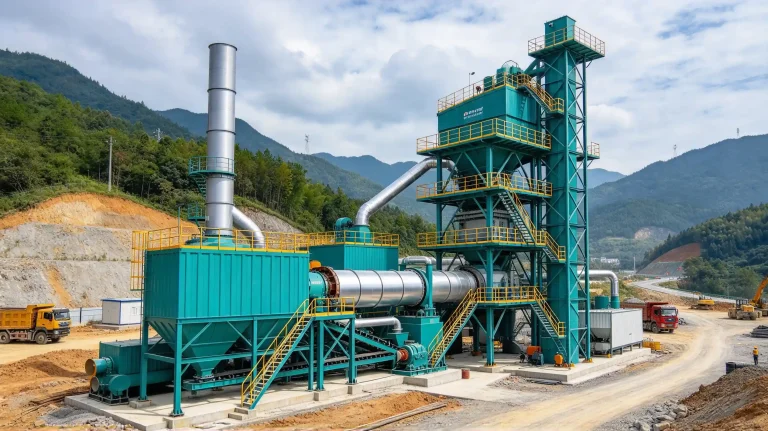
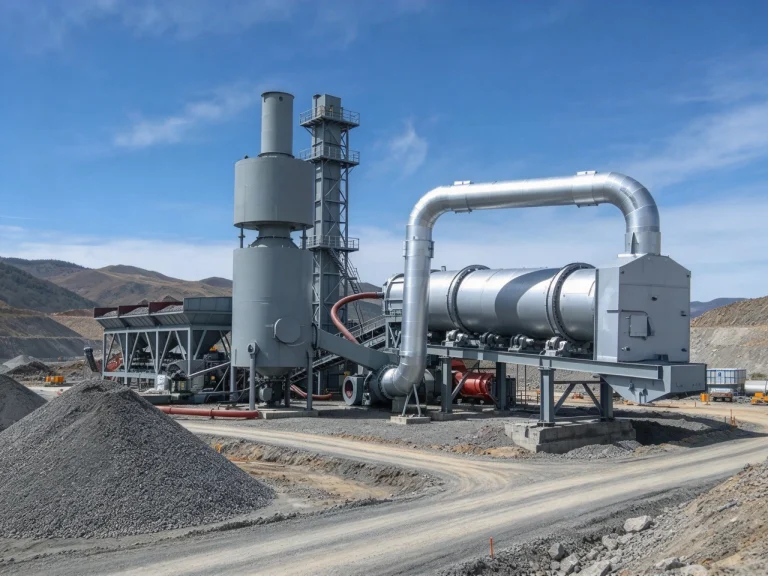
GLB60 Asphalt Mixing Plant (50-80t/h Modular Continuous Asphalt Mixing Plant)
View specs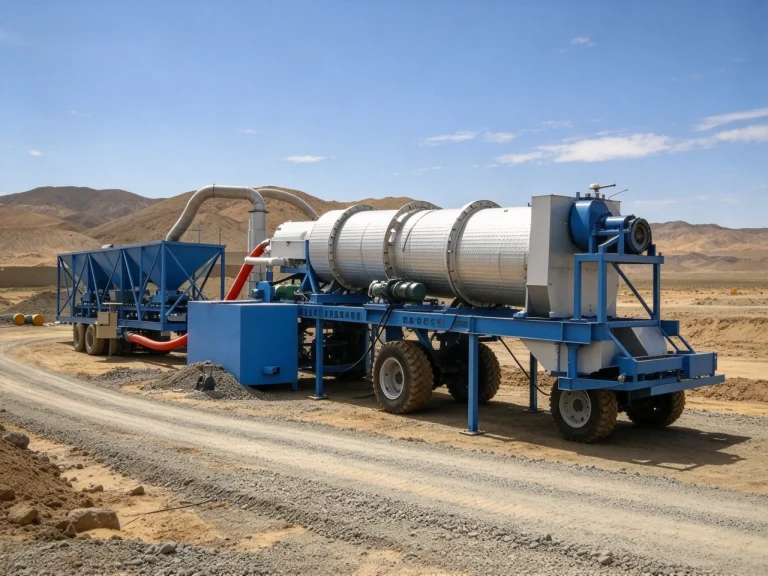
GLB30 Asphalt Mixing Plant (30t/h Mobile Modular Continuous Asphalt Plant)
View specs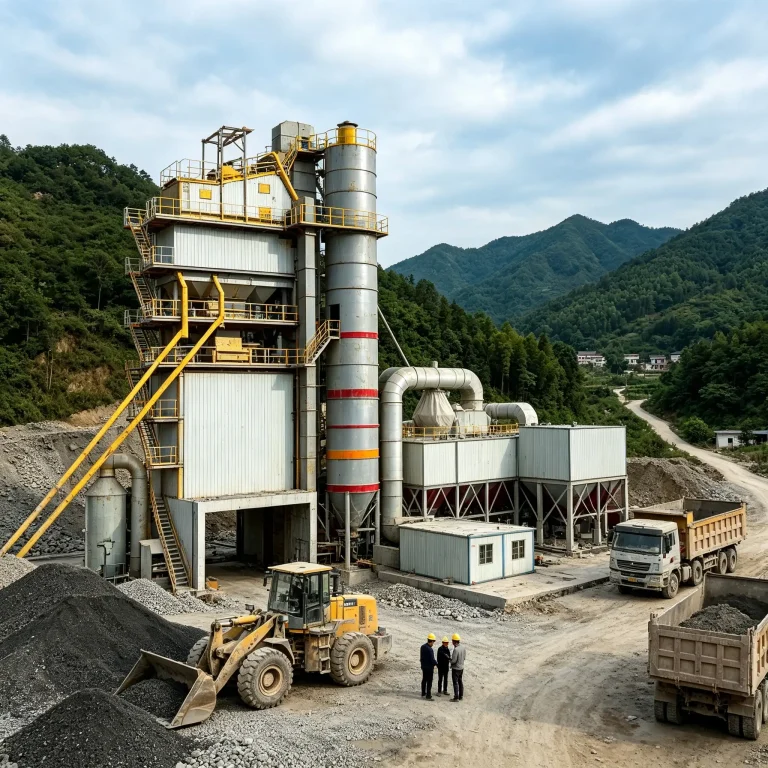
LB4000 Asphalt Mixing Plant (280-340t/h Energy-Saving Modular Asphalt Batching Plant)
View specsRelated guides
Guides