
Asphalt Equipment
RLB2000 Asphalt Hot Recycling Plant (Medium-Large Drum Type RAP Asphalt Processing Equipment)
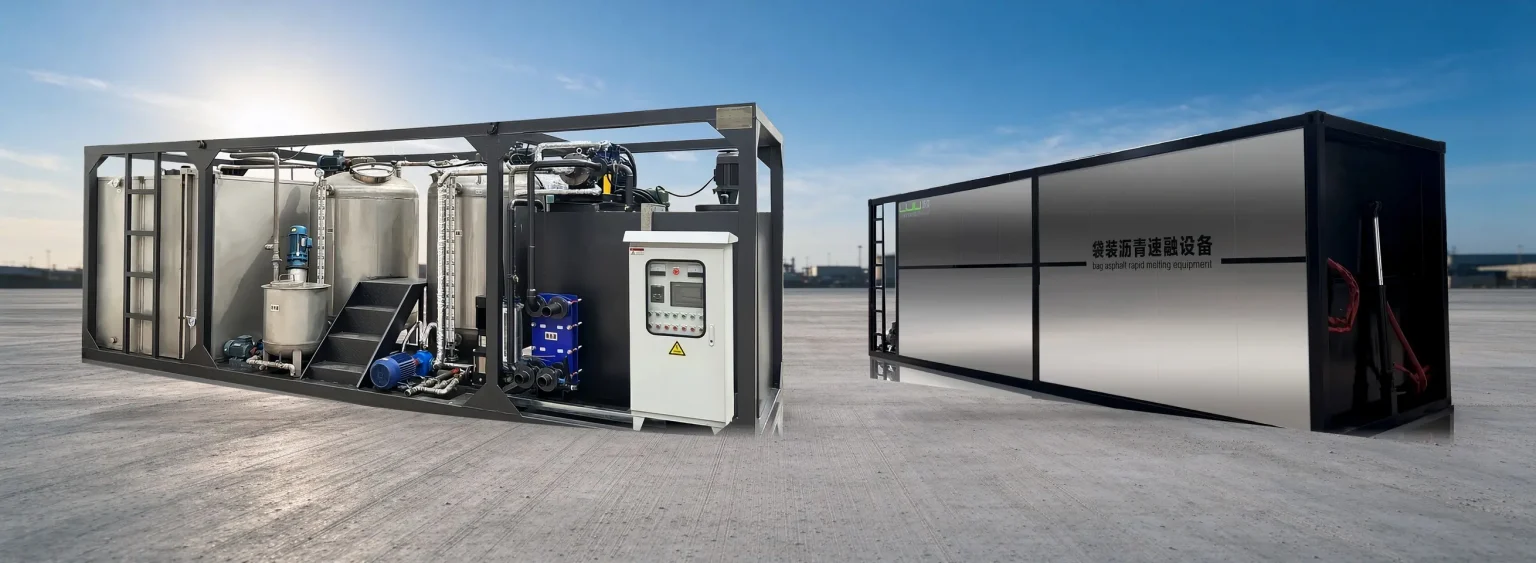
RLB2000 Asphalt Hot Recycling Plant (Medium-Large Drum Type RAP Asphalt Processing Equipment) from LIJIU is built in Dezhou for mixing-plant packages, bagged bitumen melting, emulsion, PMB and AF-BOX foam duty. FOB Qingdao. ISO 9001. Installation guidance and spare parts included in the offer.
US$10,000 – US$300,000FOB Qingdao
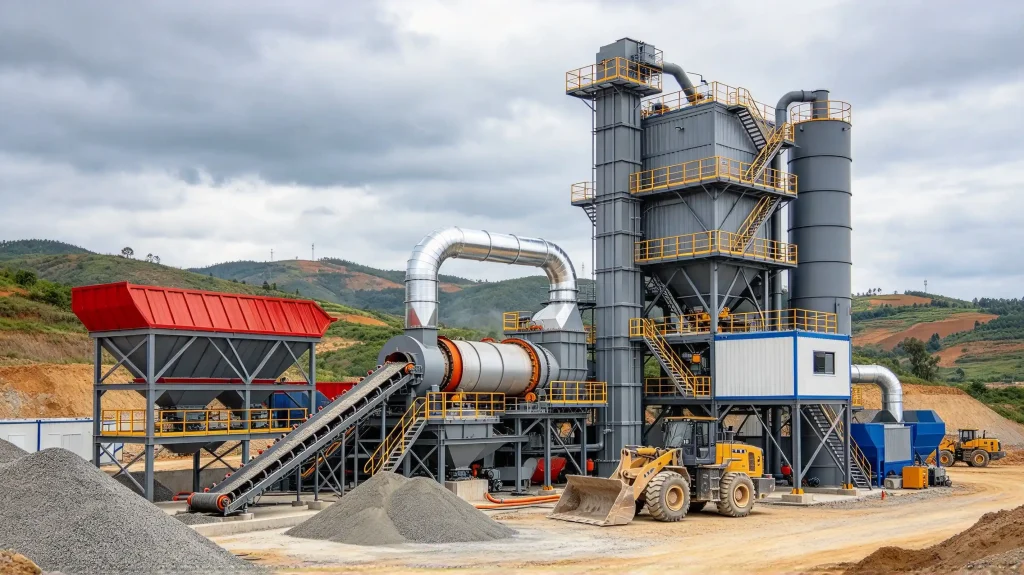
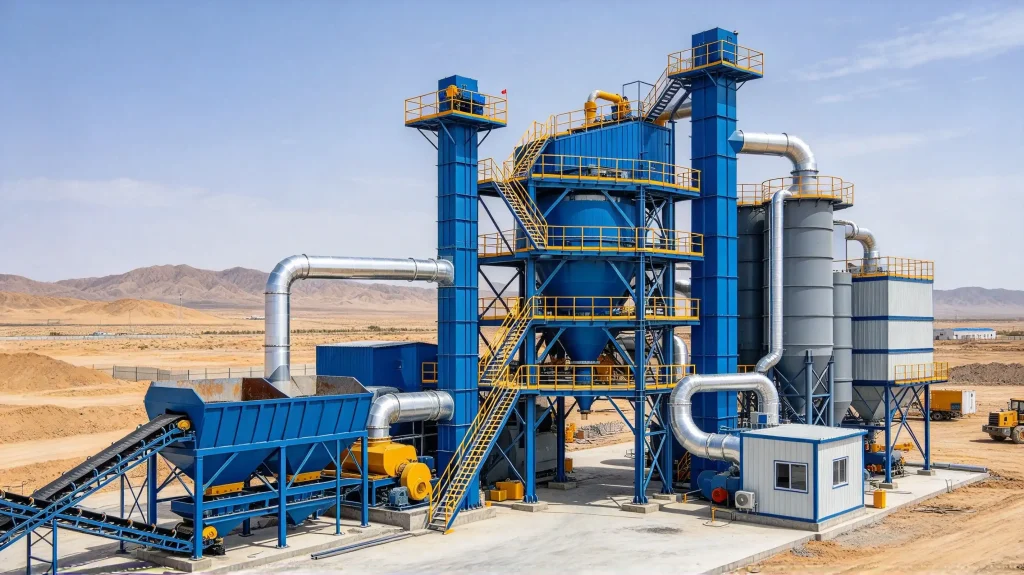
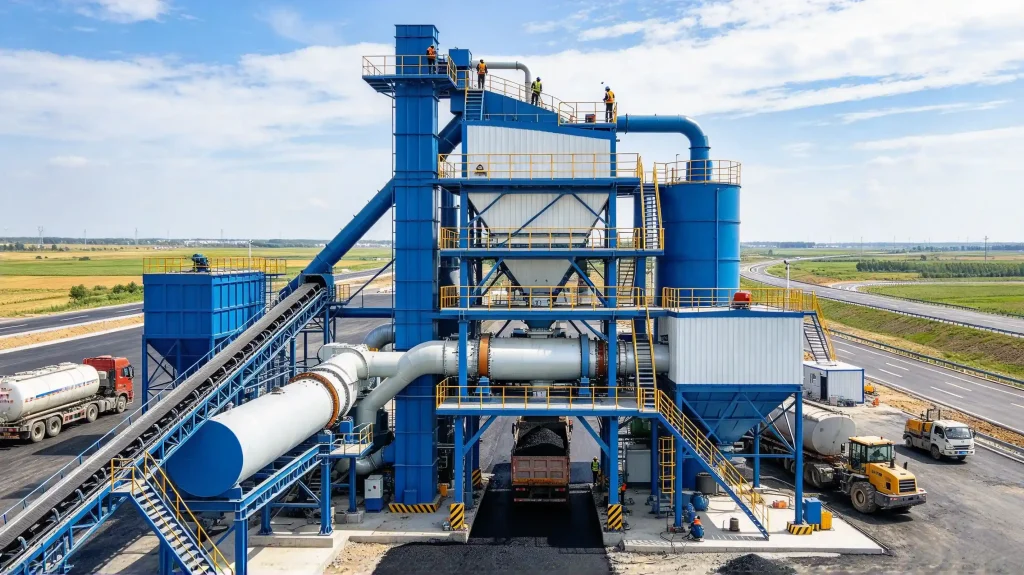
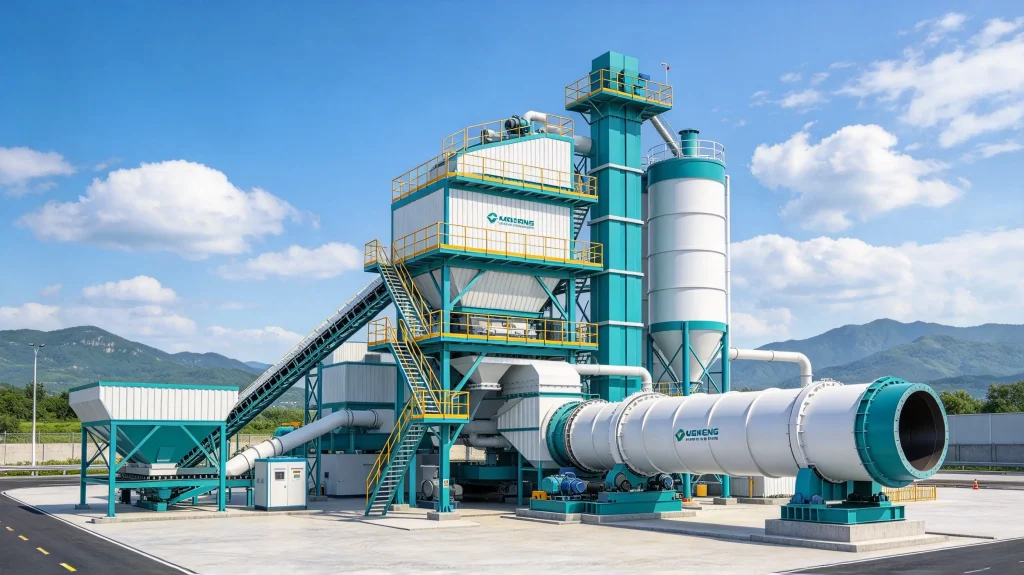
LIJIU · Factory direct · Asphalt plant equipment
RLB Series Asphalt Mixing Plant- Rated Productivity 140~160 t/h
- Total Installed Power 254 kW
- Mixer Capacity 2000 kg
- Fuel Consumption Rate ≤6.5 kg/t
- Weighing Accuracy ±0.5%
- Belt Conveyor Capacity 160-180 t/h
Factory desk: +86 136 3947 0101
RLB2000 Asphalt Hot Recycling Plant (Medium-Large Drum Type RAP Asphalt Processing Equipment) — overview
Overview
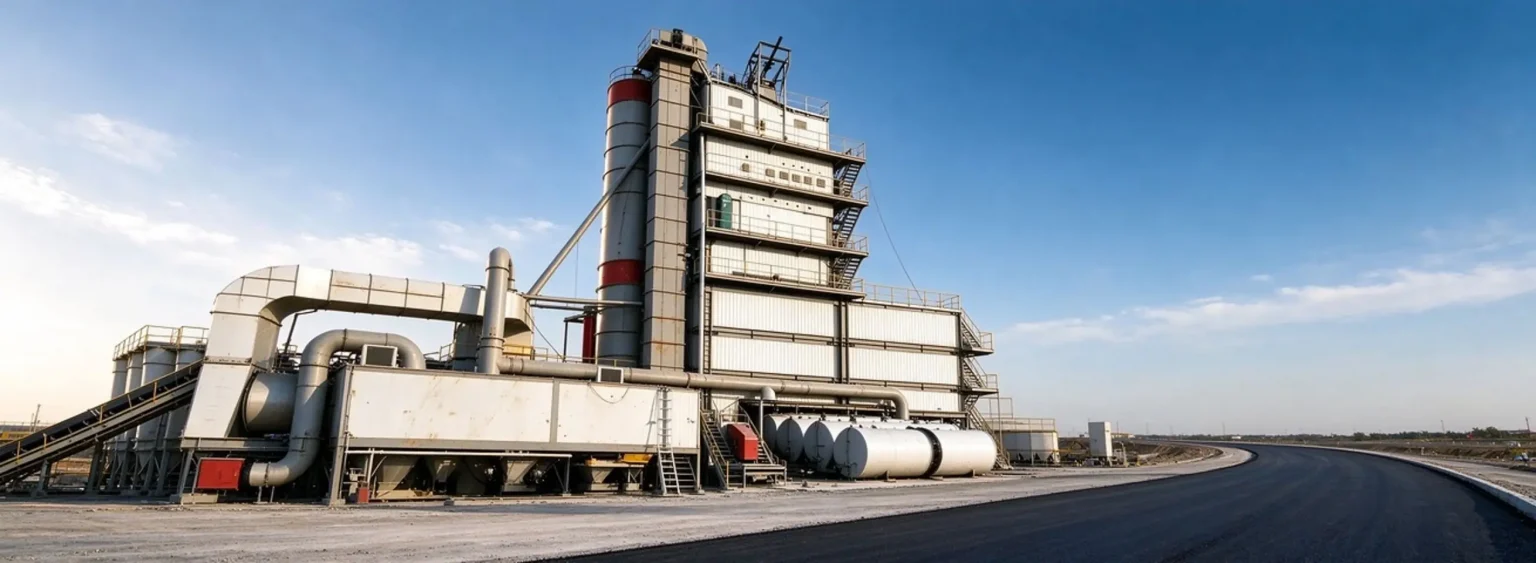
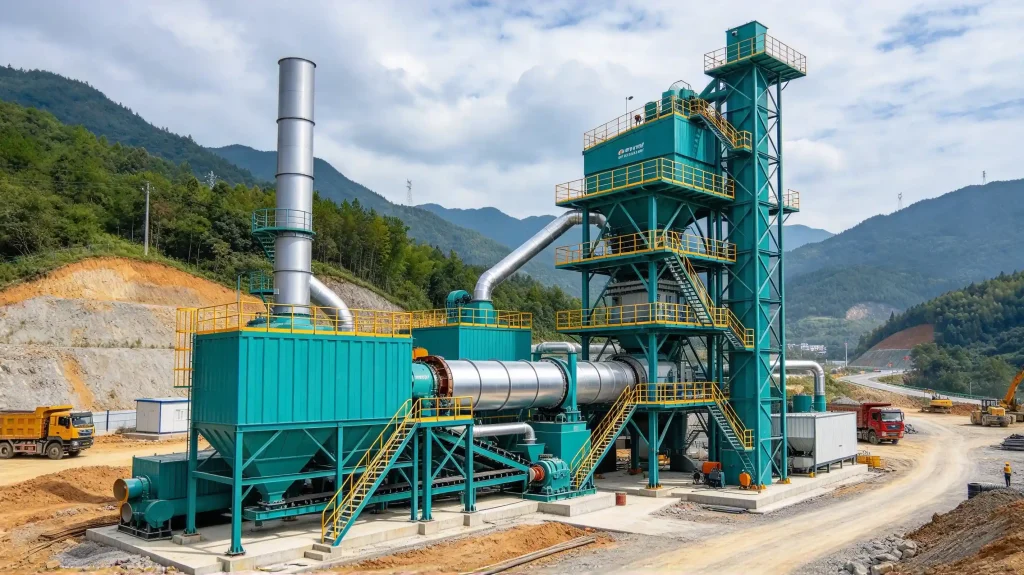
The RLB2000 asphalt hot recycling plant is LIJIU’s plant-mix recycling unit for reclaimed asphalt pavement (RAP). It is rated at 140–160 t/h of recycled mixture throughput and supports a stable maximum 50% RAP addition ratio under standard operating conditions. This unit is purpose-built to pair with existing 2000 and 3000 series forced intermittent batch plants: it processes milled RAP into a metered, dried, regenerated feed that enters the main mixer together with new aggregate, new bitumen and filler — turning a conventional plant into a high-RAP recycling line without replacing the main host.
It follows a dedicated closed-loop process: pre-crushed and screened RAP is stored in a cold feeding bin, metered by a variable-frequency-drive belt feeder, dried in a dedicated recycling drum under temperature-controlled heating, lifted by a sealed elevator, weighed by a high-precision static metering system, and finally mixed in the main mixer with pre-heated new aggregate. Every link of this plant is supervised by the intelligent control system so the recycled mixture meets the same acceptance standard as virgin mix.
Core figures of this unit from the standard configuration: total installed power of 254 kW; a mixer capacity of 2000 kg (shared with the main batch plant); weighing accuracy of ±0.5%; fuel consumption controlled below 6.5 kg per tonne of mixture; RAP drying capacity of 80 t/h at 3% moisture; and a burner that accepts natural gas, light diesel or heavy fuel oil according to site supply. On this plant, the process temperature is held inside the safe recycling window so the aged binder is regenerated rather than overheated.
This unit is engineered around one risk: asphalt aging during reheating. The recycling drying drum uses multi-point distributed temperature sensors that monitor material temperature in real time, and the heating profile avoids the local overheating that burns off the aged binder or produces blue smoke. Because the reclaimed feed on this plant is metered statically at ±0.5% accuracy, the recycled mix keeps a consistent RAP ratio batch after batch — the basis of a stable, repeatable recipe.
Typical projects for this unit are highway and municipal rehabilitation jobs with milled-off asphalt to process: expressway overlay and mid-depth repair, urban main-road renovation, and maintenance campaigns that generate thousands of tonnes of RAP each season. The environmental case is direct — reusing the milled material cuts virgin aggregate and bitumen consumption, lowers the carbon footprint of the wearing course, and keeps the site’s emissions inside tender limits.
Retrofitting is the practical strength of this plant: it ties into an existing 2000 or 3000 series forced intermittent mixing plant without replacing the original mixer or other core units. The dedicated recycling modules of this unit — cold feed, recycling drum, sealed elevator, metering and control — are added to the tower, and all original functions of the existing plant are retained. Piping, thermal oil and electrical interlocks are confirmed before the skid is frozen so the shutdown stays short.
RAP consistency is the first variable in recycling with this plant. The RLB2000 assumes a disciplined stockpile: reclaimed material broken and screened to a consistent top size, segregated by source, and tested for moisture before the run. When milled asphalt comes from different roads, the aged binder properties differ, so re-extraction and re-testing keep the dosage basis honest. The plant team confirms the RAP data and the target recycled binder grade with the factory before the configuration sheet is frozen.
From the LIJIU works, the RLB2000 is supplied factory-direct with ISO 9001 documents, English drawings, seaworthy packing for FOB Qingdao shipment, installation guidance, operator training and a first-year wear-parts list. Send the RAP tonnage, target RAP ratio and existing plant model with your inquiry; a configuration sheet with scope, lead time and the FOB price is returned within 24 hours.
RLB2000 asphalt hot recycling plant Working Principle
The whole production process runs as a highly coordinated closed-loop system with precise control at every link. It has six steps, and the sequence is designed around one priority: regenerate the aged binder without overheating it.
- RAP crushing and screening. Milled RAP is pre-crushed and screened to a consistent top size so the material feeds and meters uniformly. Oversize lumps are removed before the cold bin; a stable particle size is the precondition for a stable recycled mix.
- RAP cold feeding. The screened RAP is stored in the cold feeding bin, and the variable-frequency-drive controlled belt feeder adjusts the feeding speed to hold a stable, consistent material flow into the recycling drum.
- Recycling drying and reheating. Inside the dedicated recycling drying drum, multi-point distributed temperature sensors monitor the material temperature in real time to avoid local overheating that would cause asphalt aging. The material is heated to the preset target temperature with the burner set for natural gas, light diesel or heavy fuel oil.
- Sealed lifting. After reaching the target temperature, the recycled materials are lifted by a dedicated sealed elevator to the high-precision metering system. The sealed transport keeps heat in and dust out of the transfer.
- Static weighing. The metering system completes static weighing at an accuracy of up to ±0.5%. The accurately proportioned recycled material is held until the main mixer is ready to receive it, keeping the RAP ratio inside the recipe tolerance.
- Mixing in the main batch plant. The weighed recycled material is sent to the main mixer, where it is fully mixed with pre-heated new aggregate, new asphalt and mineral filler. The twin-shaft forced mixer blends the regenerated binder with the fresh binder to produce the finished recycled asphalt mixture.
The entire intelligent control system adjusts parameters automatically in real time according to production data, synchronizing feeding, drying, weighing and mixing cycles. The result is a continuous, stable quality of the final finished asphalt mixture — with the aged binder restored rather than thinned, and the plant kept inside the safe temperature window.
In plant-mix recycling, batch timing matters as much as temperature: the recycling line must deliver its weighed RAP feed exactly when the main mixer is ready to receive it, so the recycled material is not held so long that it cools or over-heats. The control system coordinates the two lines — the new aggregate cycle and the RAP cycle — into one batch sequence, which is what keeps a 50% RAP recipe stable at full production rate.
Testing the recycled binder is part of the RLB2000 operating routine, not an option. Before a recycling run, the aged binder is extracted from the RAP and its penetration and softening point are measured; the RAP ratio and, if needed, a rejuvenator dosage are set against those numbers. During production the discharge temperature is held inside the safe recycling window, and spot checks on the recovered binder confirm that the mix is regenerated rather than over-softened. This is the difference between a recycling line that simply reuses RAP and one that meets the same acceptance tests as a virgin mix.
Environmentally, the RLB2000 pays back on both sides of the ledger: it reuses milled asphalt that would otherwise go to landfill or a permanent stockpile, and it cuts the demand for virgin aggregate and new bitumen per tonne of mixture. For tenders with carbon or emission clauses, the recycling line also lowers the energy input per tonne compared with producing the same tonnage entirely from virgin materials.
Product images
Related equipment and guides
Standards and references
Specifications on this page follow European Asphalt Pavement Association — Industry standards. Ask us for the full test report when you request a quote.
Applications
Applications
New asphalt mixing plants, plant upgrades, bagged-bitumen melting on remote sites, emulsion or PMB terminals, and foam retrofit on existing batch plants.
High-grade expressway asphalt pavement maintenance and reconstruction projects
Medium and large-scale renovation and fine upgrading projects of national and provincial trunk highways
Asphalt pavement renovation and reconstruction projects for urban municipal roads
Asphalt surface layer recycling and repair construction of airport runways
Asphalt mixture production for port heavy-load roads in port areas
Construction projects of special heavy-load transport roads in industrial parks
Large-scale resource utilization projects of milled old asphalt pavement materials
Special production of recycled mixture with RAP content ≥50%
Mass preparation scenarios of environment-friendly low-carbon asphalt mixture
Collaborative production supporting with original 2000/3000 type asphalt mixing plants
Long-term performance improvement projects of asphalt pavements with medium traffic flow
Centralized plant-mix hot recycling processing stations for regional asphalt pavements
100% recycling demonstration projects of old asphalt pavement materials
Customized production of recycled asphalt mixture for heavy-load traffic sections
Production scenarios of low-temperature crack-resistant recycled mixture in alpine and cold regions
Why contractors specify this line
Advantages
Adopts European advanced technology with independent intellectual property rights, featuring stable and reliable performance
Unique heating design effectively prevents asphalt aging during RAP material processing
Multi-point temperature monitoring system on flue and discharge port ensures production safety
Maximum hot recycled material addition ratio reaches 50%, meeting international top-level standards
All emission indicators including RAP burning loss and blue smoke discharge exceed national standards
High-precision metering system with static accuracy up to ±0.5% guarantees mixture quality
Low fuel consumption rate ≤6.5kg per ton of mixture, realizing excellent energy-saving effect
Highly intelligent control system simplifies operation and reduces labor intensity
Modular structure supports quick disassembly and assembly, adapting to different site conditions
Compatible with multiple fuels including natural gas, diesel and heavy oil for flexible application scenarios
Specifications
Specifications
Values below come from the product record. Freeze them on the approval drawing before you put them in a bid.
| Item | Value |
|---|---|
| Rated Productivity | 140~160 t/h |
| Total Installed Power | 254 kW |
| Mixer Capacity | 2000 kg |
| Fuel Consumption Rate | ≤6.5 kg/t |
| Weighing Accuracy | ±0.5% |
| Belt Conveyor Capacity | 160-180 t/h |
| Cold Bin Volume | 9 m³ |
| Standard Matched Original Mixing Plant | 2000/3000 Type Asphalt Mixing Plant |
| Product Type | Asphalt Hot In-Plant Recycling Equipment |
| Model Abbreviation | 2000 |
| Rated Capacity | 60-80 t/h |
| Cold Screening Capacity | 100 t/h |
| Recycling Maximum Drying Capacity (3% Moisture Content) | 80 t/h |
| Drying Drum Productivity | 60-80 t/h |
| Elevating Capacity | 80-100 t/h |
| Recycled Material Elevator Maximum Conveying Capacity | 180 t/h |
| Hot Aggregate Bin Volume | 4.5 m³ |
| Side-mounted Finished Material Weighing Bin Volume | 1.5 m³ |
| Recycling Hot Material Bin Volume | 4 m³ |
| Recycling Weighing Bin Volume | 1 m³ |
| Recycled Material Buffer Bin Effective Volume | 7 m³ |
| Recycled Material Weighing Hopper Effective Volume | 1.1 m³ |
| Loading Width | 3.5 m |
| Feeding Height | 2.65 m |
| Aggregate Static/Dynamic Weighing Accuracy | ±0.5/±2.5% |
| Filler Static/Dynamic Weighing Accuracy | ±0.5/±2.5% |
| Asphalt Static/Dynamic Weighing Accuracy | ±0.5/±2.5% |
| Belt Feeder Belt Width | 600 mm |
| Belt Feeder Speed Regulation Mode | Frequency Conversion Speed Regulation |
| Belt Feeder Output Regulation Ratio | 10:1 |
| Belt Feeder Output Range | 0.1~100 t/h |
| Drying Drum Model | DDS185 |
| Drying Drum Diameter | 2200 mm |
| Drying Drum Length | 10 m |
| Drying Drum Inclination Angle | 3.0° |
| Recycling Drum Size (Diameter × Length) | 1.7 m × 8 m |
| Burner Model | CBS FOL-750PV |
| Burner Fuel Type | Natural Gas, Heavy Oil/Light Oil Optional |
| Burner Regulation Ratio | 1:8 |
| Fuel Consumption (Rated Condition, Diesel) | ≤6.0 kg/ton of Mixture |
| Recycling Asphalt Fume Treatment Method | Secondary Combustion + Bag Dust Removal |
Installation and commissioning
Process
-
01
Interface check
Foundations, power, fuel, existing tower piping and target tph.
-
02
Set-down
Unpack, align, pipe, cable, insulate and check safety valves.
-
03
Cold and hot commissioning
Interlocks, temperature curves, foam or mill stability, weigh accuracy.
-
04
Handover
Trial-production log, operator training, maintenance interval and wear-parts list.
RLB2000 Asphalt Hot Recycling Plant (Medium-Large Drum Type RAP Asphalt Processing Equipment) FAQ
Can this equipment be directly installed on my existing 2000 asphalt mixing plant without replacing the main host?
Yes, RLB2000 is specially designed for retrofitting existing 2000 and 3000 series forced intermittent asphalt mixing plants. You do not need to replace the original main mixer, only need to add the corresponding recycling function modules to complete the transformation. This can save you a large amount of unnecessary equipment investment while retaining all the original functions of your existing mixing plant.
What is the maximum RAP content that can be achieved in actual continuous production?
Under the condition that the gradation of RAP materials is stable and the operation parameters are set reasonably, the equipment can achieve a stable 50% RAP addition ratio for continuous production. Even under the conventional production state of most projects, it can easily maintain a 30% to 40% RAP content, which can greatly reduce your raw material procurement cost.
How long is the normal equipment delivery cycle after placing the order?」Under conventional production scheduling conditions, the standard delivery cycle of the whole equipment is 4 to 6 weeks. If you have special requirements for customized functions or need to adjust the configuration according to your existing plant, we will communicate with you in advance and confirm the exact delivery time that matches your project schedule.
hat kind of after-sales warranty policy is provided for the equipment?|The whole equipment enjoys a 12-month full warranty from the date of successful commissioning and acceptance. During the warranty period, all non-human-damaged quality problems will be repaired and the corresponding spare parts will be replaced free of charge, and our technical team will provide remote technical support 7×24 hours.
Can the equipment operate stably for a long time in high-cold and high-altitude areas?
Yes, we have made targeted adaptive optimization design for the equipment's low-temperature resistance and power performance. Many of our equipment have been running stably in alpine regions with altitude over 3000 meters for many years, and can normally produce qualified recycled asphalt mixture even in low temperature environment in winter.
What is the service life of the main wear parts of the recycling system?
Under normal operating conditions with standard maintenance, the service life of the drying drum lining plate and the mixing blades in the mixer can reach more than 200,000 batches of production. We will provide you with a list of easily worn spare parts and corresponding maintenance suggestions, which can effectively extend the service life of the parts.
Need an FOB configuration for this model?
Send tph or tonnage, RAP ratio, voltage, fuel and destination port. LIJIU replies within 24 hours with scope, lead time and a spare-parts list. Desk: +86 136 3947 0101
Related models
Related
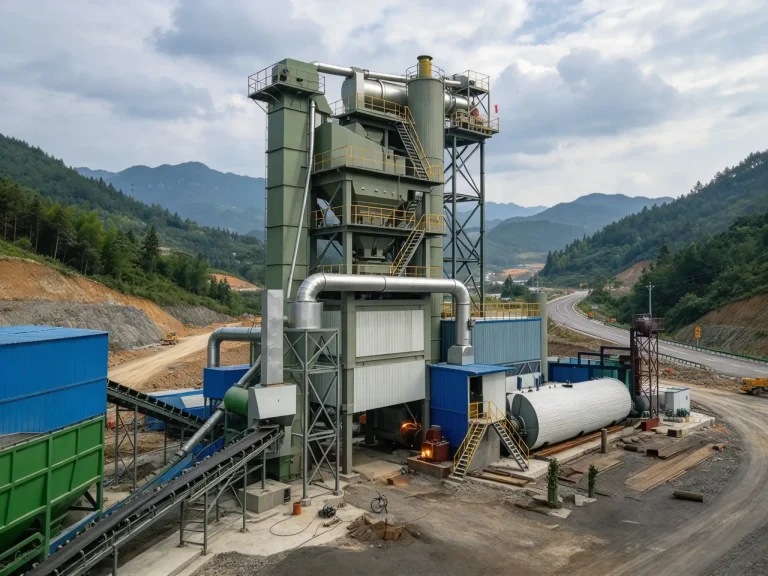
RLB1000 Asphalt Hot Recycling Plant (80t/h Drum Type Asphalt RAP Mixing Equipment)
View specs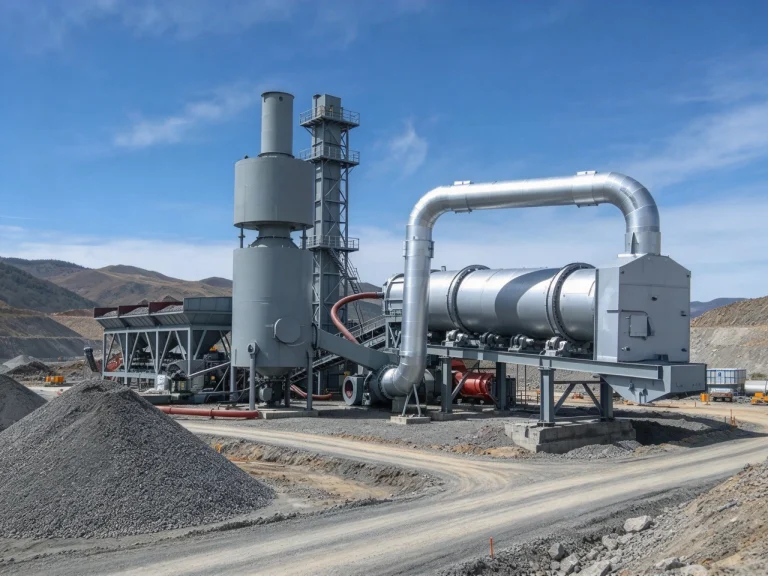
GLB60 Asphalt Mixing Plant (50-80t/h Modular Continuous Asphalt Mixing Plant)
View specs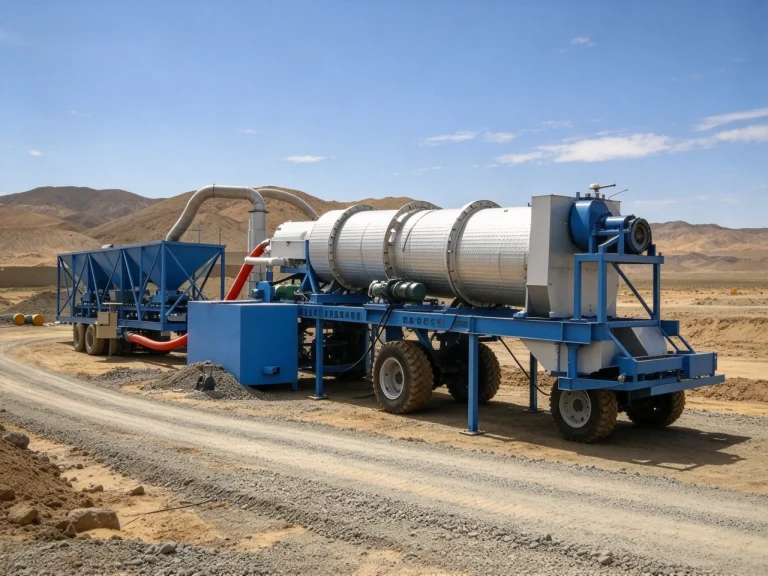
GLB30 Asphalt Mixing Plant (30t/h Mobile Modular Continuous Asphalt Plant)
View specs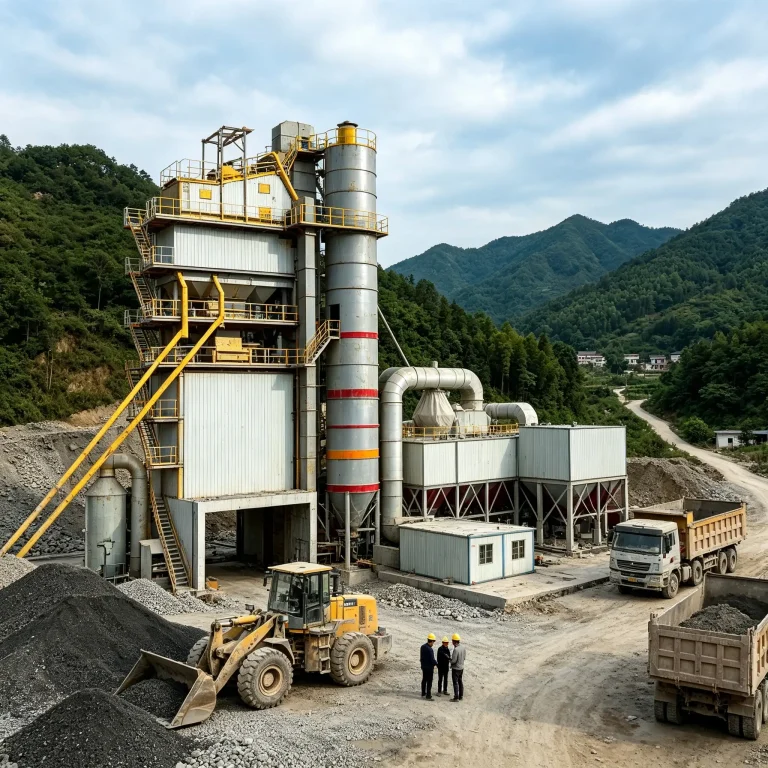
LB4000 Asphalt Mixing Plant (280-340t/h Energy-Saving Modular Asphalt Batching Plant)
View specsRelated guides
Guides