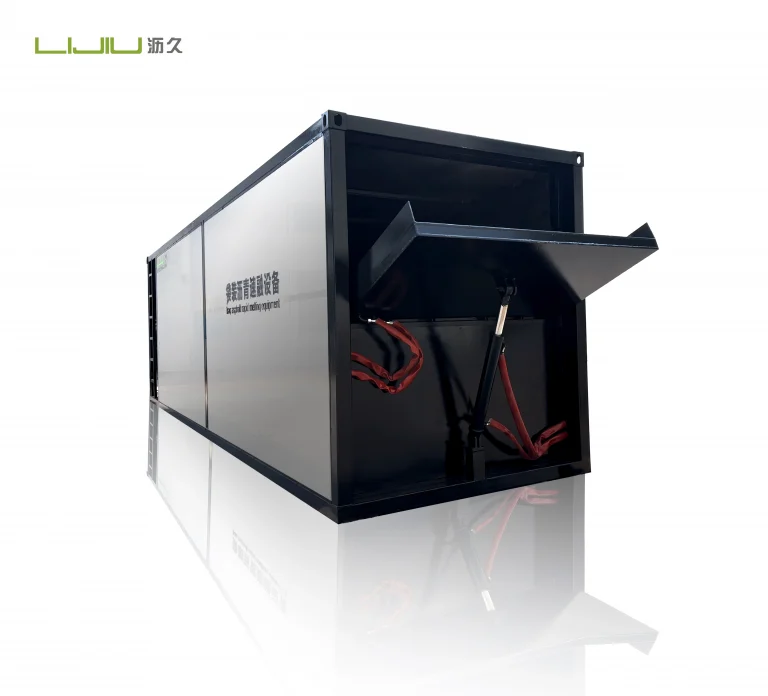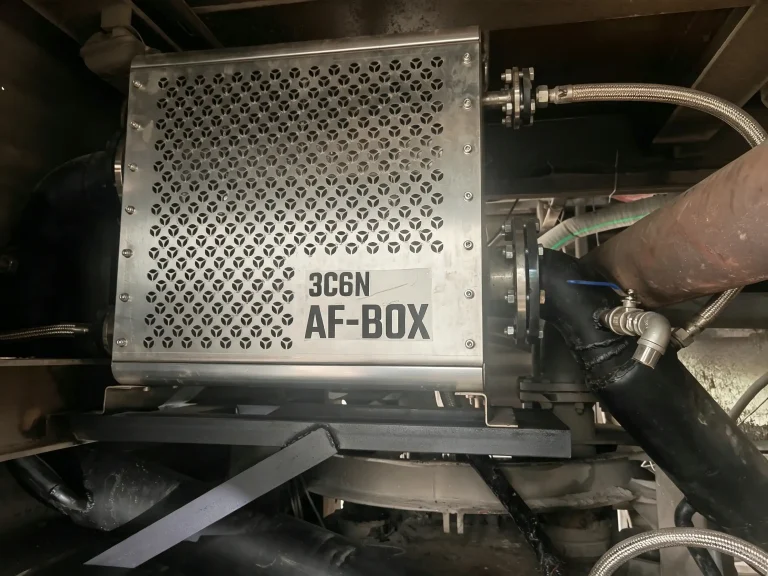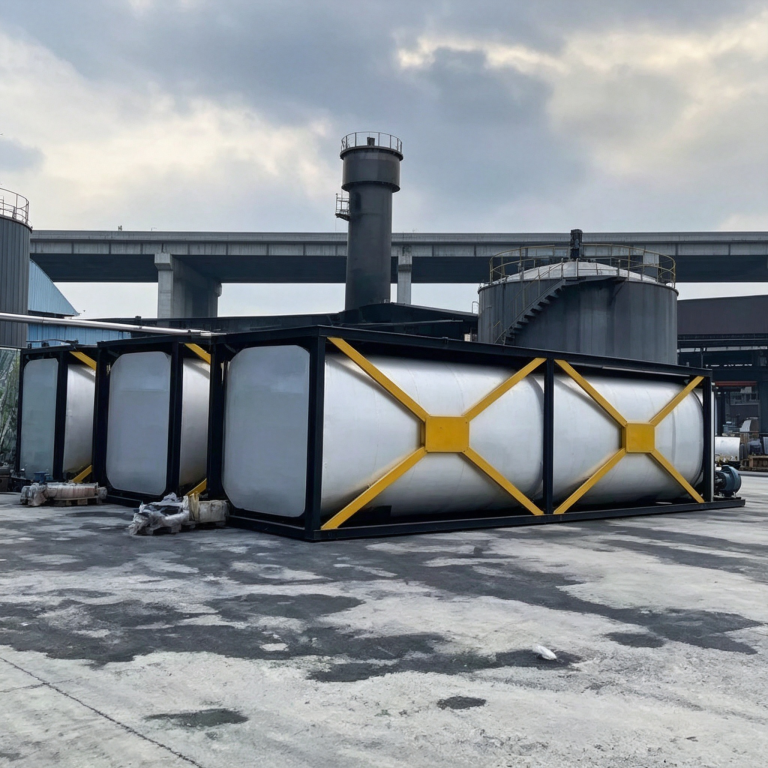



This emulsified asphalt equipment maintenance guide lists the routines that protect the colloid mill, pipelines and control valves between production runs, so emulsion quality stays consistent and unplanned stoppages stay rare. A regular emulsified asphalt equipment maintenance routine also catches seal wear and pH drift before they become batch failures.
Emulsified Asphalt Equipment Maintenance: Overview
The schedule below is written for a bitumen emulsion plant with a colloid mill, heated bitumen circuit, water phase tank with agitator, dosing pumps and a thermal-oil heating loop. Intervals should be shortened when the plant produces polymer-modified or high-residue emulsions, because those formulations leave more material behind in the circuit.
Daily Maintenance
- Flush pipelines and valves with clean water after production to prevent emulsion build-up
- Check water-oil ratio and dosing accuracy
- Inspect pumps for abnormal noise or vibration
- Clean filters and strainers
Colloid Mill Care
- Regularly inspect gap adjustment and rotor and stator wear
- Replace worn parts on schedule
- Never run dry — always prime with bitumen or water before start-up
Weekly and Monthly Checks
- Inspect heating system and temperature sensors
- Check thermal oil level and quality
- Calibrate flow meters
- Inspect valves and seals for leaks
- Clean storage tanks and remove sediment
Common Faults
- Unstable emulsion — check mill gap, temperature and formula ratio
- Pump blockage — flush lines and clean filters
- Temperature fault — check thermal oil level and sensors
LIJIU Tip
Always flush the system after each shift. Small polymer residues quickly harden and clog pumps and nozzles — clean operation is the cheapest maintenance.
Shutdown and Restart Procedure
Plan a deeper service after every extended shutdown. Drain and flush the colloid mill, emulsion lines and storage tanks, then run a short water circulation to confirm pumps and valves respond correctly before the next production day. Keep an up-to-date spare list for seals, gaskets and pump components, and confirm the mill gap is re-checked after major work. A short checklist completed at restart protects months of trouble-free operation.
Managing Emulsifier Stock and Recipe Changes
Keep the emulsifier stock marked by batch and confirm shelf life before each production day. When changing emulsion recipes, flush the circuit and re-check the mill gap so the new batch is not contaminated by the previous formula. If your site runs emulsified asphalt equipment alongside a modified asphalt (SBS) line, keep the two circuits clearly separated at the valves, because a small carry-over of polymer-modified binder changes the viscosity of the next emulsion batch.
A Preventive Maintenance Schedule You Can Follow
Daily flushing keeps the plant clean, but it is the weekly and monthly services that decide how long the mill and the pumps last. The schedule below spreads the work so no single shift carries too much.
- Every shift: flush lines, check the water-to-oil ratio, inspect pumps for noise and clean the strainers.
- Every week: verify the mill gap against the recipe, inspect rotor and stator wear, check thermal-oil level, and test the temperature alarms.
- Every month: calibrate the flow meters, inspect all valves and seals, clean the storage tanks and confirm the emulsifier dosing pumps deliver within tolerance.
- Every quarter: sample and test stored emulsion for residue content and storage stability, and inspect the mill bearings and drive coupling.
Record the mill gap after every adjustment. It is the single setting that most changes emulsion quality, and without a written value the next shift has no baseline to return to.
Wear Parts and Their Service Life
Emulsion plants consume a predictable set of wearing parts, and knowing their typical life makes ordering straightforward. Rotor and stator sets in the colloid mill wear fastest on abrasive or polymer-modified formulations, and should be inspected every week and measured against the manufacturer’s minimum thickness. Mechanical seals on the bitumen and emulsion pumps are the next item, followed by the emulsion transfer valve seats and the emulsifier dosing pump diaphragms.
Strainer baskets and inline filters are cheap but cause the most frequent stoppages, so keep spare elements on the shelf rather than cleaning the same ones repeatedly. Water phase tank agitators rarely fail mechanically but their shaft seals do, and a leaking seal lets emulsion into the gearbox oil. Check the oil colour at every monthly service — a milky or unusually dark sample points to seal failure rather than to the oil itself.
Winter Shutdown and Restart Checklist
Cold weather is when emulsion plants suffer most, because residual emulsion in the circuit freezes or sets hard and takes the mill with it. Before any extended winter shutdown, drain and flush the mill, the emulsion lines and the storage tanks, and blow the water lines clear. Leave the mill gap open rather than closed, so the rotor and stator cannot corrode into each other.
On restart, circulate hot water through the bitumen circuit before introducing any binder, and bring the thermal-oil system up to temperature slowly so that condensation does not form inside the tank. Re-check the mill gap after the first hour of production, because a plant that has been idle for several weeks often needs one adjustment before it settles back into its normal tolerance. Sites that also operate a modified asphalt (SBS) line should run both plants through the same winter checklist, since they normally share the thermal-oil loop.
Emulsion Storage and Grade Changeover
Storage practice decides whether a good batch of emulsion is still good when it reaches the sprayer. Keep the storage tank at a moderate temperature rather than the maximum the binder will tolerate, because heat accelerates settling. Gently agitate before dispatch if the emulsion has been standing, and never top up a nearly full tank with a freshly produced batch of a different formulation without flushing first.
When switching between a tack coat grade and a polymer-modified micro-surfacing grade, flush the circuit, re-check the mill gap, and produce a short trial batch that is tested before it is pumped to storage. The trial costs a few hundred kilograms of material; skipping it risks contaminating a full tank and has to be weighed against that loss every time. If your site produces emulsion for its own maintenance crews, keep grades separated by tank and label the discharge valve rather than relying on operator memory.
References
Independent background on the practices described on this page is available from the Federal Highway Administration asphalt pavement recycling programme and from the Asphalt Institute. Both are non-commercial industry references and neither is affiliated with LIJIU.
Related Equipment and Guides
Reference Images
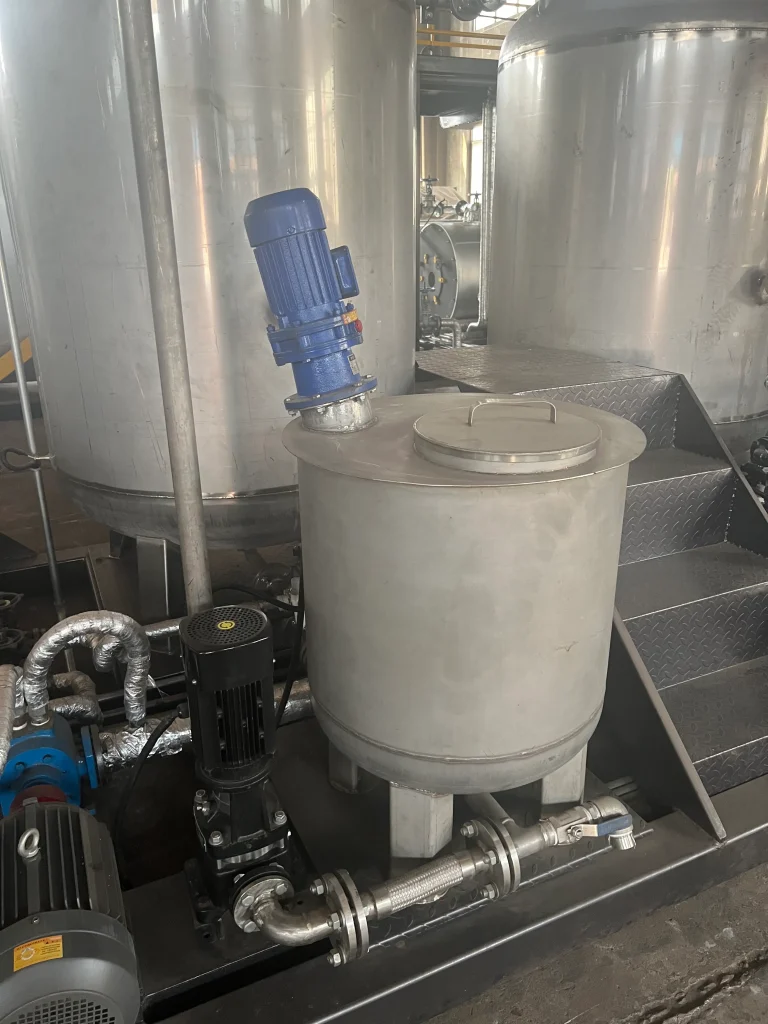
Standards and references
Specifications on this page follow Federal Highway Administration — Asphalt Pavement Recycling. Ask us for the full test report when you request a quote.