
What Is an Asphalt Rejuvenator?
An asphalt rejuvenator is a recycling agent added to hot-recycled asphalt mixtures to restore the properties of aged bitumen. This asphalt rejuvenator buying guide covers the parameters, dosage setting and handling practice to check first. When RAP (reclaimed asphalt pavement) is reused in a new mix, the old binder inside is oxidized and hardened; a rejuvenator re-disperses that aged binder so the recycled mix behaves like a fresh one. The HIRAP series from LIJIU is designed for high-proportion recycling with RAP content above 40%.
The core principle is component activation and restoration: the rejuvenator is rich in aromatic compounds that integrate into aged asphalt and re-disperse over-accumulated asphaltenes, with small-molecule active factors that penetrate the hardened coating on reclaimed aggregate. The result is deep regeneration rather than a surface patch — the oxidized, hardened asphaltenes are re-micellized back toward their original state.
Why High-RAP Recycling Needs a Rejuvenator
Pushing RAP content above 40% runs into three classic problems: the aged binder makes the mix hard to work, oxidation continues faster in recycled mixes, and the finished pavement can turn brittle. A rejuvenator addresses all three at the source by restoring the aged binder to near-original physical indicators instead of masking them with more virgin binder.
In practice this means you can raise the RAP ratio without sacrificing penetration, ductility or softening point — which is exactly the trade-off most plant operators are trying to solve. Without a rejuvenator, every extra percent of RAP costs you workability or performance; with the right agent, the mix keeps behaving like a virgin mix at 40% RAP and above.
Key Technical Parameters to Check
| Parameter | Requirement | Test standard |
|---|---|---|
| Appearance | Dark green, uniform, viscous liquid | Visual inspection |
| Kinematic viscosity (60 °C) | 200-600 mm²/s | GB/T 265 |
| Flash point (open cup) | ≥220 °C | GB/T 3536 |
| Saturates content | ≤20% | NB/SH/T 0509 |
| Aromatics content | ≥70% | NB/SH/T 0509 |
| Density (15 °C) | 0.95-1.05 g/cm³ | GB/T 1884 |
Aromatics content is the number to watch: it is the active ingredient that re-dissolves oxidized asphaltenes. Saturates content should stay low — high saturates means the agent is thinning the binder instead of regenerating it. Ask for the full test report when you request a quote.
What RAP Ratio Can You Reach?
The HIRAP series is formulated for mixtures with RAP content above 40%. As a reference, at a 50% RAP dosage the key indicators of the aged asphalt can be recovered as follows: penetration rises from 20-30 (0.1 mm) back to 60-80 (0.1 mm), ductility increases by more than 20 cm, and softening point settles back into the 45-55 °C range with restored temperature susceptibility.
| Indicator (at 50% RAP) | Aged binder | After rejuvenator |
|---|---|---|
| Penetration (0.1 mm) | 20-30 | 60-80 |
| Ductility | Low | +20 cm or more |
| Softening point | High, unstable | 45-55 °C, stabilized |
The exact recovery depends on your RAP source; the dosage is confirmed by testing your own recovered binder. Ask the supplier for the test method so your laboratory can run the same comparison.
How to Set the Dosage
Dosage is not a fixed percentage. It is determined from the penetration and softening point of the recovered binder, plus the target grading tests. The standard method compares the recovered binder with the target specification using the equal-viscosity curve, then confirms the final dosage by testing. Send RAP extraction data, or a sample of the reclaimed material, when you request a configuration.
Keep RAP quality consistent during the project: if the RAP source or its binder content varies, re-check the dosage rather than relying on the first trial. A small stockpile variation is normal; a different RAP source is not — re-extract and re-test before adjusting production.
Applications of Asphalt Rejuvenator
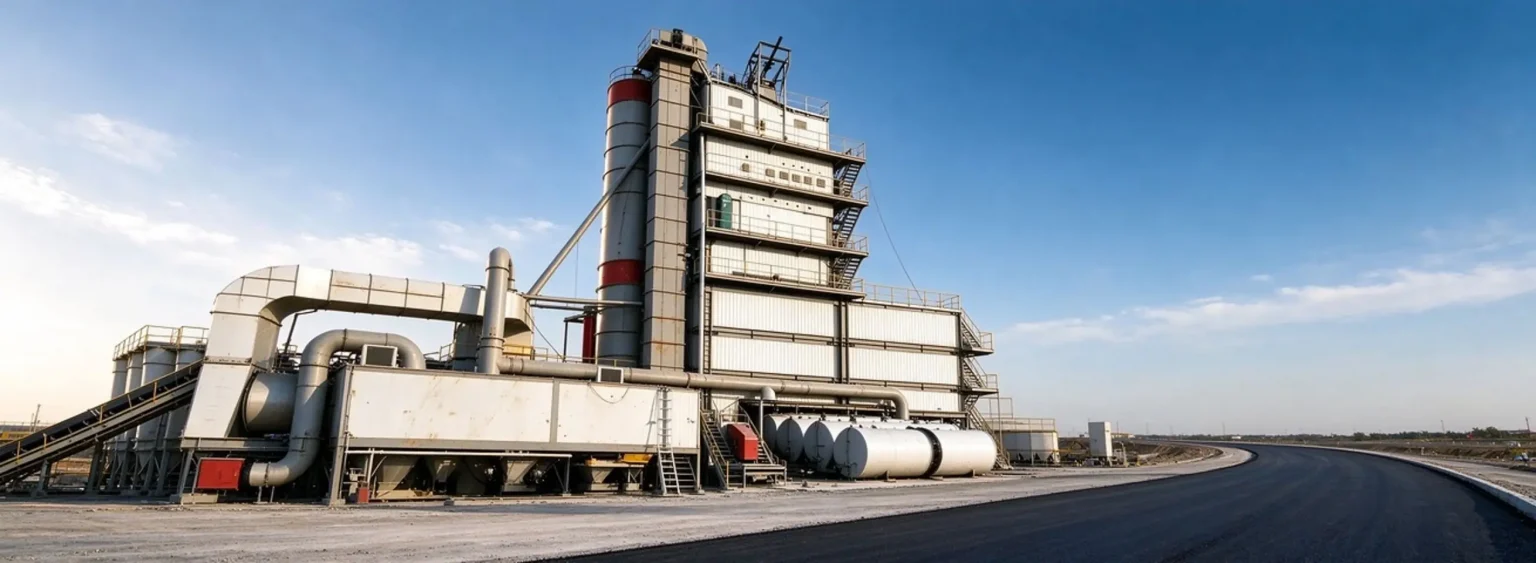
High-proportion RAP hot-in-plant recycling
This is the primary use: plant hot recycling with RAP content above 40%. The rejuvenator restores the aged binder so the recycled mix meets the same specification as virgin mix.
Old highway pavement reconstruction and maintenance
When an old highway is milled and recycled, the reclaimed binder is usually far from spec. Adding a rejuvenator at the plant brings it back, which is what makes milling-and-recycling programs economic.
Municipal road recycled asphalt mixture production
City projects increasingly require a minimum RAP content. A rejuvenator lets the plant meet that requirement while keeping penetration and ductility within the municipal specification.
Bus lanes, landscape roads and thin overlays in hot climates
In tropical and high-temperature regions, the warm-mix effect of the rejuvenator helps with thin overlays on existing asphalt, and the restored binder resists the aging that hot climates accelerate.
Adding and Mixing Process
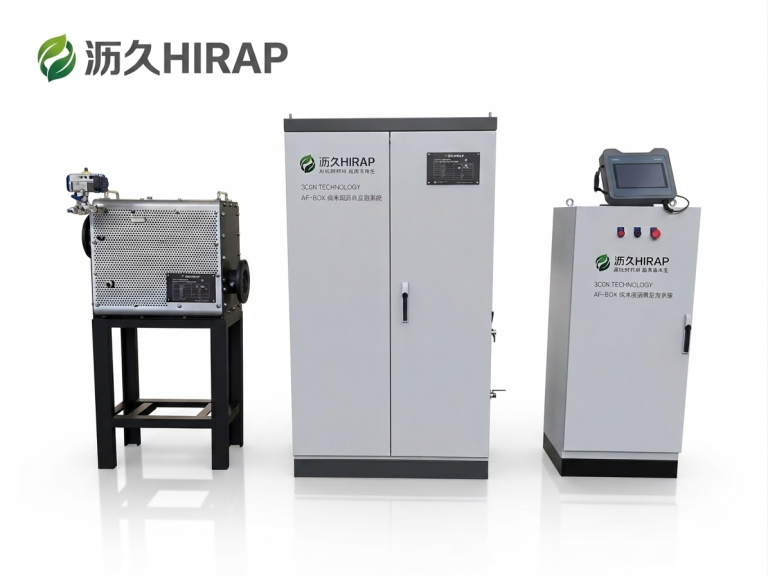
Use a dedicated liquid additive metering machine and spray the rejuvenator evenly into the mixing tank. Keep the mixture discharge temperature within 155-165 °C so the reaction completes and the rejuvenator has time to work through the aged binder. This is a plant-side process; the rejuvenator is a liquid additive, not a mix-in at the paver.
Even spray distribution matters: a rejuvenator that pools in one corner of the drum leaves part of the batch under-treated. Calibrate the metering pump before the run and check the batch temperature at the discharge point, not just at the burner.
Warm-Mix Effect and Emissions
Besides restoring the binder, the HIRAP rejuvenator brings a warm-mix effect: mixing and compaction temperatures can be lowered, and blue-smoke emission on the job site is cut. That matters for projects with emission limits or night-work restrictions, and it improves working conditions around the plant and paver.
Plant Recycling vs. In-Place Recycling
The rejuvenator works in both plant hot recycling and in-place hot recycling to restore the aged binder and raise RAP use. High-RAP schemes are often combined with micro-foamed warm mix: the rejuvenator restores binder activity while micro-foaming improves mixing and workability at lower temperatures. If your plant already runs foam or warm-mix equipment, ask how the two combine before specifying.
Common Mistakes to Avoid
- Guessing the dosage. Dosage follows the recovered-binder test and the equal-viscosity curve, not a rule of thumb.
- Skipping RAP extraction. Without extraction data you are dosing blind; send samples or data to the supplier.
- Under-temperature mixing. Below the 155-165 °C window the rejuvenator does not react fully and the mix shows poor recovery.
- Uneven spraying. A poorly calibrated metering pump leaves part of the batch under-treated.
- Ignoring RAP variation. A different RAP source or a big binder-content change needs a new dosage check.
Packaging, Storage and Logistics
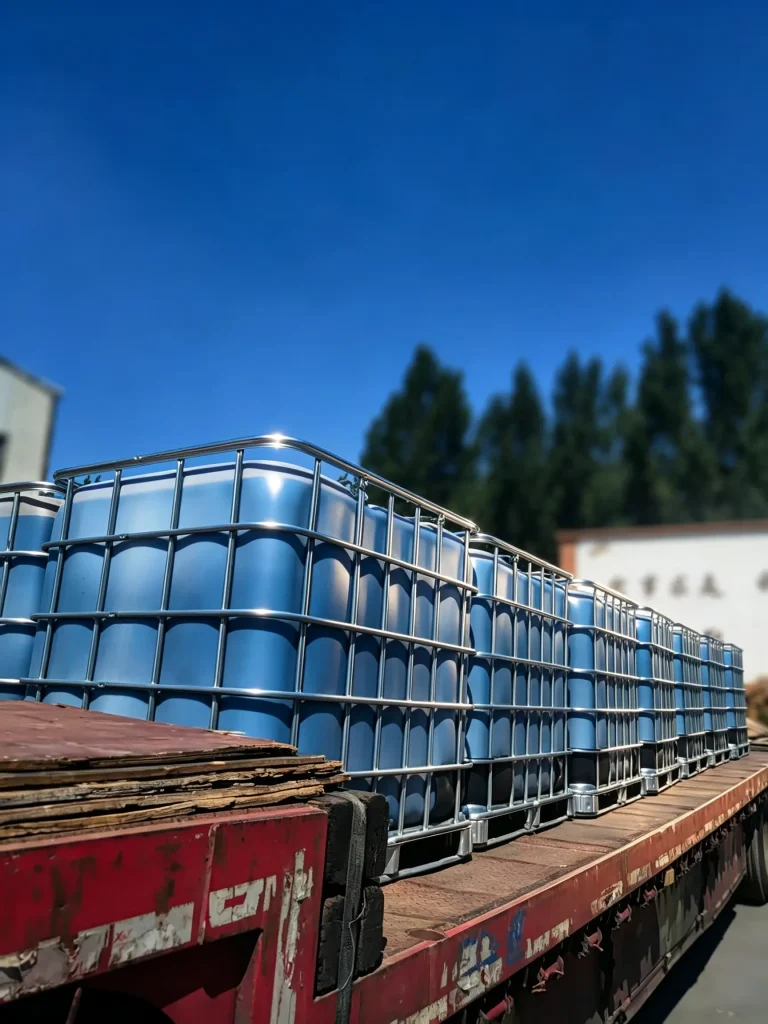
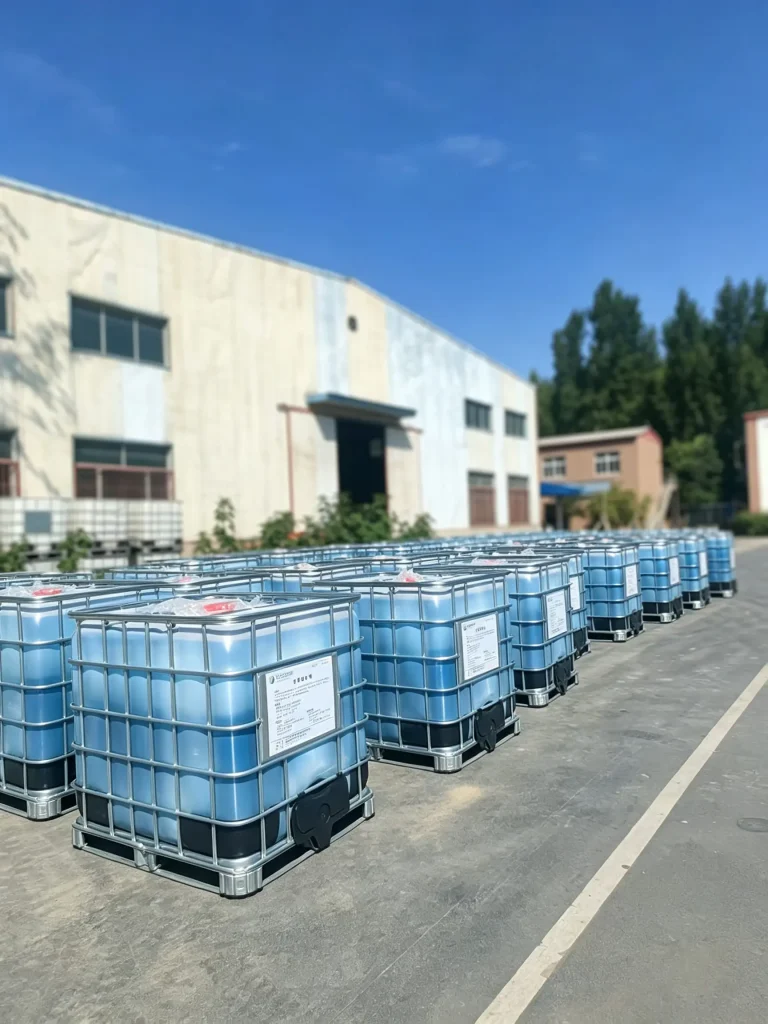
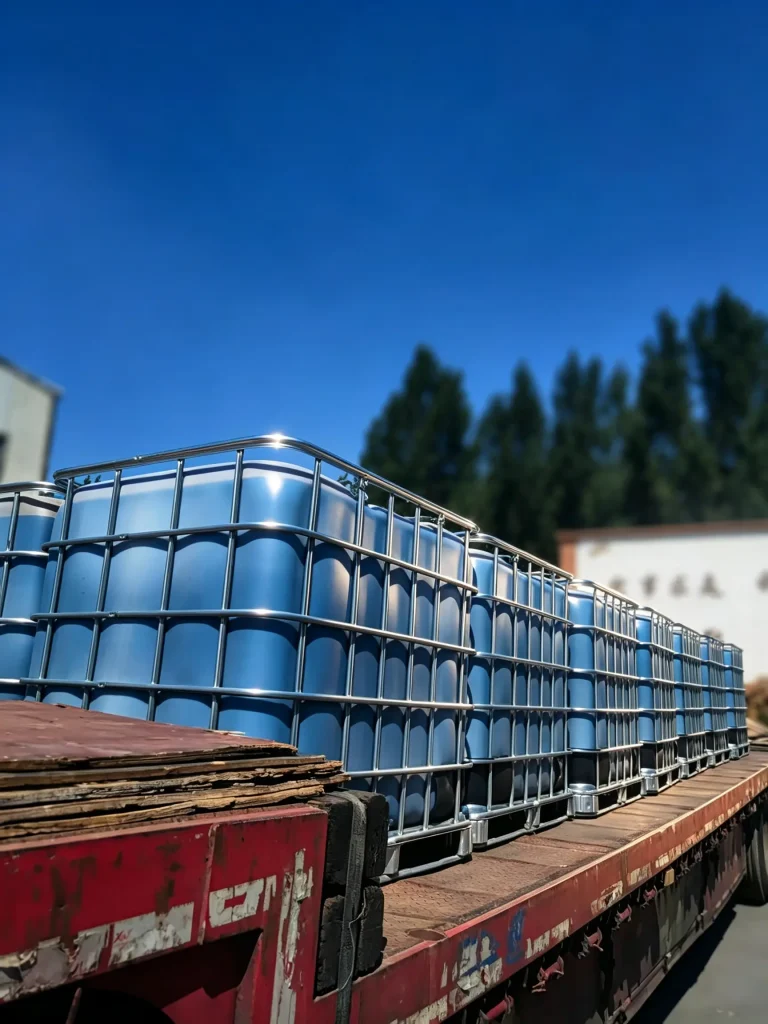
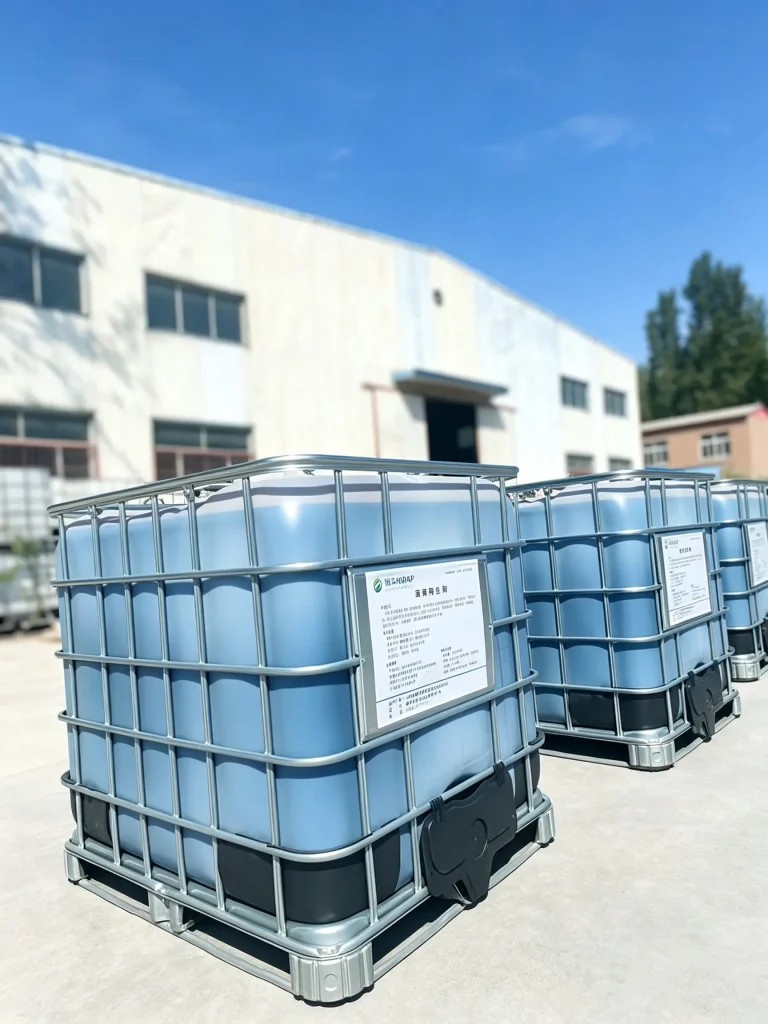
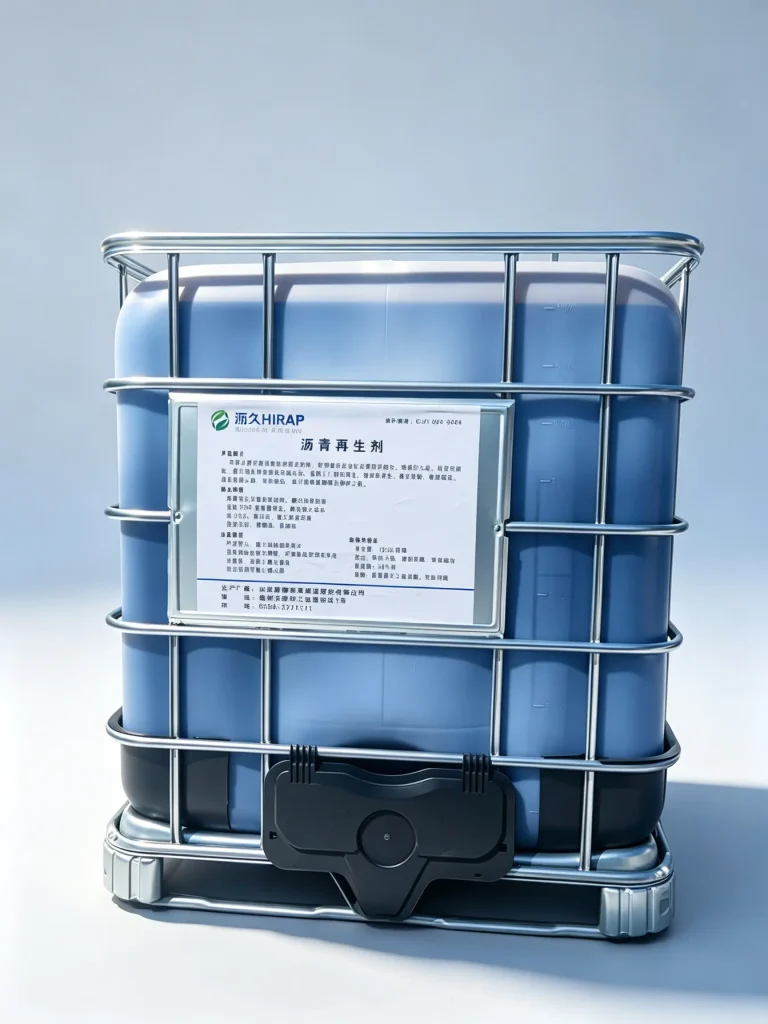
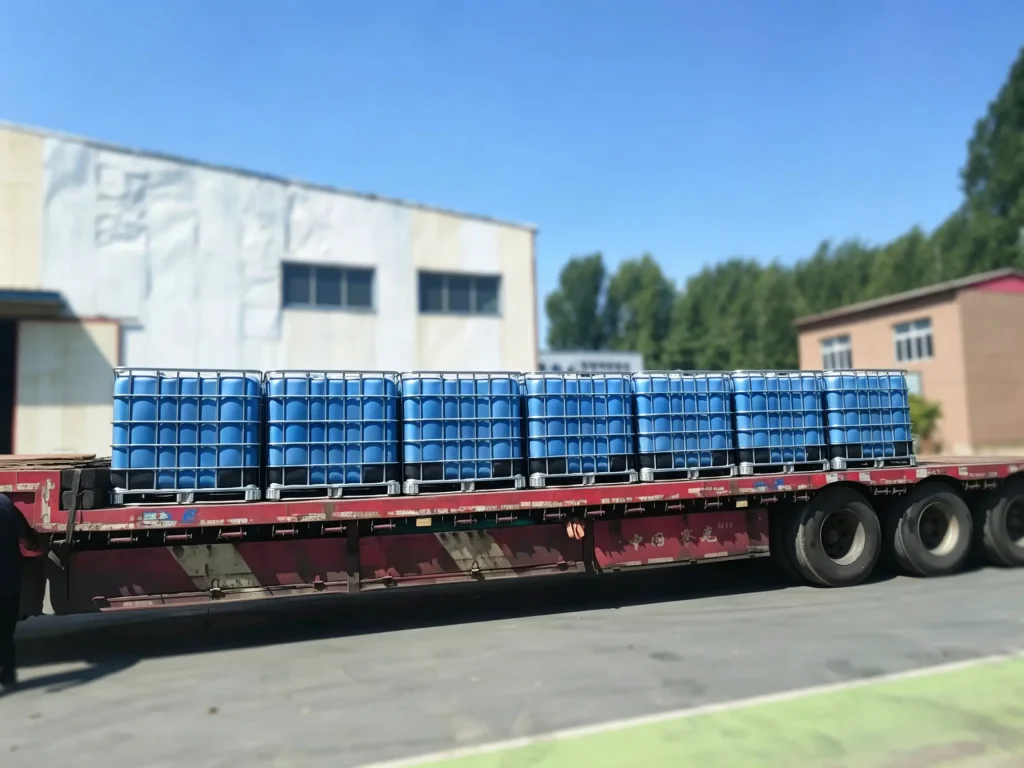
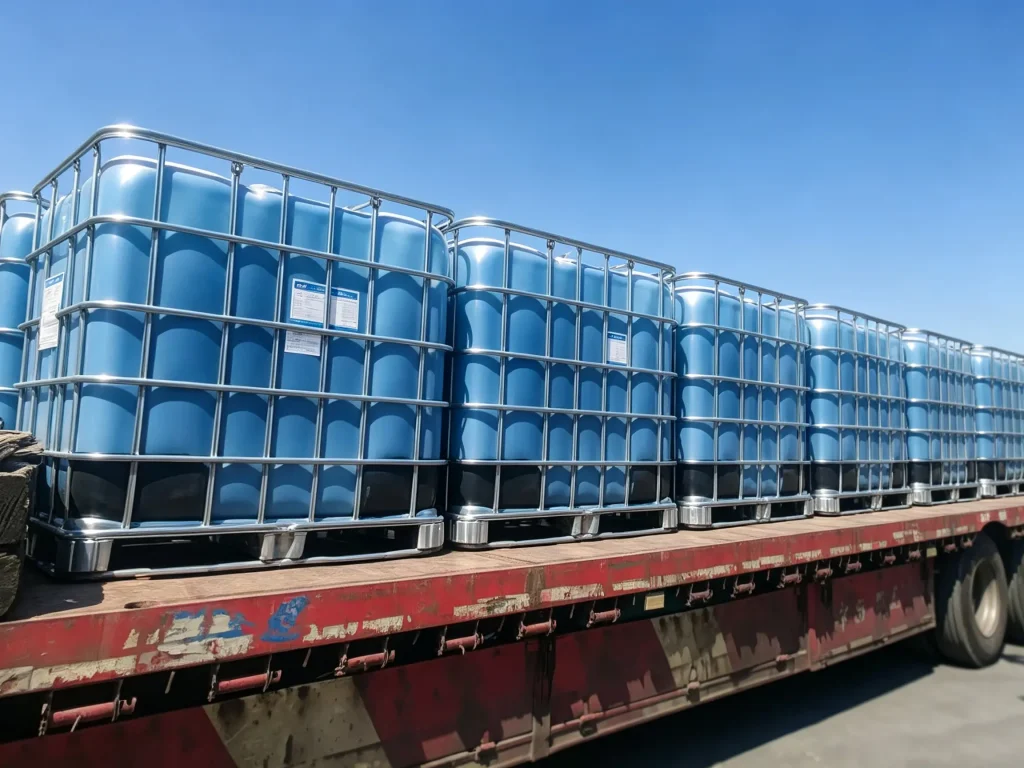
The HIRAP rejuvenator is supplied in 1000 L IBC ton drums. Store it in a cool, dry place with a shelf life of 24 months. It is a non-flammable, non-explosive product and ships as general chemical goods. Orders from the LIJIU works ship FOB Qingdao; send tonnage, RAP ratio and destination port for a configuration sheet with lead time and dosing guidance.
Cost and FOB Considerations
Rejuvenator cost is usually small relative to the virgin binder it replaces — which is the whole business case of high-RAP recycling. Compare quotes on delivered price per litre and on the documented recovery performance, not just on drum price. Factory-direct from Dezhou with FOB Qingdao removes the trading-layer markup, and the configuration sheet tells you how many 1000 L drums cover your tonnage so freight can be planned in the same inquiry.
How to Test and Verify Your Delivery
On delivery, check the drum labels and packing list against the order, and confirm the batch number. The rejuvenator should be a dark green, uniform viscous liquid with no separation or water. Keep a sealed sample per batch and request the factory test report covering viscosity, flash point, saturates, aromatics and density — the aromatics and saturates figures are the ones that tell you whether this is a regenerating agent or a thinning oil. Compare the report against the specification table before accepting the batch.
Before production, run a laboratory or plant trial on your own RAP: extract the aged binder, dose the rejuvenator, and check penetration and ductility recovery. That trial result becomes the production dosage reference.
RAP Stockpile Management
High-RAP recycling is only as stable as the RAP stockpile. Keep reclaimed material consistent in three ways. First, break and screen the RAP to a consistent top size so the mix grades uniformly. Second, control moisture: wet RAP changes the effective binder and the mixing energy. Third, segregate by source — if you mill two different roads into one stockpile, the binder properties mix and the dosage test from one sample no longer holds. Re-extract and re-test whenever the source or the visible character of the stockpile changes.
Treat the rejuvenator dosage as a live setting during production: spot-check the recovered binder at intervals and adjust if the penetration drifts from the target range.
Project Planning and Tonnage
- RAP tonnage and ratio: fix the RAP percentage (40% and above is the HIRAP design range) and calculate the aged binder tonnage it brings into the mix.
- Dosage trial: extract the RAP binder, run the equal-viscosity comparison and lock the dosage percentage before production.
- Drum count: convert the dosage into litres, then into 1000 L IBC drums, and add a small buffer for calibration and top-up.
- Metering: confirm the plant has a dedicated liquid additive metering machine and calibrate it on the first batch.
- Temperature control: set the discharge window at 155-165 °C and monitor it at the discharge point.
- Documents: request the test report, dosing guidance and ISO 9001 documents with the offer; name compliance papers in the RFQ.
Send the RAP extraction data or a reclaimed-material sample with your inquiry; the configuration sheet that comes back will include the dosage basis, drum count and FOB Qingdao price in one package.
Rejuvenator vs. Softening Oils: Know the Difference
Not every additive that makes RAP easier to work is a rejuvenator. A softening oil simply thins the aged binder — it lowers viscosity without restoring the lost components, which is why saturates content matters. A true rejuvenator like the HIRAP series is dominated by aromatics (at least 70%), the components that re-dissolve the oxidized asphaltenes and rebuild the binder structure. The practical difference shows in the test results: a softened binder fails ductility and aging tests, while a rejuvenated binder recovers penetration, ductility and softening point toward the original specification.
When you evaluate a product, ask for the aromatics and saturates figures before the price. If a supplier cannot document aromatics content above 70% and saturates below 20%, the product is more likely a thinner than a regenerating agent.
Environmental and Safety Notes
The HIRAP rejuvenator is a non-flammable, non-explosive product with an open-cup flash point of at least 220 °C, so it ships and stores as general chemical goods rather than dangerous cargo — a real logistics advantage for port and customs planning. The warm-mix effect lowers mixing and compaction temperatures and cuts blue-smoke emission on site, which supports projects with emission limits. Standard handling rules apply: store drums in a cool, dry place within the 24-month shelf life, keep the metering area clean, and handle with normal chemical gloves and ventilation.
Where to Buy and Factory Support
The LIJIU works in Dezhou supplies the HIRAP asphalt rejuvenator factory-direct in 1000 L IBC drums, with batch test reports, dosing guidance and ISO 9001 documents for FOB Qingdao shipment. Send your RAP extraction data or a reclaimed-material sample, plus tonnage and RAP ratio, through the inquiry desk; the configuration sheet comes back with the dosage basis, drum count, lead time and FOB price within 24 hours.
Typical Project Workflow for High-RAP Recycling
- RAP sampling: extract the aged binder and measure penetration and softening point.
- Dosage design: run the equal-viscosity comparison and confirm the dosage with a laboratory trial.
- Plant preparation: calibrate the liquid additive metering machine and set the discharge window at 155-165 °C.
- Trial batch: produce a test batch, verify penetration and ductility recovery, then lock production settings.
- Production: spray the rejuvenator evenly per batch and monitor discharge temperature.
- Verification: spot-check recovered binder during the run and adjust dosage if the RAP source varies.
This sequence turns high-RAP recycling from a risk into a routine: every step is testable, and the test results are the handover documents for the client.
RFQ Checklist for Asphalt Rejuvenator
- RAP tonnage and target RAP ratio (40% and above)
- Recovered-binder test data or a reclaimed-material sample
- Target specification for penetration, ductility and softening point
- Plant type and metering equipment available
- Destination port for FOB Qingdao quotation
- Compliance documents needed (CE, SNI, TISI)
Send these with the inquiry and the configuration sheet comes back complete: dosage basis, drum count, FOB price and lead time in one reply.
FAQ — Asphalt Rejuvenator Buying Guide
Send your RAP extraction data through the asphalt rejuvenator product page, or compare it with the colored asphalt binder and water-based colored thin pavement system in the Colored Pavement Materials line. For the full family guide, read the colored thin pavement system buying guide.
Further Reading
For general industry background, see the Asphalt Institute and the Federal Highway Administration asphalt pavement recycling programme. These are independent, non-commercial references and are not connected with LIJIU.
Related equipment and guides
Standards and references
Specifications on this page follow ISO 9001:2015 Quality management systems. Ask us for the full test report when you request a quote.