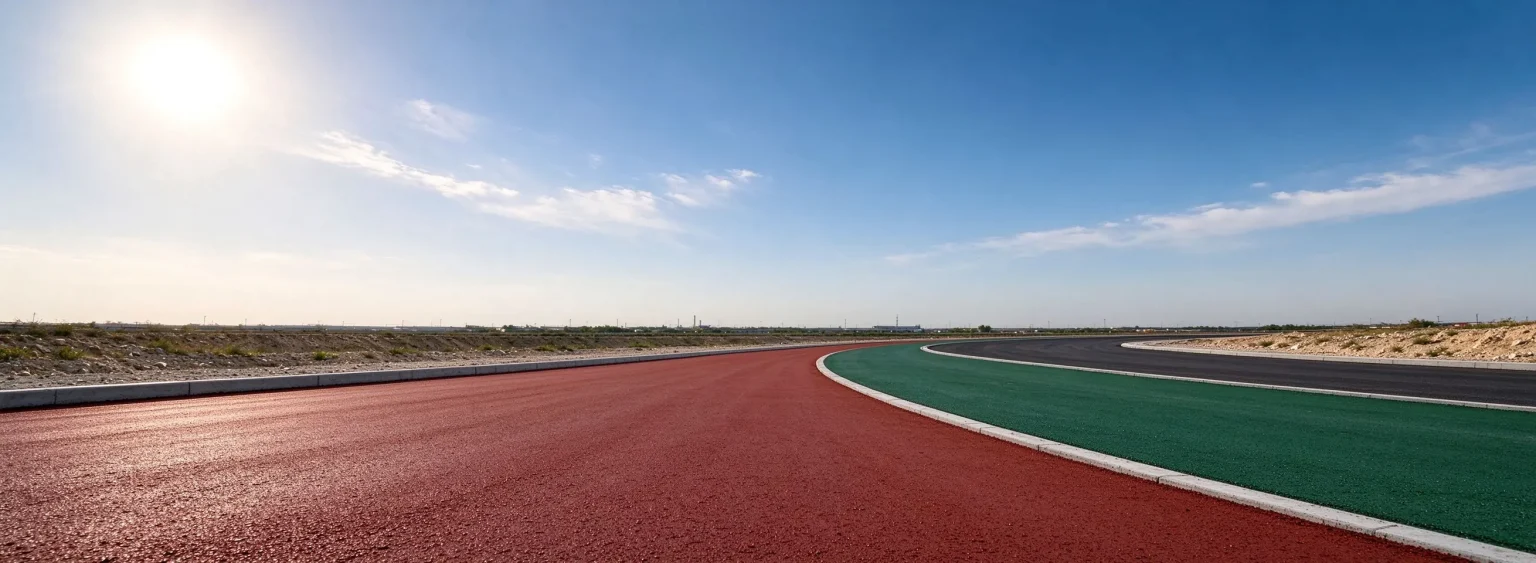
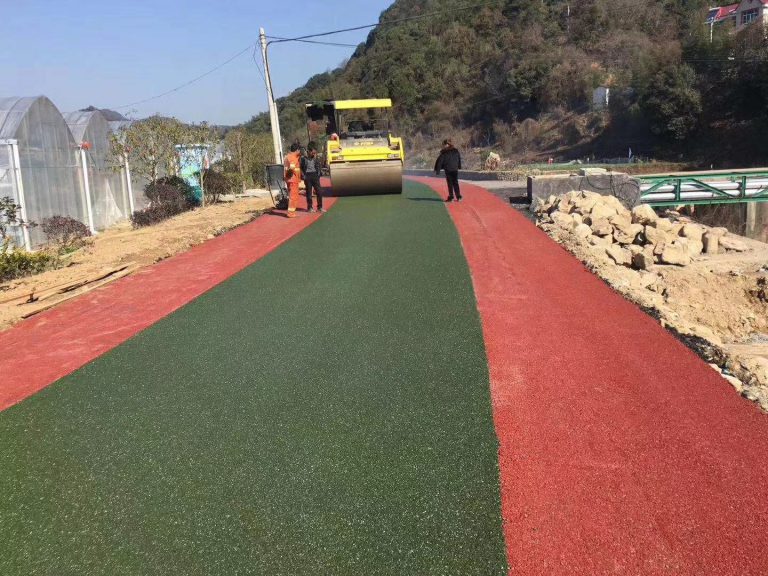
What Is a Colored Asphalt Binder?
A colored asphalt binder is a synthetic decolorized bitumen developed for hot-mix hot-laid colored pavement. This colored asphalt binder buying guide covers the grades, mix design, production control and supplier questions you need. Standard black bitumen cannot express bright colors, which is why landscape and urban projects used to compromise between visual effect and road performance. The decolorized binder removes that limitation while keeping the behavior of conventional asphalt. It is produced in ordinary, modified and special grades covering 50, 70 and 90 penetration, and it runs through the same asphalt mixing plant without hardware modification.
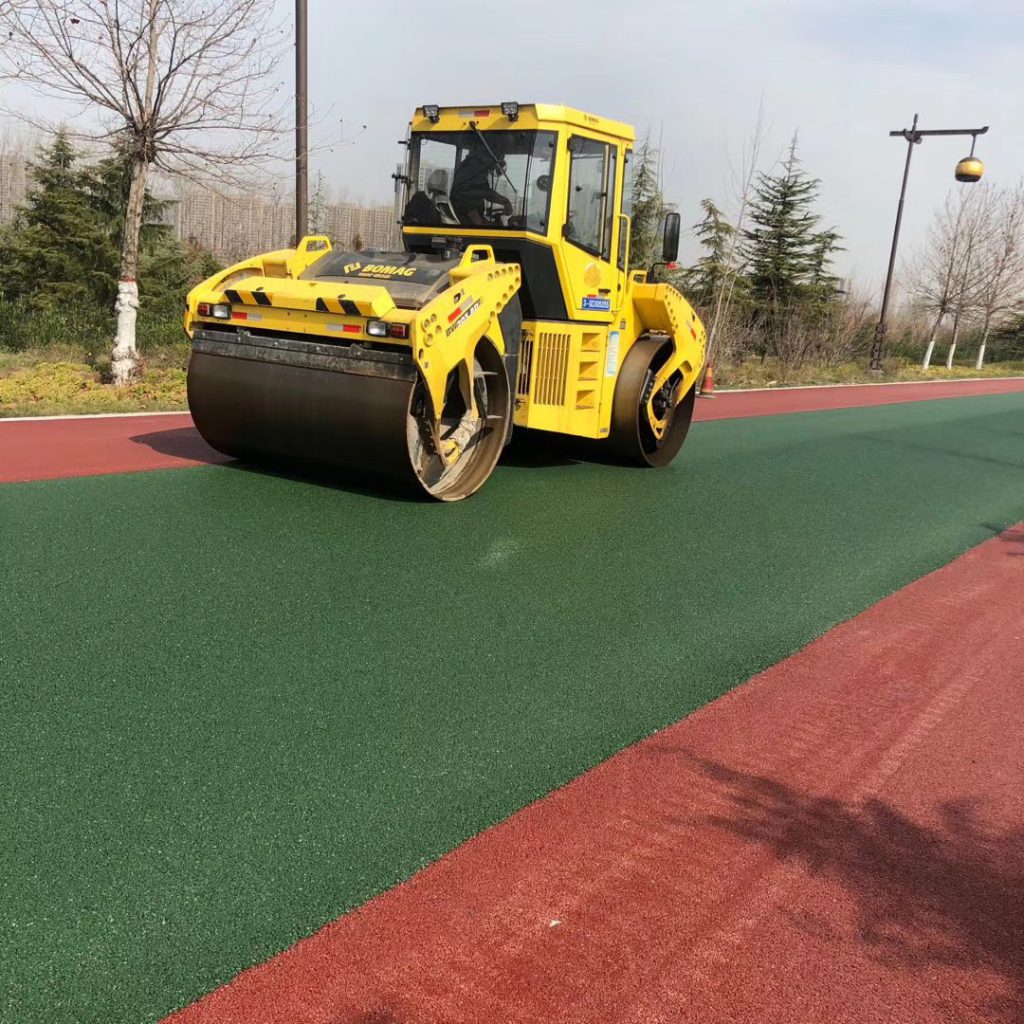
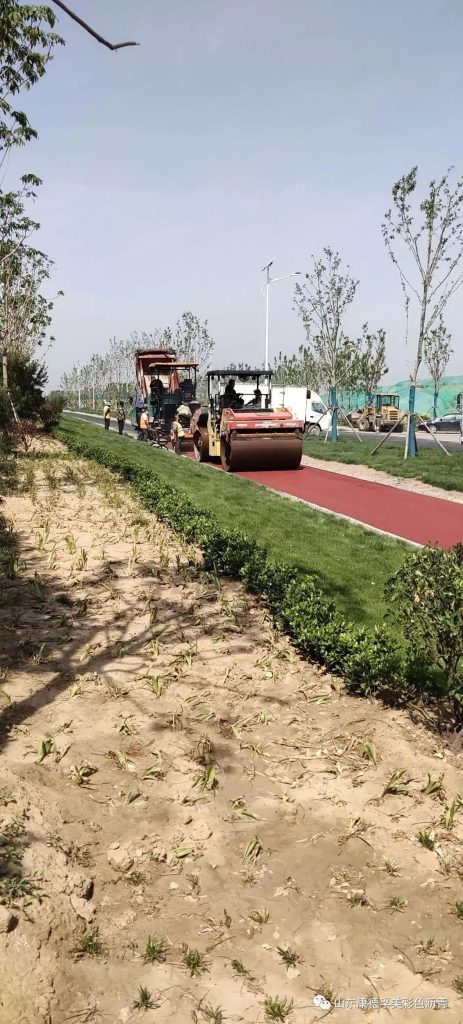
For greenways, bus lanes, tourist roads and plaza paving, the binder is mixed with inorganic pigment and conventional crushed-stone aggregate to produce a colored asphalt mixture with balanced high- and low-temperature properties and water-damage resistance. Because the binder is a raw material rather than a finished coating, the same plant, paver and roller train you already own can produce colored asphalt — which is why most contractors treat it as an extension of their existing black-asphalt operation.
Ordinary vs. Modified vs. Special Grade
The binder is divided into three grades so you can match traffic load instead of over-specifying one material for every job:
| Grade | Typical application | Why it is chosen |
|---|---|---|
| Ordinary | Non-motor lanes, public facilities, plaza paving | Economic choice for light-traffic colored surfaces |
| Modified | Urban motor vehicle carriageway | Better high-temperature stability under vehicle loads |
| Special | Urban arterial road, bridge-deck wearing layer | Heavy-duty performance for high-load wearing courses |
If the tender specifies a city arterial or a bridge deck, ask for the special grade from the start; specifying ordinary grade there will fail under load. For greenways and non-motor lanes, the ordinary grade keeps the project economic without losing color quality.
Penetration Grades 50/70/90: Which to Choose
Penetration grades describe the hardness of the binder. Lower penetration means a harder binder for hot climates and heavy traffic; higher penetration means a softer binder for cold climates and lower traffic. As a reference, the ordinary 90 grade shows a penetration of 80-100 (0.1 mm) and a softening point of at least 45 °C.
| Penetration grade | Best fit | Note |
|---|---|---|
| 50# | Hot climates, heavy traffic, urban arterial | Harder binder, higher rutting resistance |
| 70# | Moderate climates, general road traffic | Balanced choice for most projects |
| 90# | Cooler climates, non-motor lanes | Softer binder, easier to compact |
Ask the supplier to confirm the penetration and softening-point test results for your chosen grade before production. If your region has wide seasonal temperature swings, discuss a modified formulation that holds performance across the range rather than a single-grade default.
Key Specifications to Check
| Specification | What to check | Reference value |
|---|---|---|
| Grade category | Ordinary / Modified / Special | Match to traffic load |
| Penetration grade | 50 / 70 / 90 | Match to climate |
| Penetration (90#) | 0.1 mm units | 80-100 |
| Softening point (90#) | °C | ≥45 |
| High-/low-temperature stability | Test report | Balanced per formulation |
| Water-damage resistance | Test report | Pass per standard |
| Mixing-plant compatibility | Standard plant, no rebuild | Yes |
Request the full test report with the quote. The two numbers that decide most projects are penetration and softening point, because they determine whether the mixture will work in your climate and under your traffic load.
Mix Design: Asphalt Ratio and Pigment Dosage
When you design the mixture, follow the standard asphalt pavement construction specification (JTG F40-2004) as the base, with three practical adjustments for colored asphalt:
- Raise the asphalt-aggregate ratio by about 0.2 percentage points compared with the conventional black-asphalt formula, because the decolorized binder behaves slightly differently with pigment and aggregate.
- Pigment dosage: 2.5-3% of aggregate mass is the working range; raise it for light-toned surfaces and confirm with a color test on your own materials.
- Use lighter aggregate where possible. Conventional crushed stone works, but lighter-colored aggregate improves the final visual effect.
Color is the visible deliverable of a colored pavement job, so run a trial mix before the main production: check the color against your reference in daylight, adjust pigment if the tone is too light, and only then lock the formula for the project.
Applications of Colored Asphalt Binder
Bus lanes and transit corridors
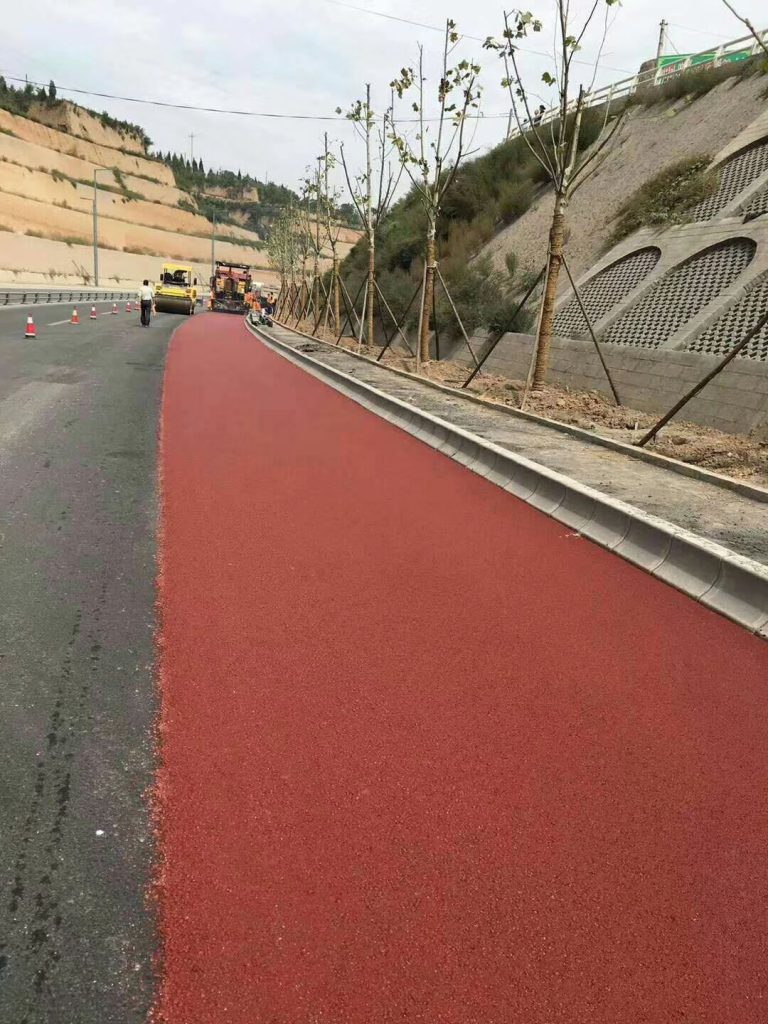
Colored bus lanes are a standard treatment in many cities because the color communicates priority at a glance. The modified or special grade is usually specified here because buses are heavy, frequent vehicles; the mix keeps the color while resisting rutting in the wheel path.
Tourist highways and landscape roads
Scenic routes and landscape roads use colored asphalt to link the pavement with the surrounding design. The ordinary grade fits most of these routes, and the deeper color of a hot-mix surface holds well over long stretches.
Greenways, cycle lanes and plazas
For slow-traffic surfaces, the colored binder gives the same family look as colored thin pavement but with a full hot-mix structure. Choose between the two on structural need: if the base needs a real wearing course, hot-mix colored asphalt; if the base is sound and you only need a 1 mm surface, the water-based thin system.
Production and Mixing Guidance
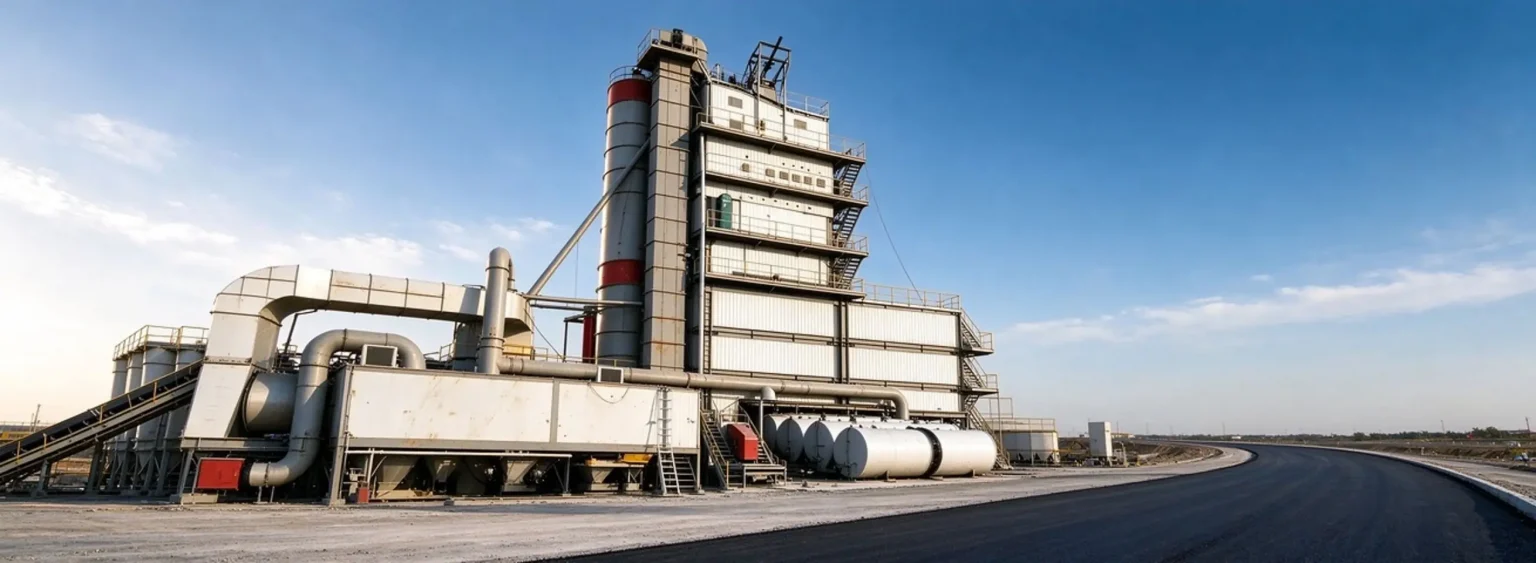
No hardware rebuild is needed on an existing asphalt mixing plant, but the plant must be clean. Before production, flush the mixing tank, pipelines and transport vehicles to remove residual black bitumen — black residue is the most common cause of a muddy final color.
Target temperatures: heat the binder to about 150 °C and the aggregate to about 170 °C, and keep the mixture discharge temperature near 150 °C. Each batch needs a total mixing time of at least 55 seconds with a dry-mix period of at least 10 seconds so the pigment disperses evenly. The finished mixture should show a uniform color with no white spots, segregation or agglomeration.
Paving, Compaction and Weather Limits
Pave above 140 °C, start initial compaction at or above 130 °C, and do not let final compaction fall below 100 °C. Do not construct when the ambient temperature is below 10 °C, or in rainy, wet-road or strong-wind conditions. Avoid over-compaction: crushing the aggregate damages the surface appearance. Open traffic only after the pavement has fully cooled to ambient temperature.
These temperature windows matter more than with black asphalt because the visual result is part of the deliverable: a batch compacted too cold shows a duller, patchy finish, and a batch mixed too short shows pigment streaking.
Pavement Structures It Fits
The colored asphalt binder works in two standard structures: CAC dense-graded colored asphalt mixture and COGFC open-graded drainage colored asphalt mixture. Both serve as the surface functional layer above an asphalt or concrete base. Dense-graded colored asphalt is the common choice for bus lanes and greenways; open-graded drainage colored asphalt suits projects that need surface drainage plus color.
Common Mistakes to Avoid
- Contamination from black bitumen. Residual black binder in the tank, lines or trucks ruins the color. Flush everything before the colored run.
- Guessing the pigment dosage. 2.5-3% is a starting range, not a rule; verify the tone on your own aggregate and adjust before mass production.
- Mixing too short. Below 55 seconds the pigment does not disperse evenly and the surface shows streaks.
- Compacting too hard. Over-compaction crushes the aggregate and flattens the color texture.
- Paving in cold or wet weather. Below 10 °C ambient, or on a wet road, the surface finish and bond both suffer.
Cost and FOB Considerations
Buying factory-direct from the LIJIU works in Dezhou removes the trading-layer markup. The binder ships FOB Qingdao, factory-tested before dispatch. When you request a quote, send tonnage, penetration grade, grade category and destination port, and ask for the configuration sheet together with the FOB price so two quotes can be compared fairly. ISO 9001 documents travel with the offer, and CE, SNI or TISI papers can be prepared when the tender lists them.
How to Test and Verify Your Delivery
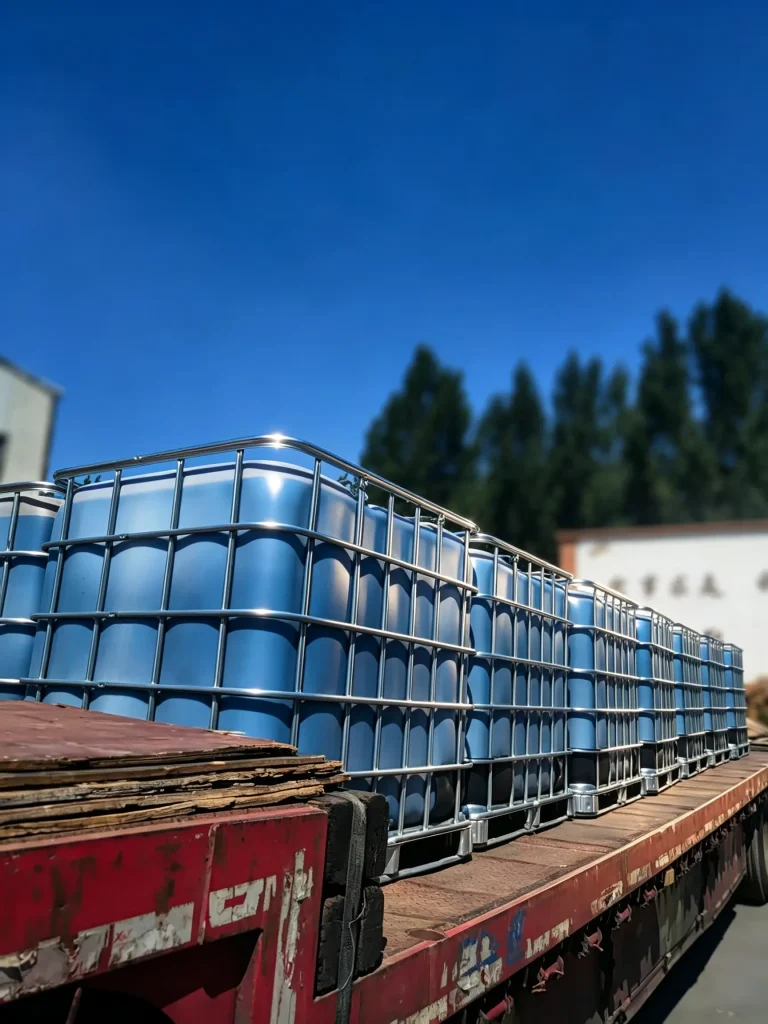
When the drums or bulk delivery arrives, spend ten minutes on three checks before it goes into the tank. First, confirm the drum labels and the packing list match the order: grade category, penetration grade and batch number. Second, check appearance — the binder should be uniform with no separation, water droplets or foreign material. Third, keep a sealed sample from each batch; if a color dispute comes up later, that sample is the evidence base. For the full picture, request the factory test report covering penetration, softening point and high/low-temperature stability, and compare it against the values you specified.
A quick trial mix on your own aggregate is worth more than any certificate: produce one batch, let it cool, and check the color and texture in daylight. If the tone is off, adjust the pigment before the production run starts.
Climate and Seasonal Planning
Plan the colored asphalt window around temperature, not the calendar. The hard limits are a 10 °C minimum ambient temperature and a dry road; rain, dew and strong wind all affect the finish. In hot climates, schedule the work early in the day so paving stays within the 140 °C window before the sun heats the road. In cold climates, work the short window around midday and keep the haul distance short so the mixture arrives at the paver above minimum paving temperature.
Penetration grade follows the same logic: 90# for regions where cold-weather flexibility matters, 50# for hot regions where rutting is the enemy. If your project crosses a seasonal boundary, ask whether a modified formulation holds performance across both seasons.

Project Planning Checklist
- Area and tonnage: calculate the surface area, wearing-course thickness and the resulting tonnage of colored asphalt mixture before quoting.
- Grade and penetration: lock the grade category (ordinary/modified/special) and penetration (50/70/90) from the traffic and climate analysis.
- Aggregate: choose crushed stone with a lighter color and confirm the supply is consistent for the whole project.
- Pigment: order the pigment with the binder so the color batch is matched from the start.
- Plant cleanliness: schedule the flush of tank, lines and trucks before the colored run, and plan a small test batch.
- Weather window: fix the paving dates inside the dry, warm season and keep a buffer for rain days.
- Documents: request the test report and ISO 9001 documents with the offer; name CE, SNI or TISI needs in the RFQ.
Work through this list in the inquiry stage and the quote you receive is complete: configuration sheet, FOB price, test report and lead time in one package.
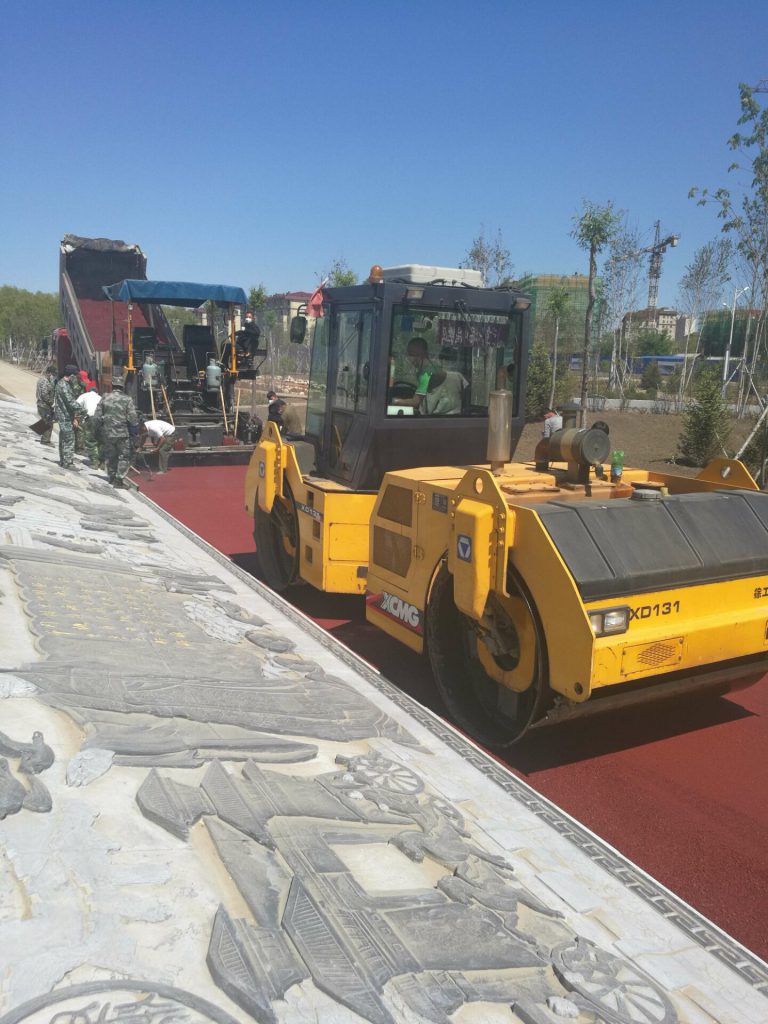
Colored Asphalt Binder vs. Other Colored Pavement Options
Before committing to hot-mix colored asphalt, compare it with the two other options in the same product family so the specification fits the project:
| Option | Structure | Best fit | When not to use |
|---|---|---|---|
| Colored asphalt binder (hot-mix) | Full wearing course, 2-4 cm | New surface layers, roads needing structural strength | Retrofit on sound base where no thickness is available |
| Water-based colored thin pavement | ~1 mm film over existing asphalt | Greenways, cycle lanes, quick retrofit without elevation | Heavy-traffic carriageways |
| Color paint / coating | Thin paint layer | Short-term marking or low-cost refresh | Long-life colored pavement with traffic wear |
The deciding questions are simple: does the road need a new structural wearing course (choose hot-mix binder), or is the base sound and the budget for elevation minimal (choose water-based thin pavement)? Most projects answer with one or the other, and the two materials share the same pigment and color logic, so a mixed project stays visually consistent.
Where to Buy and Factory Support
The LIJIU works in Dezhou supplies the colored asphalt binder factory-direct, with batch-level test reports, ISO 9001 documents and seaworthy packing for FOB Qingdao shipment. The factory team answers mix-design questions, confirms pigment matching for your aggregate, and prepares CE, SNI or TISI papers when the tender lists them. Send the project area, target color, traffic type and destination port through the inquiry desk, and the configuration sheet comes back with scope, lead time and the FOB price within 24 hours.

Maintenance and Service Life of Colored Pavement
A hot-mix colored asphalt surface is maintained like a conventional asphalt wearing course, with one extra care point: the color. Routine care means keeping the surface clean — dirt and oil stains are the fastest way to dull a colored pavement — and repairing localized damage early, because a full replacement is far more visible in color difference than it would be in black asphalt. With a sound base and normal traffic, the colored wearing course serves through the same design life as the equivalent black mix; the color fades gradually in strong UV regions, which is where pigment quality and the modified grade make the difference.
Plan for a small spare stock of the same batch when the project closes. Matching color later from a different batch is possible with batch records, but a matched spare avoids the issue entirely.

RFQ Checklist for Colored Asphalt Binder
- Project area, wearing-course thickness and total mixture tonnage
- Grade category: ordinary / modified / special
- Penetration grade: 50 / 70 / 90 and target test values
- Pigment color reference and required dosage guidance
- Plant type and whether flush-out is scheduled
- Destination port for FOB Qingdao quotation
- Compliance documents needed (CE, SNI, TISI)
Send these with the inquiry and the configuration sheet comes back complete: scope, test report, FOB price and lead time in one reply.
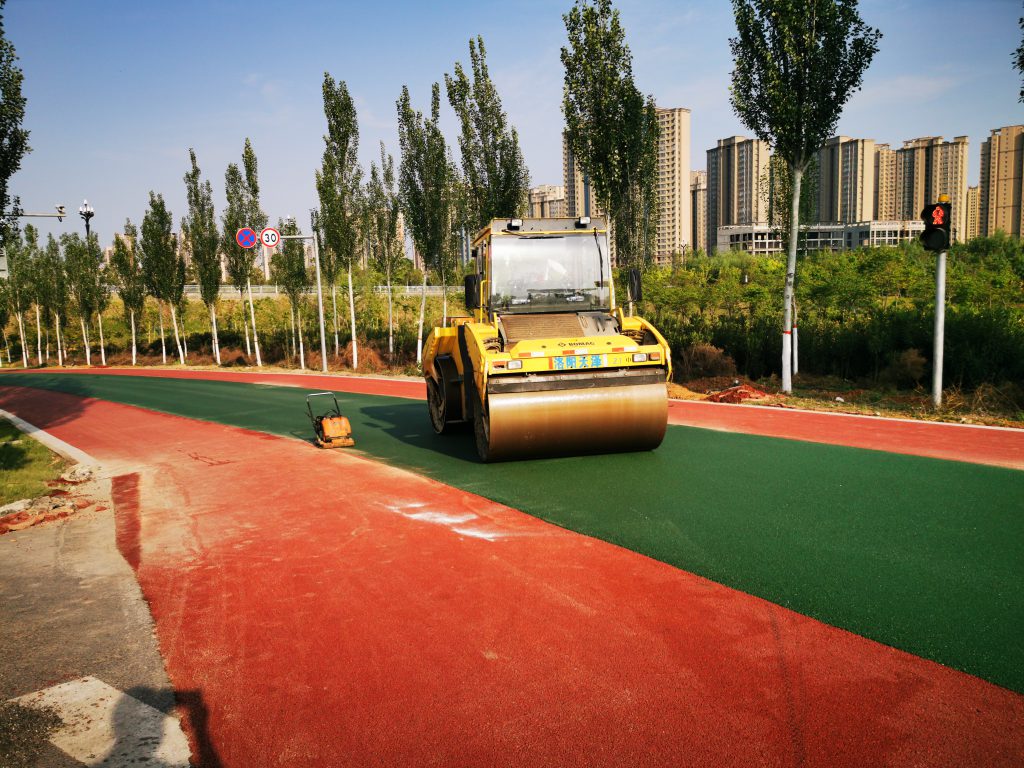
FAQ — Colored Asphalt Binder Buying Guide
Send your tonnage and target grade through the colored asphalt binder product page, or compare it with the water-based colored thin pavement system and asphalt rejuvenator in the same Colored Pavement Materials line. For a full guide to the whole family, read the colored thin pavement system buying guide.
References
Independent background on the practices described on this page is available from the Federal Highway Administration asphalt pavement recycling programme and from the Asphalt Institute. Both are non-commercial industry references and neither is affiliated with LIJIU.
Related equipment and guides
Selecting the right recycling agent for a project? Read the full asphalt rejuvenator buying guide for high-RAP 40%+ grade selection and dosing steps.
Standards and references
Specifications on this page follow European Asphalt Pavement Association — Industry standards. Ask us for the full test report when you request a quote.