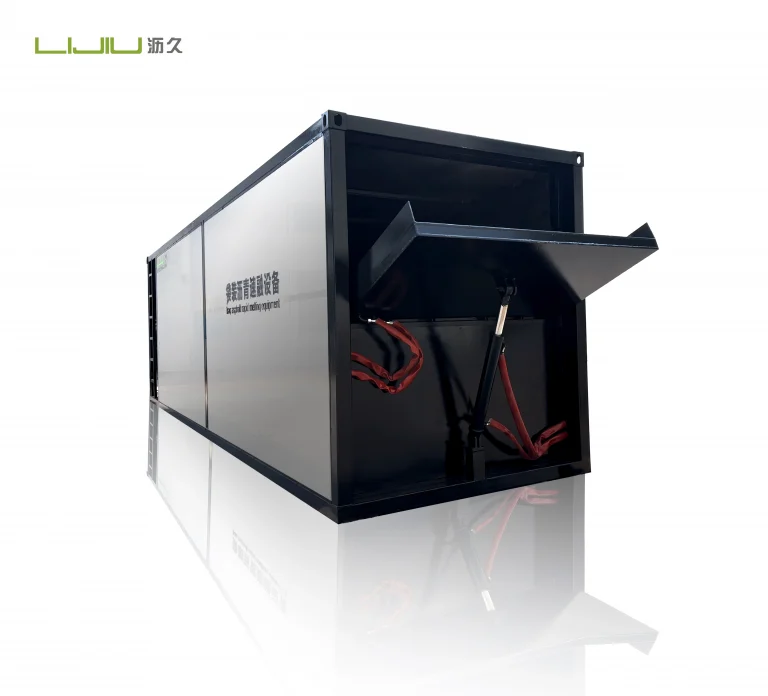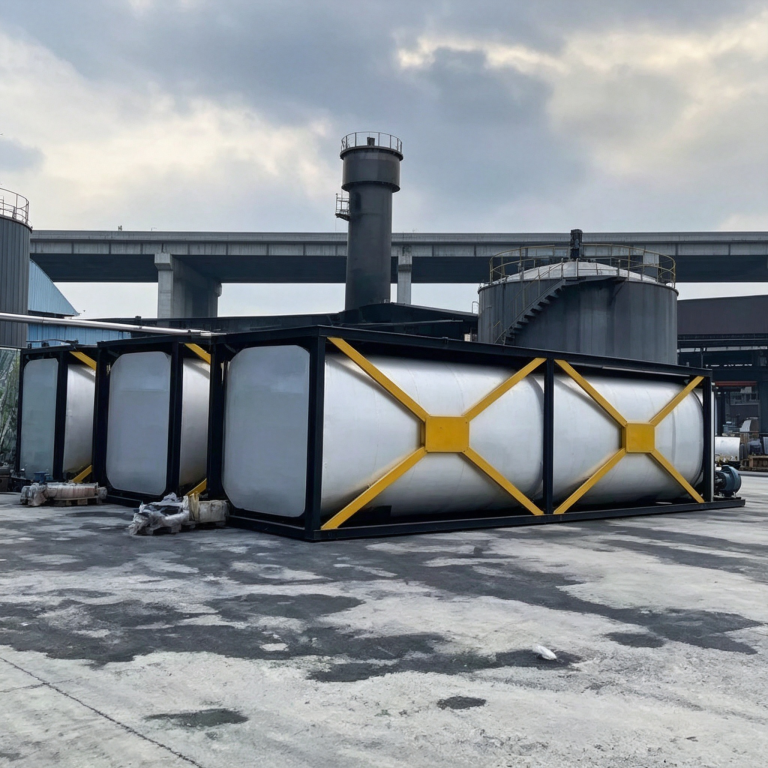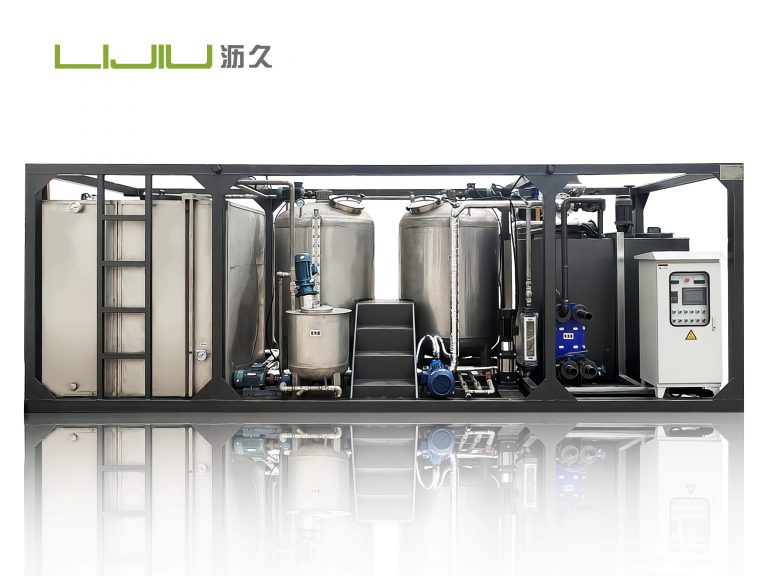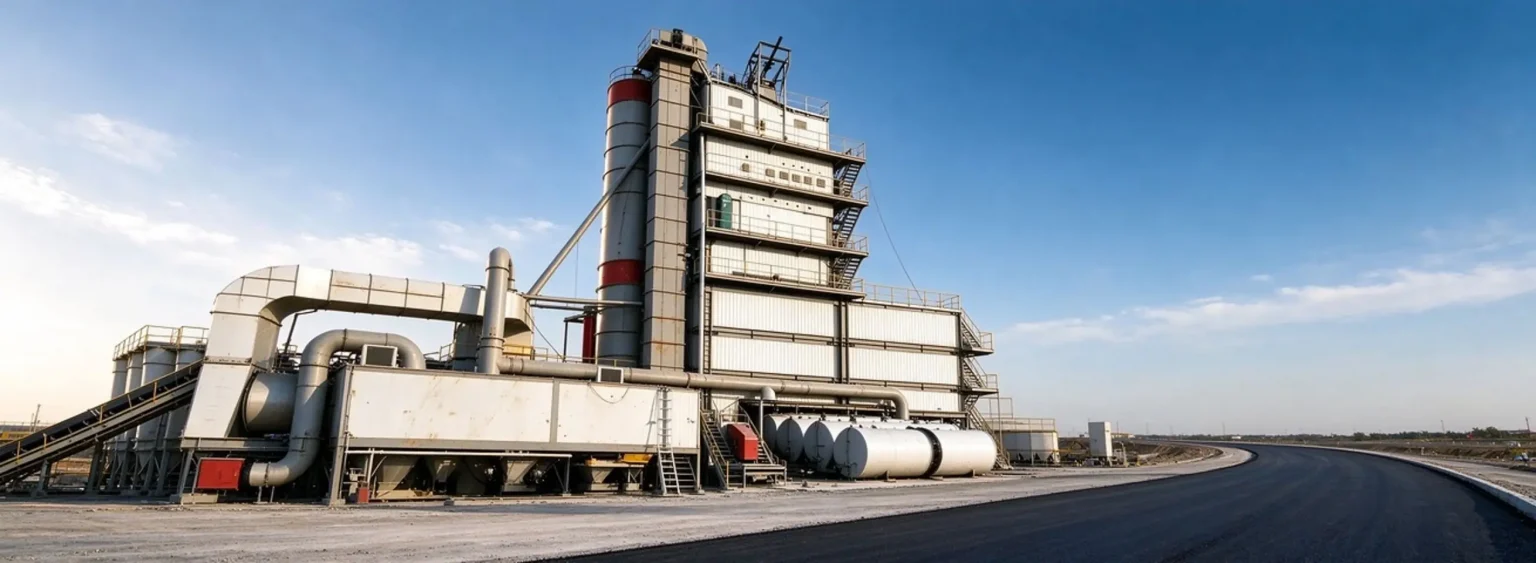
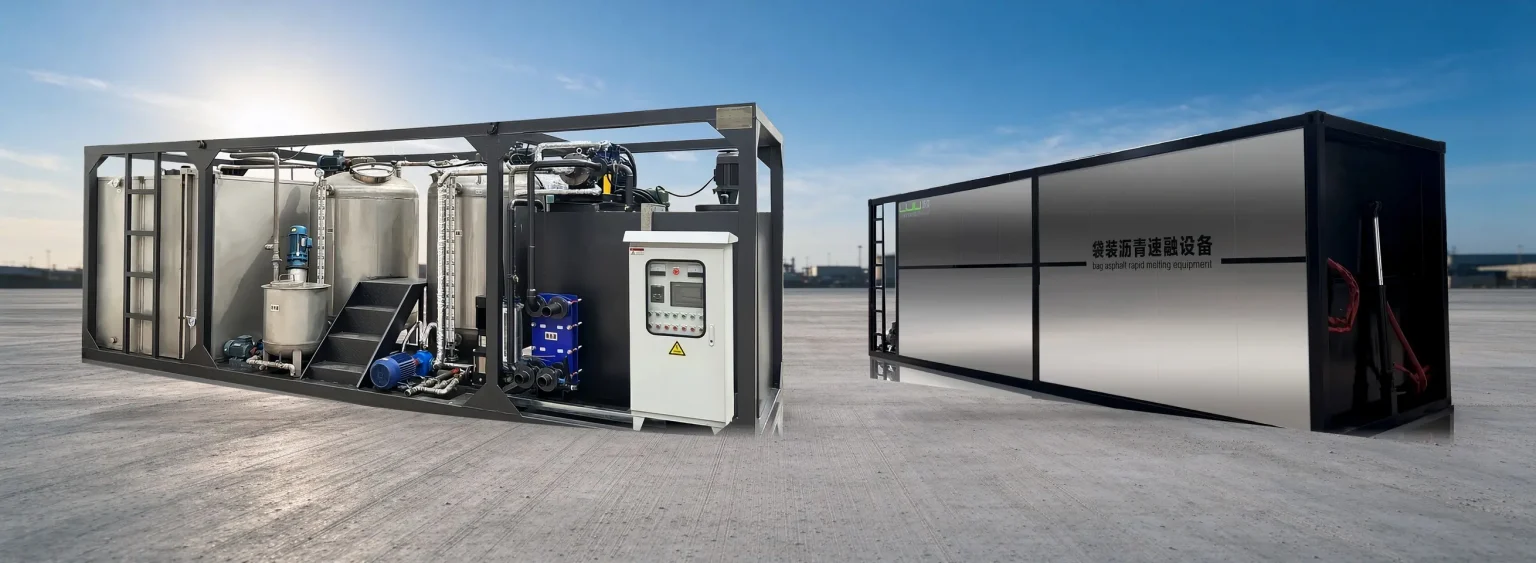

This asphalt foaming equipment maintenance guide explains the nozzle, water-supply and control checks that protect foaming performance, because a foaming unit that drifts out of specification quietly ruins every recycled tonne it produces. Sticking to the asphalt foaming equipment maintenance checklist also guards the water pump and solenoid valves from scale build-up.
Asphalt Foaming Equipment Maintenance: Overview
The routine below suits a skid-mounted foaming unit with water dosing pump, injection nozzles, bitumen circuit and PLC control, retrofitted to a batch mixing plant. Nozzle condition and water quality have the largest effect on expansion ratio and half-life, so both appear on the daily list rather than the monthly one.
Daily Checks
- Inspect foam nozzles for blockage or wear
- Check water supply and filter condition
- Verify water pressure and flow
- Test expansion ratio and half-life after start-up
Nozzle and Water System
- Clean or replace nozzles when foam quality drops
- Descale water lines to prevent mineral build-up
- Check water pump pressure and seals
- Drain the water tank when not in use
Weekly and Monthly Checks
- Inspect bitumen filter and heating system
- Calibrate water dosing
- Check insulation and temperature sensors
- Lubricate moving parts
- Inspect control valves and pressure gauges
Common Faults
- Poor foam quality — clean nozzles, check water flow and bitumen temperature
- Uneven expansion — calibrate water dosing
- No water flow — clean filter, check pump and valves
LIJIU Tip
Foam quality depends on clean nozzles and precise water dosing. Clean nozzles daily and keep spare nozzles on hand — this small part directly determines your recycled base quality.
Seasonal and Cold-Weather Care
When the ambient temperature drops, check the water line for freezing and confirm the dosing pump draws from a heated or protected supply before start-up. It also helps to re-check the water ratio at the start of each season, because colder bitumen and colder aggregate alter how the foam spreads through the mix even when the machine settings are unchanged.
Tracking Foam Quality Over Time
Before each production day, run a short water-flush cycle through the dosing unit to confirm the pump delivers the set water ratio and the nozzles atomise evenly. Record foam half-life and expansion ratio from the morning test mix in the daily log, and compare the numbers week by week — a slow drop usually points to a worn nozzle or a change in water quality before it becomes a failure.
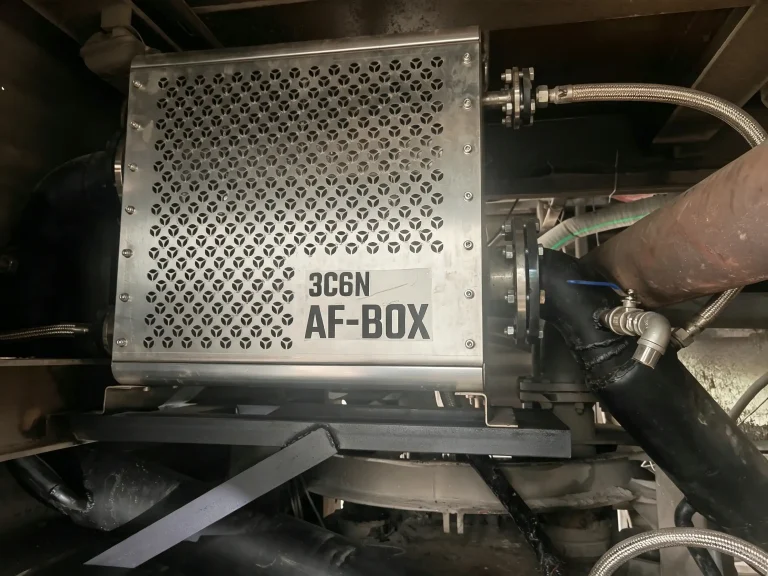
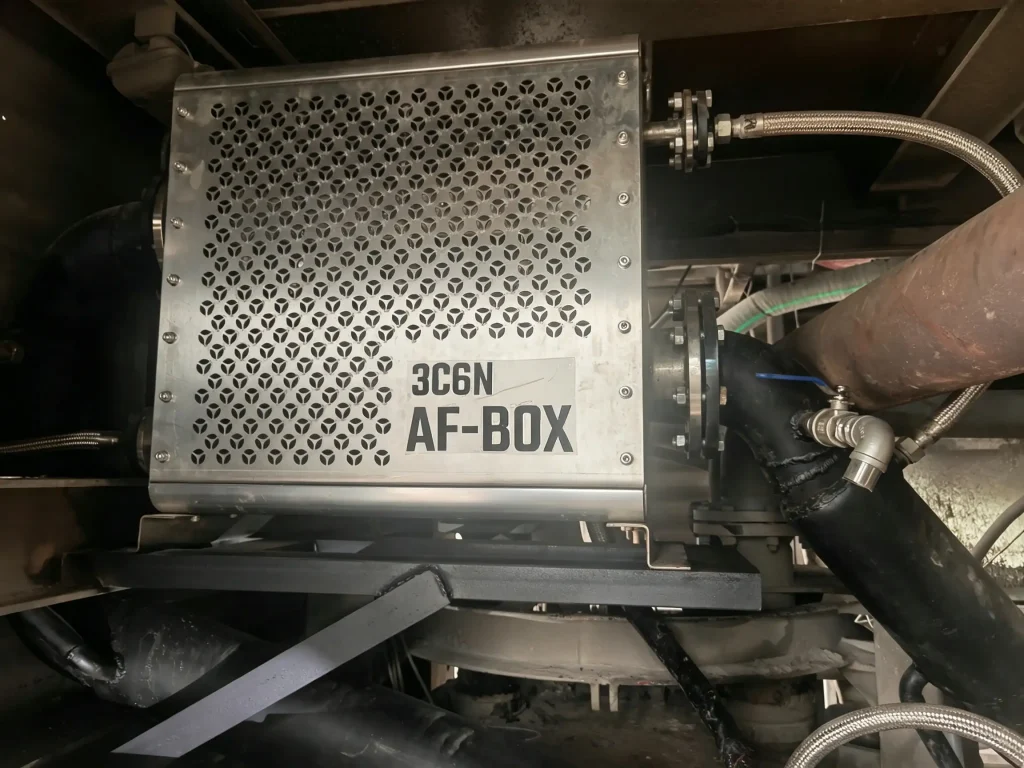
Keep spare nozzles, seals and the water filter in stock, and review the commissioning data with your supplier once per season. The unit this schedule is written for is the AF-BOX 3C6N micron-level asphalt foaming system, which measures 20 times expansion and an 11-second half-life on 70# base bitumen under standard test conditions.
Water Quality and Nozzle Life
Foaming performance is a water story as much as a bitumen story. Water hardness leaves scale inside the injection nozzles, and a partially scaled nozzle delivers a narrower, less turbulent jet than the design intends. The result is a coarser foam with a shorter half-life, even though every other setting on the machine is unchanged.
If a water softener or filtration package is not available, at least establish the hardness you are working with and set a cleaning interval to match. Soft water may allow weekly descaling; hard water may need it daily. Keep a spare set of nozzles so a scaled set can be cleaned offline without stopping production, and always replace nozzles as a matched set rather than one at a time, because mismatched nozzles give uneven atomisation across the injection manifold.
Calibrating the Water Dosing System
Calibrate the dosing pump against a measured volume rather than the control screen. Run the pump into a graduated container for a fixed period at the normal working pressure, compare the delivered volume with the setpoint, and adjust the calibration factor. Repeat at two or three different ratios, because a pump that reads correctly at 1.5% may be well out at 3%.
Then confirm the ratio in the mix rather than only at the pump. Weigh a sample of foamed material immediately after discharge, dry it and compare the moisture loss with the intended water dose. This end-to-end check catches the faults a pump calibration cannot see, such as a leaking injection line that loses water before it reaches the nozzle, or a nozzle that is passing water but not atomising it.
Troubleshooting by Symptom
- Foam collapses almost immediately — bitumen temperature too low, water ratio too high, or a worn nozzle delivering large droplets.
- Expansion ratio lower than the reference figure — partially blocked nozzle, low water pressure, or a change in bitumen grade.
- Uneven expansion across the drum — mismatched nozzles, or a pressure drop in one branch of the manifold.
- Water dosing drifts during the shift — pump wear, a leaking suction line, or a filter loading up as the shift progresses.
- Black liquid bitumen in the foam — incomplete foaming, usually caused by insufficient water or by bitumen outside the working temperature window.
Work through the list from the cheapest cause to the most expensive. A blocked nozzle costs nothing to clean; a suspect dosing pump should only be replaced after the filter and the suction line have been checked.
Commissioning Data as a Maintenance Baseline
The factory or site commissioning test gives you the reference numbers that every later reading is compared against. Keep the original test sheet — asphalt grade, working temperature, water ratio, expansion ratio and half-life — with the machine, not in an office file, and record the same five values at the start of each season.
When a reading drifts, compare like with like: the same bitumen grade at the same temperature and the same water ratio. A drop in expansion ratio measured on a different grade proves nothing. Used consistently, this small record set turns foaming maintenance from a reaction to a fault into a scheduled adjustment. Where a plant also runs a bitumen emulsion plant, note that the two processes share a sensitivity to water quality, so a change in the site water supply should trigger a check on both.
References
Independent background on the practices described on this page is available from the Federal Highway Administration asphalt pavement recycling programme and from the Asphalt Institute. Both are non-commercial industry references and neither is affiliated with LIJIU.
Related Equipment and Guides
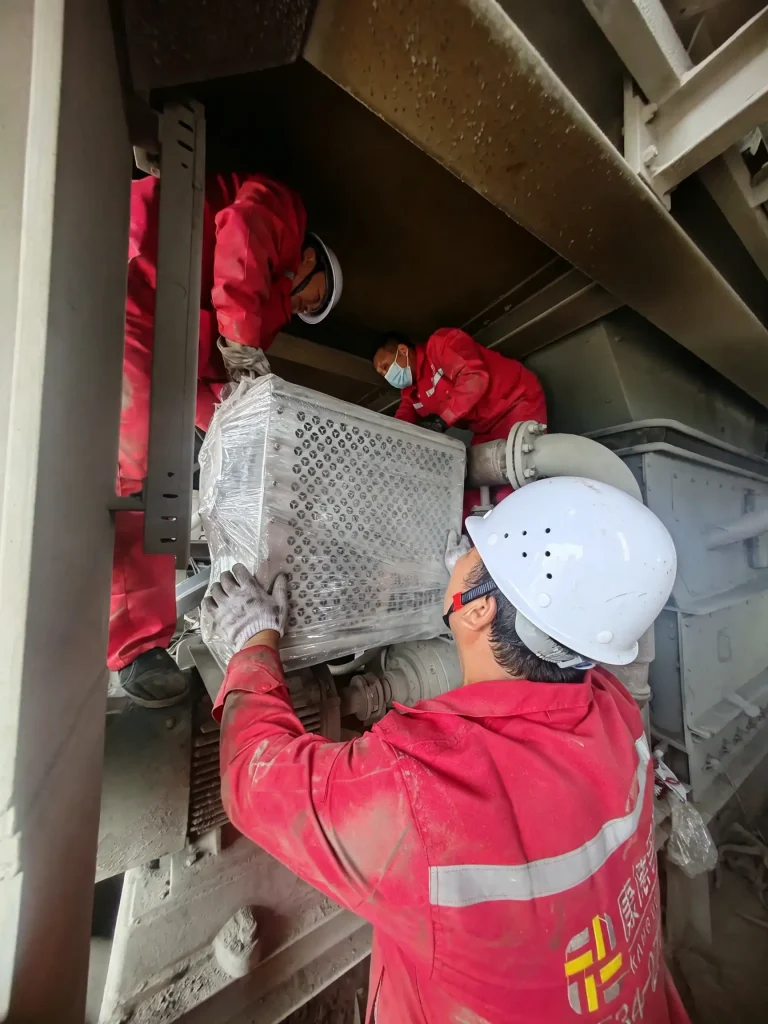
Reference Images

Standards and references
Specifications on this page follow ISO 9001:2015 Quality management systems. Ask us for the full test report when you request a quote.