
Bagged asphalt melting equipment solves a practical problem on sites without a tank farm: how to turn packaged bitumen into a steady flow of molten binder without cutting bags open by hand. This buying guide explains what to check when selecting a bag-fed melting unit.
What Is Bagged Asphalt Melting Equipment?
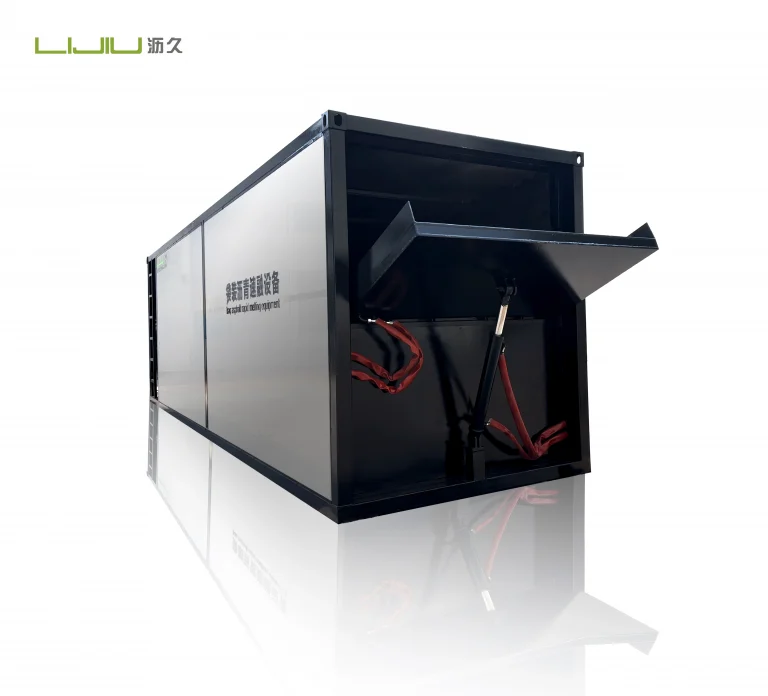
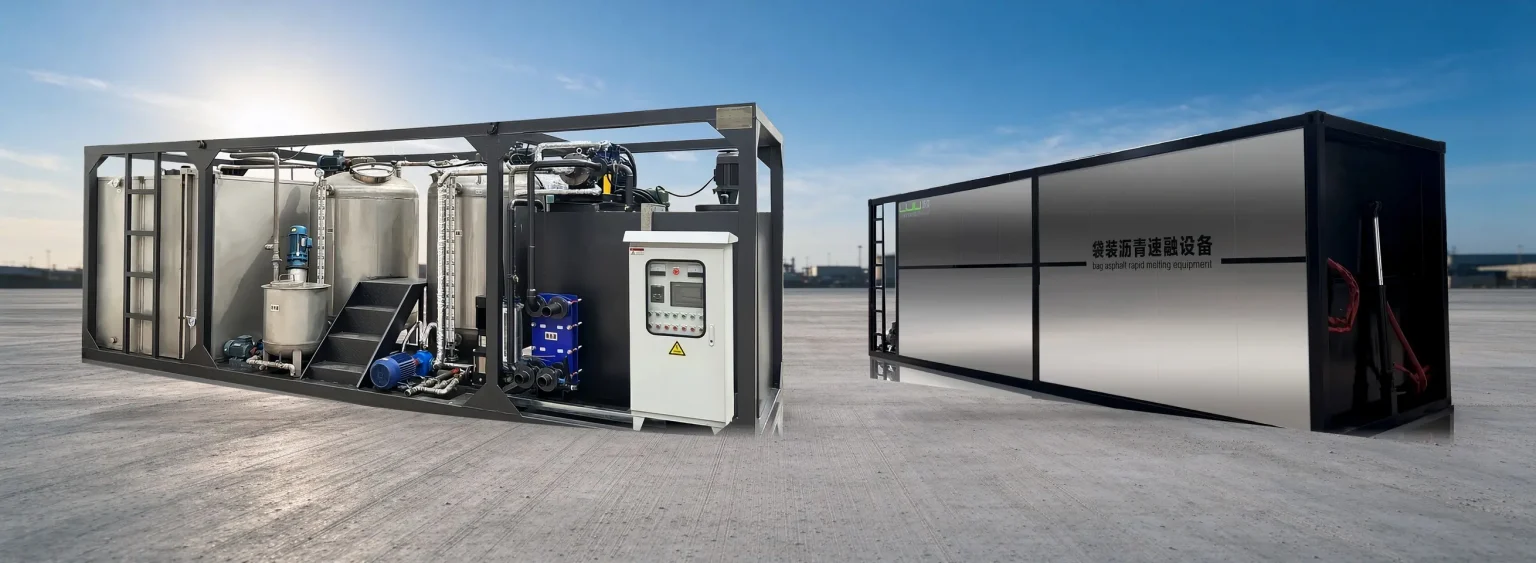
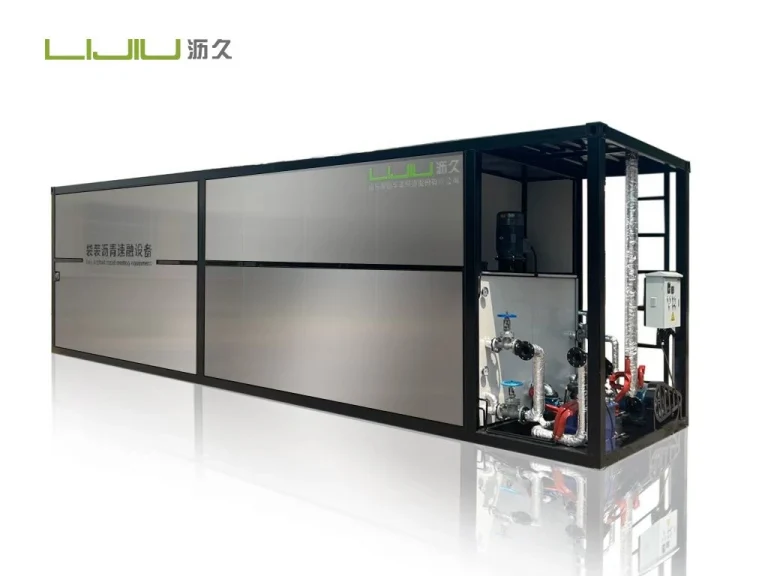
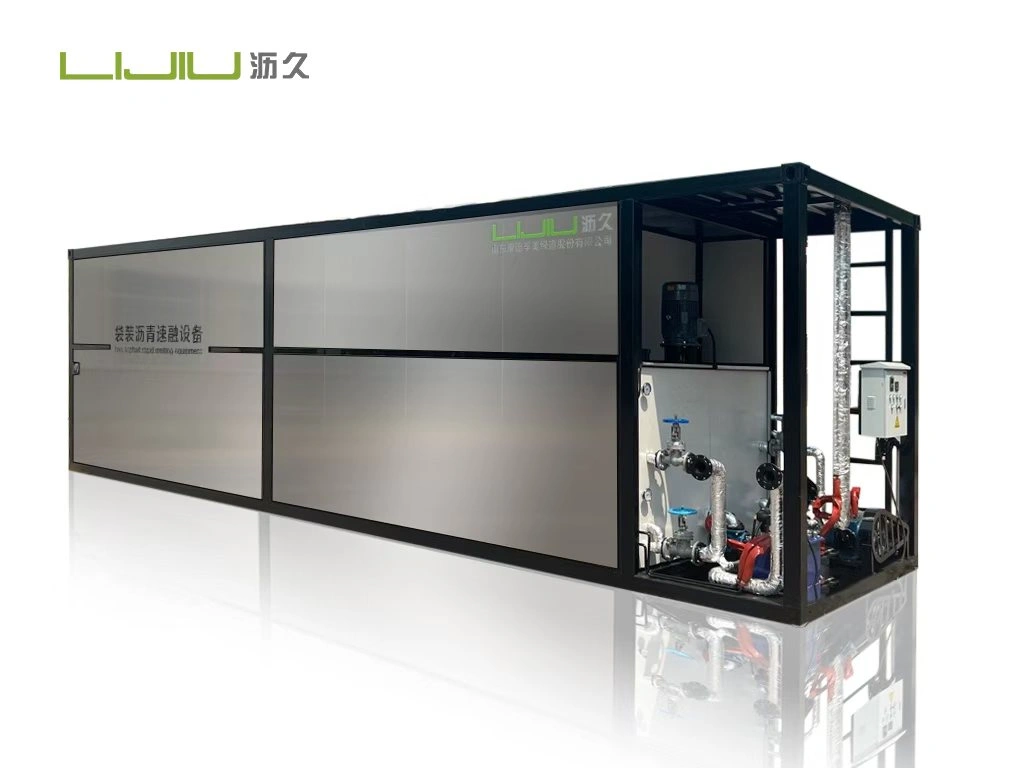
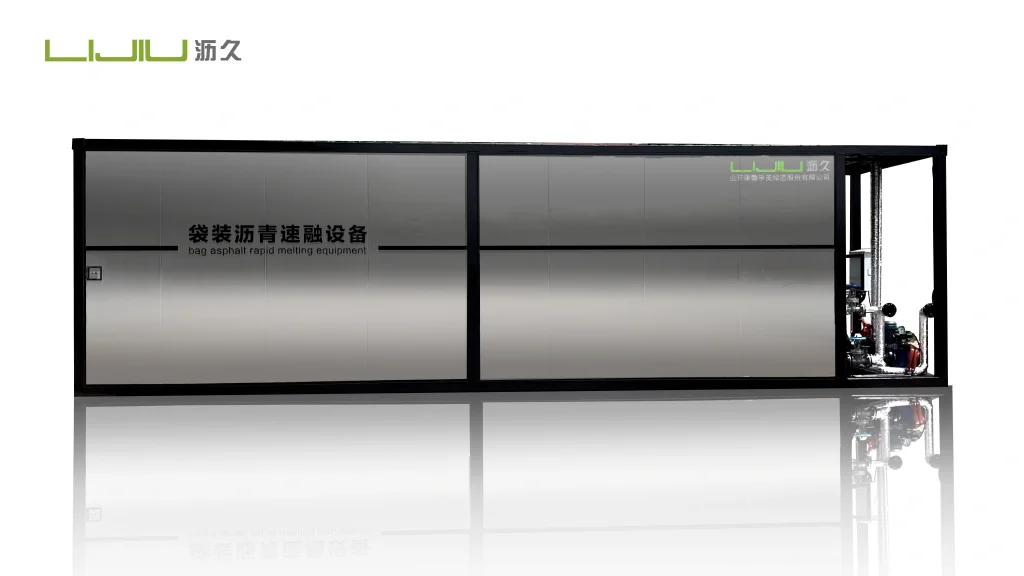
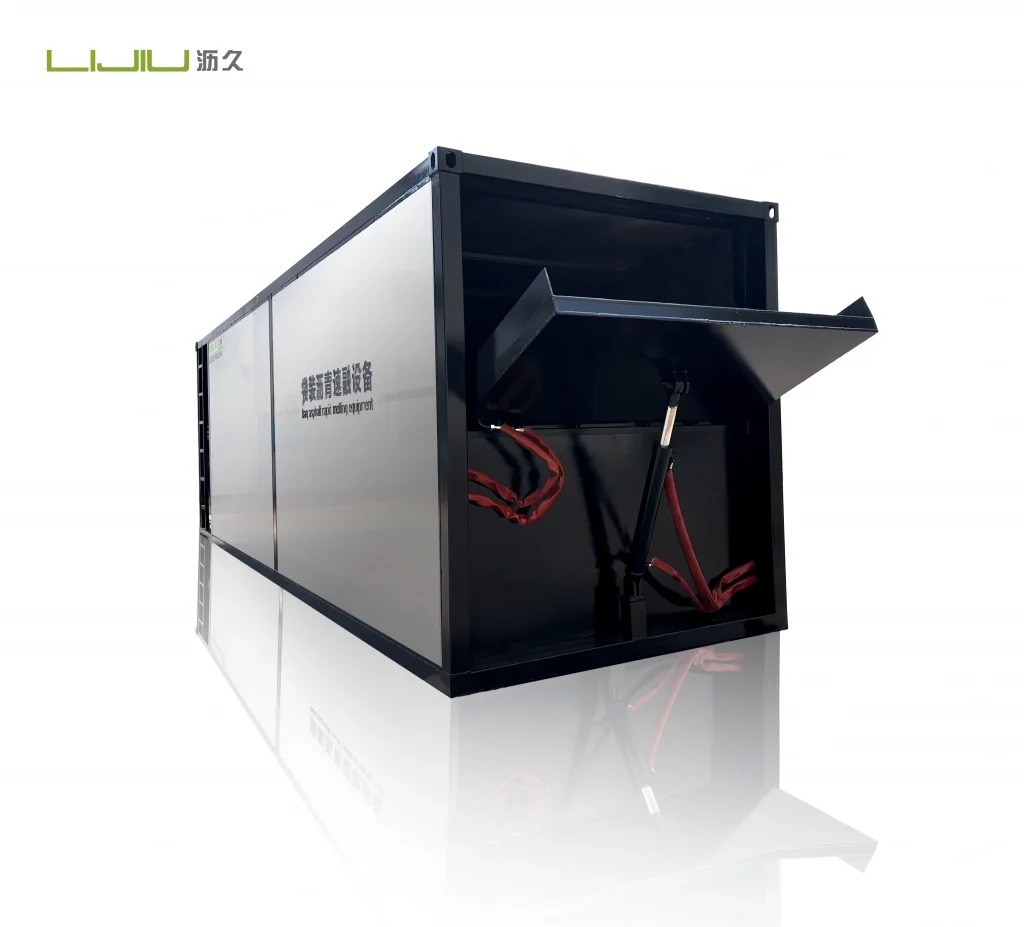
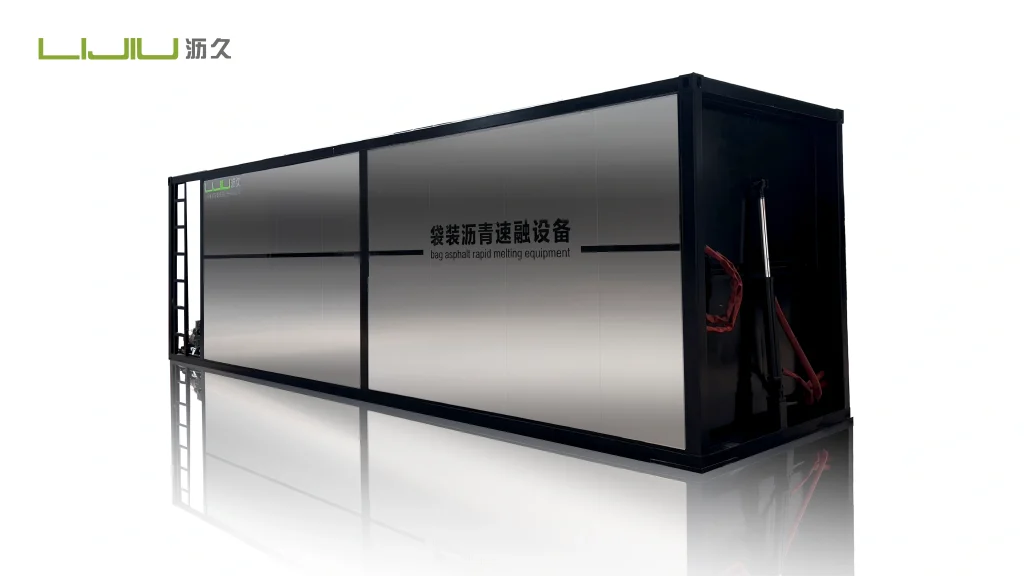
Bagged asphalt melting equipment, also called a bitumen bag melting machine, melts packaged asphalt in bags or small barrels without removing the bags manually. The bag material is filtered out automatically and the molten bitumen flows to storage. It saves labour, reduces waste and is ideal for plants that receive bagged or barrel-packaged asphalt instead of bulk tanker deliveries.
What to Check Before You Buy
1. Melting capacity
- Small or intermittent use: 3–5 t/h
- Medium plants: 5–10 t/h
- Large operations: 10 t/h and above
2. Heating method
Thermal-oil heating is preferred for a uniform temperature and safer operation. Electric or direct heating lowers the initial cost but risks local overheating, which degrades the binder before it ever reaches the mixer.
3. Bag residue rate
A good machine leaves minimal bitumen on the empty bag. A low residue rate means less material loss and a cleaner operation, and it is one of the few performance figures that pays back on every single load.
Operational Factors That Decide Long-Term Value
Melting speed
Fast, continuous melting keeps your mixing plant running. Ask for actual throughput under working conditions rather than a theoretical maximum, because the difference between the two is what you will experience on a cold morning.
Automation
Automatic bag feeding, temperature control and level monitoring reduce labour and operator dependency, and they are what make a single operator able to run the melting station alongside the main plant.
Safety
High-temperature oil and bitumen require reliable insulation, over-temperature protection and emergency shutoff. Verify these features on the machine itself rather than on the brochure.
Compatibility
Check the bag size, bag material and barrel packaging your suppliers actually use, and confirm the machine handles them. Bag weights vary considerably between suppliers, and a feeder sized for one format may not accept another.
After-sales
Linings, filters and heating elements wear over time. Confirm spare parts availability and local support before you commit.
Typical Specifications to Compare
| Parameter | Check |
|---|---|
| Output | t/h matches your demand |
| Heating | thermal oil preferred |
| Bag residue rate | as low as possible |
| Feeding | automatic / manual |
| Control | temperature and level monitoring |
| Safety | over-temperature protection |
Installation and Daily Operation
The melting unit is usually installed close to the mixing plant so molten bitumen can flow straight to the weigh hopper or a buffer tank. Allow enough clearance for bag loading and for removing the residue screen, and confirm the site has a 380–415 V, 50 Hz three-phase supply for the heaters and the feed motor. The melting chamber and the thermal-oil circuit should be laid out so the daily filter clean can be done without shutting down the main plant.
In daily operation, keep the melt tank clean and clear the residue filters on schedule; a blocked filter costs far more time than a ten-minute check. Record heating time and melting volume for each shift. A gradual rise in heating time usually signals burner fouling or insulation wear before it becomes a breakdown. If your site also produces emulsion, the molten bitumen can feed emulsified asphalt equipment directly, which removes a re-heating step and saves fuel.
Why Choose the LIJIU Bag Melting Unit?
LIJIU’s melting unit offers fast, uniform melting with thermal-oil heating, a low bag residue rate and automatic operation. It integrates smoothly with our emulsified, modified and foaming asphalt equipment, giving you a complete asphalt deep-processing setup from one manufacturer, with factory-direct pricing and global after-sales support.
Final Checklist
- Estimate daily bagged asphalt consumption.
- Confirm bag and barrel size and material.
- Compare melting speed and residue rate.
- Check heating method and safety features.
- Compare total cost, not just price.
The right melting unit saves labour and material loss every day. Choose based on real throughput and reliability.
Comparing Heating Options in Practice
Thermal-oil heating costs more up front than direct electric or gas heating, and the difference is recovered in day-to-day operation. Because the oil circulates at a controlled temperature, the melt chamber wall stays within a narrow band, so the bitumen on the bags melts at a consistent rate and the residue left on the empty bag stays low. Direct heating creates hot spots near the elements; those hot spots raise the local temperature, degrade the binder and make the residue rate vary from load to load.
Where fuel cost is the deciding factor, a thermal-oil system also allows a single heater to serve a melting unit and another process on the same site, which spreads the capital cost. That is worth planning before the layout is fixed, because retrofitting a shared oil loop later is far more expensive than including it at the outset.
What to Confirm Before the Unit Ships
- Bag and barrel formats the feeder must accept, with weights and dimensions
- Site supply voltage, frequency and the total connected load
- Required melting rate under continuous, not peak, conditions
- Residue rate guarantee and the test method used to measure it
- Spare parts shipped with the machine and lead times for the rest
Getting these six answers in writing before the machine is built removes almost every surprise that can appear on commissioning day.
References
Independent background on the practices described on this page is available from the Federal Highway Administration asphalt pavement recycling programme and from the Asphalt Institute. Both are non-commercial industry references and neither is affiliated with LIJIU.
Related Equipment and Guides
Reference Images
Standards and references
Specifications on this page follow ISO 9001:2015 Quality management systems. Ask us for the full test report when you request a quote.