
Asphalt Equipment
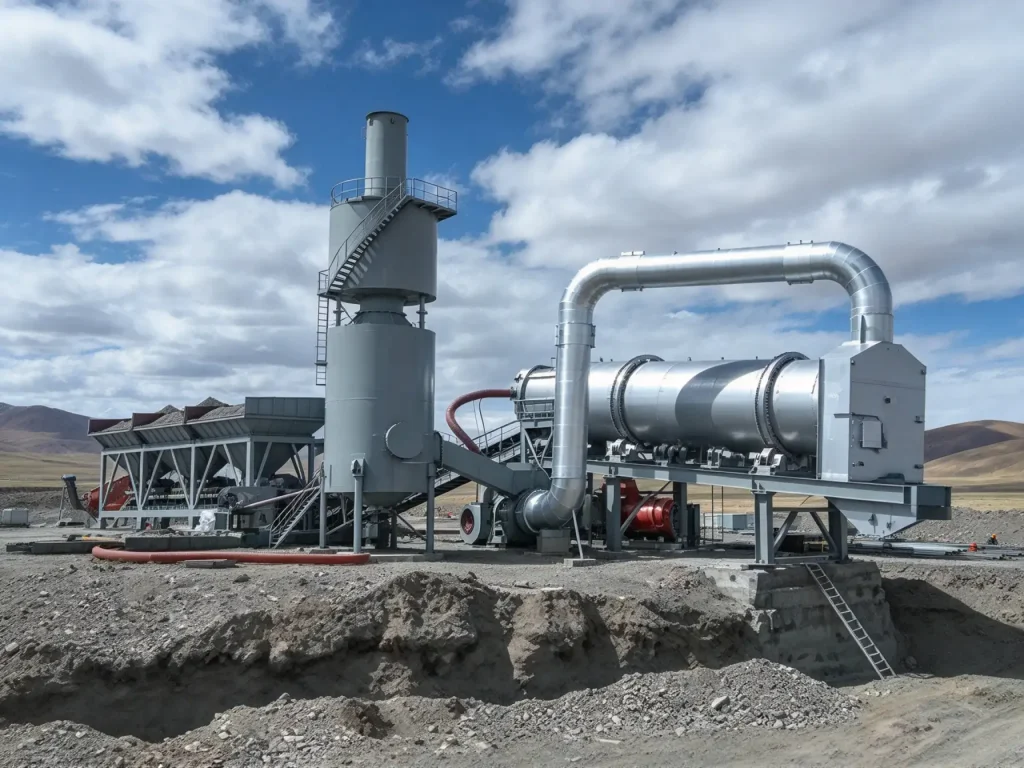
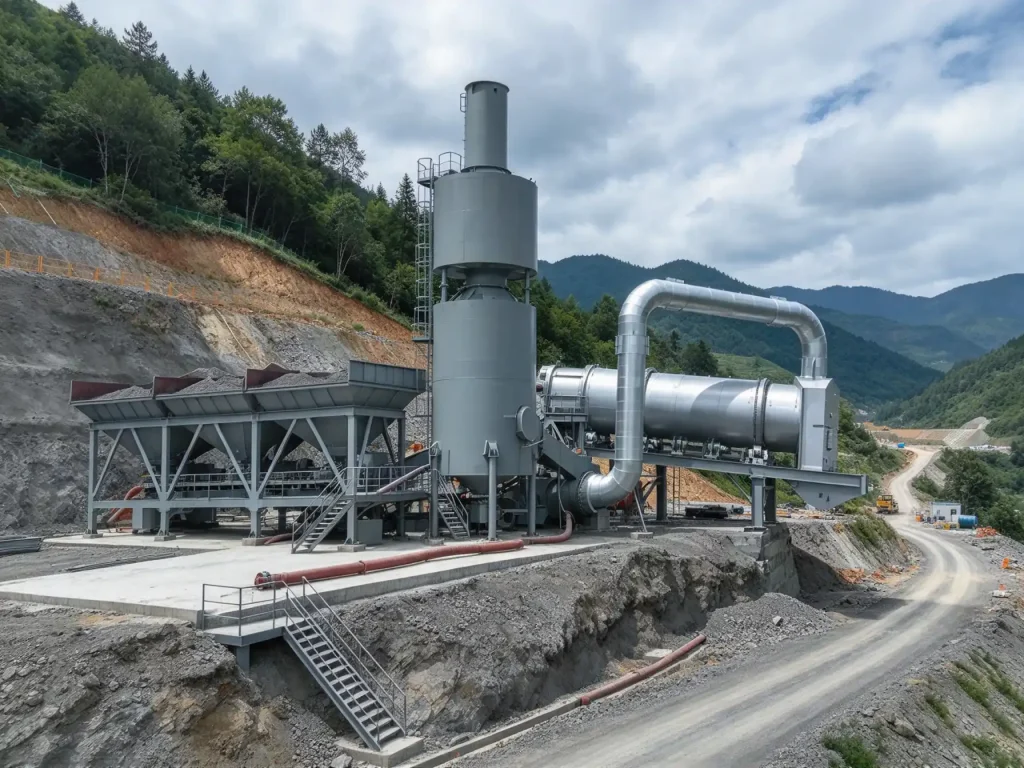
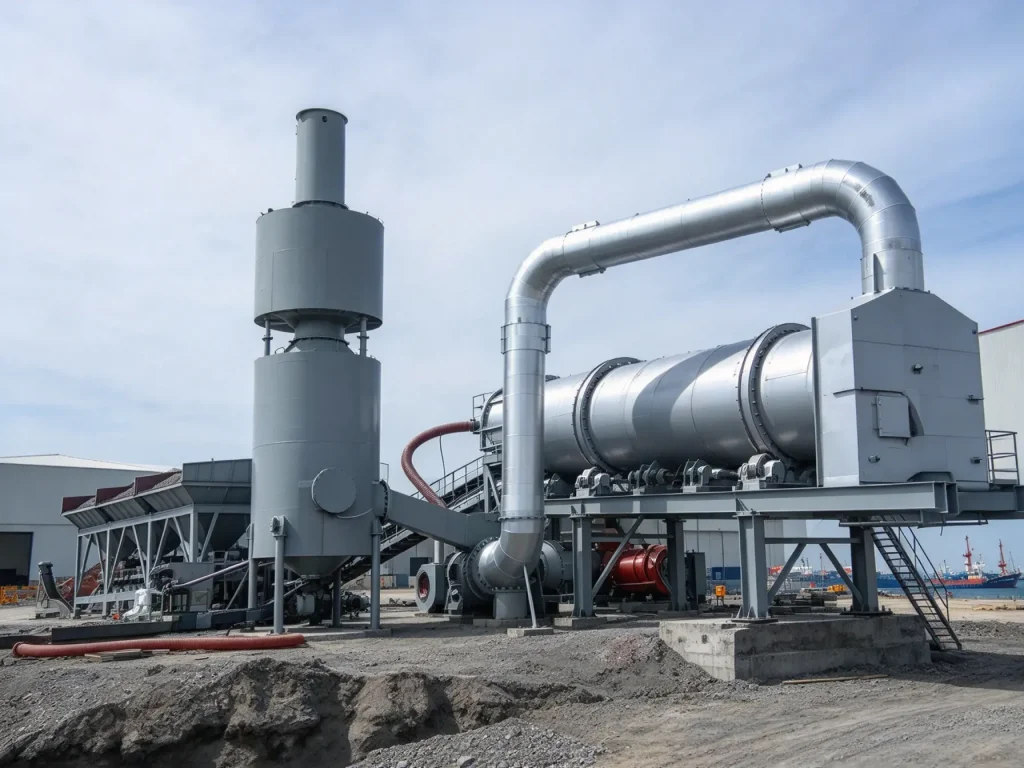
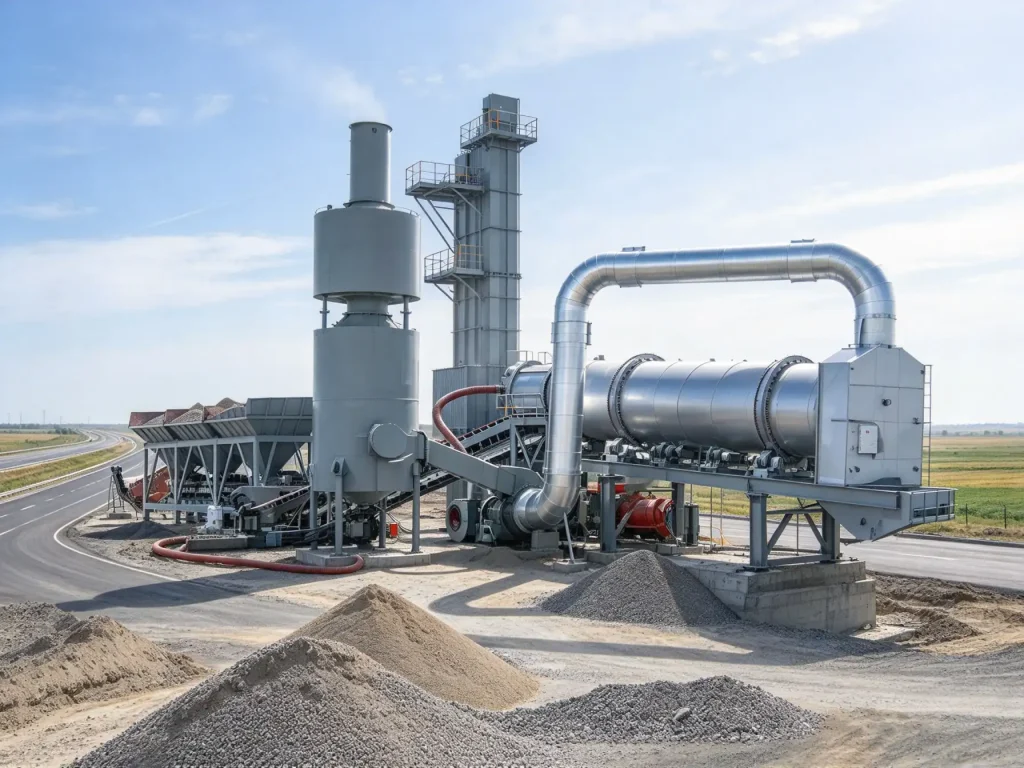
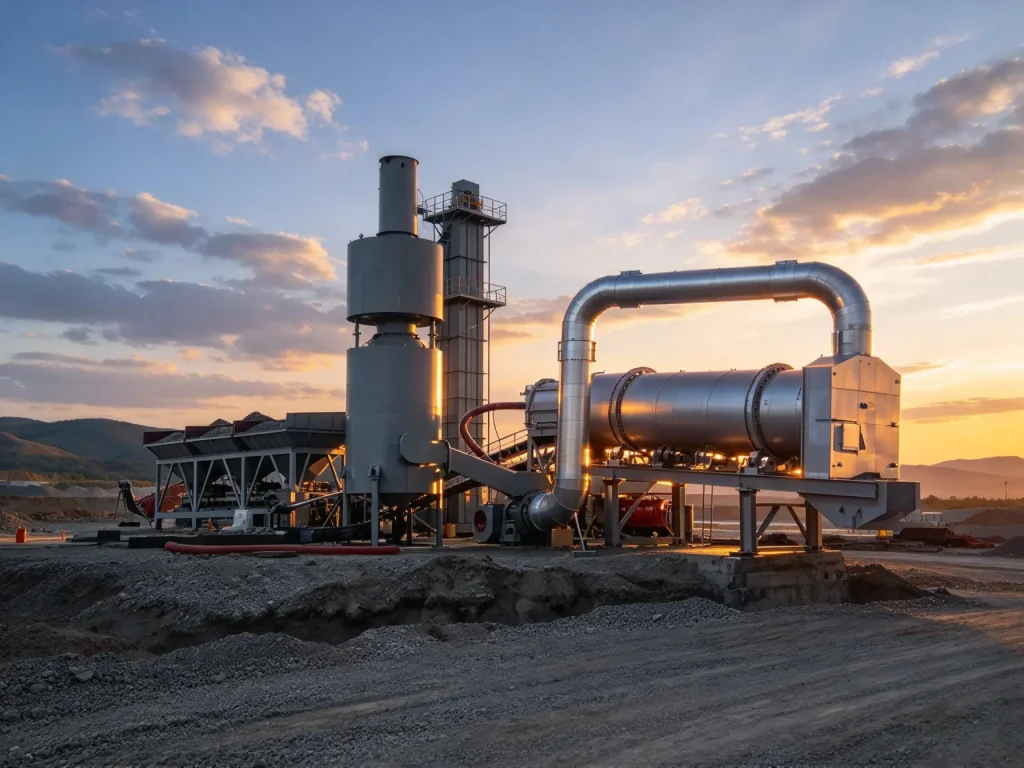
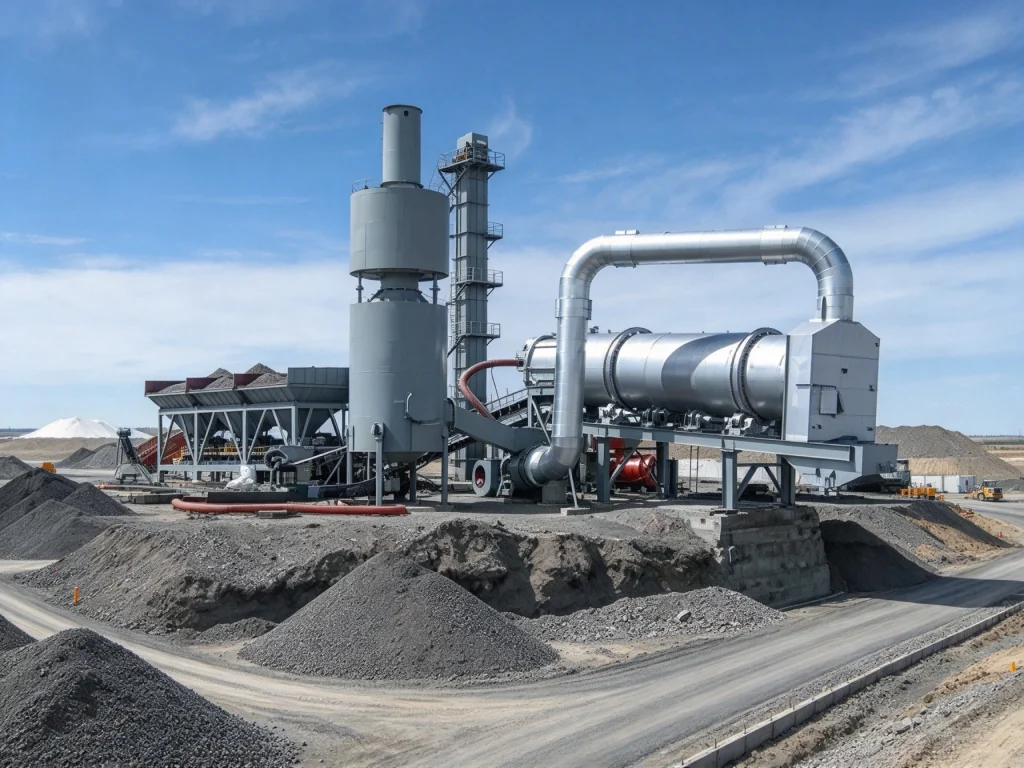
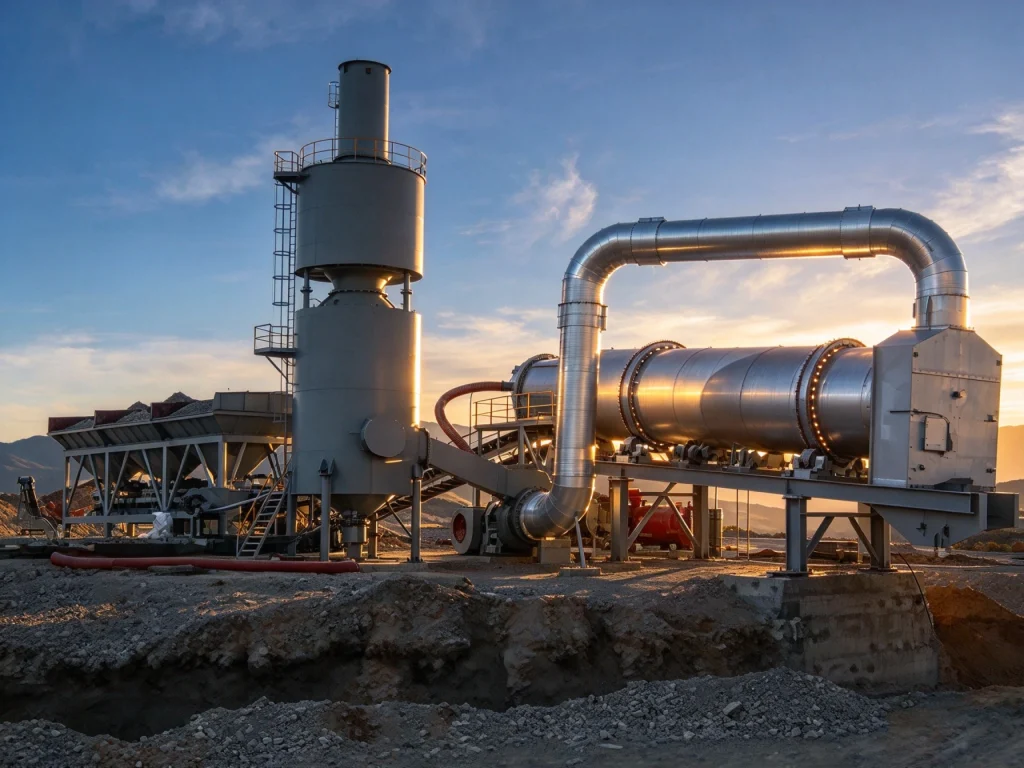
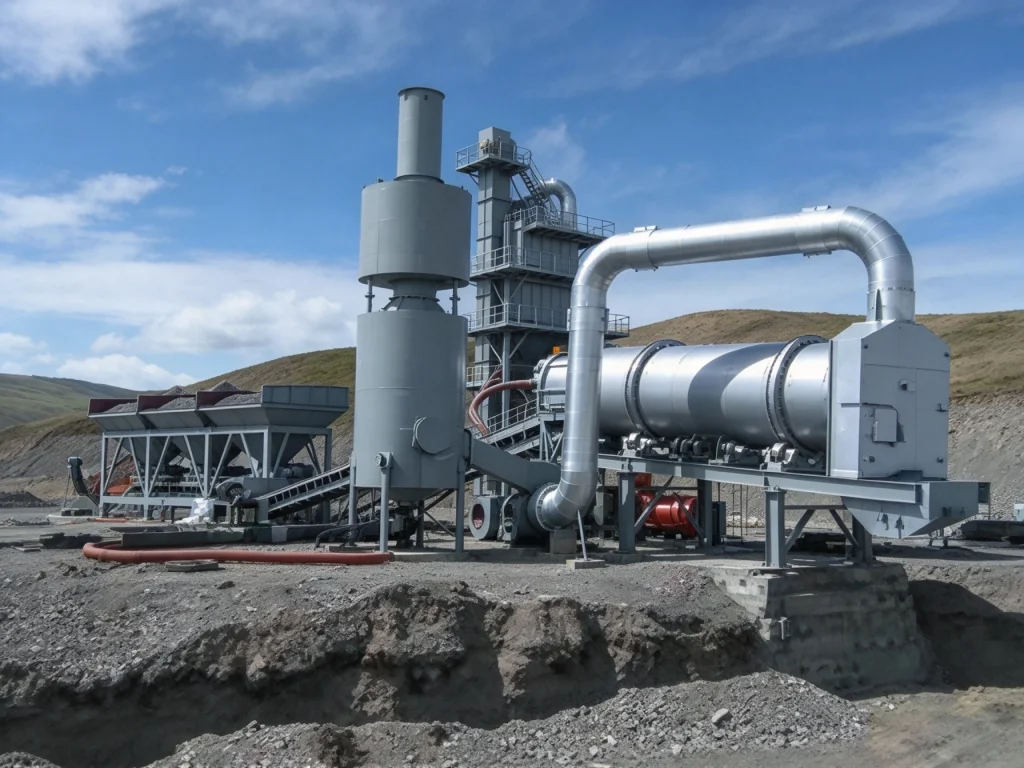
GLB60 Asphalt Mixing Plant (50-80t/h Modular Continuous Asphalt Mixing Plant)
GLB60 continuous plant, 50-80 t/h, quick-deploy modules for provincial packages. Fuel and voltage set at the Dezhou works. FOB Qingdao.
US$80,000 – US$120,000FOB Qingdao
LIJIU · Factory direct · Asphalt plant equipment
GLB Series Asphalt Mixing Plant- Model GLB60 Asphalt Mixing Plant
- Rated Production Capacity 60 t/h
- Mixer Batch Capacity 600 kg
- Number of Cold Aggregate Bins 4 pcs
- Single Cold Bin Volume 8 m³
- Hot Aggregate Bin Quantity 4 compartments
Factory desk: +86 136 3947 0101
GLB60 Asphalt Mixing Plant (50-80t/h Modular Continuous Asphalt Mixing Plant) — overview
Overview
Overview of the GLB60 asphalt mixing plant
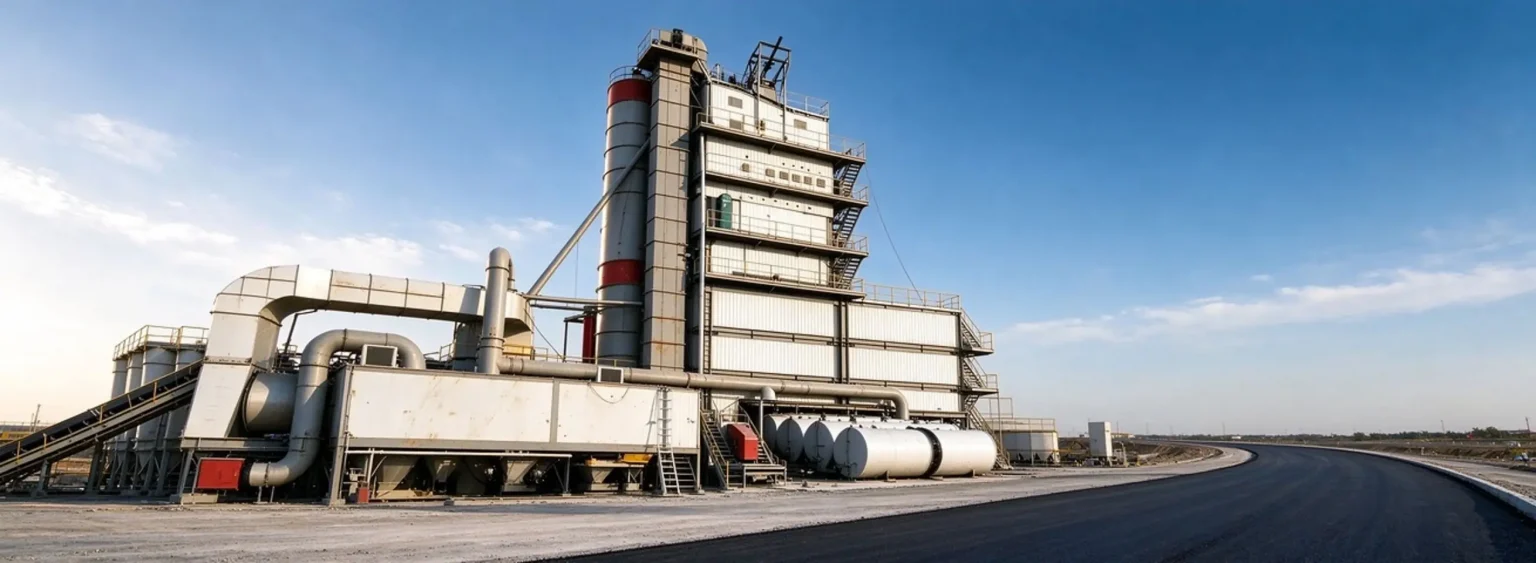
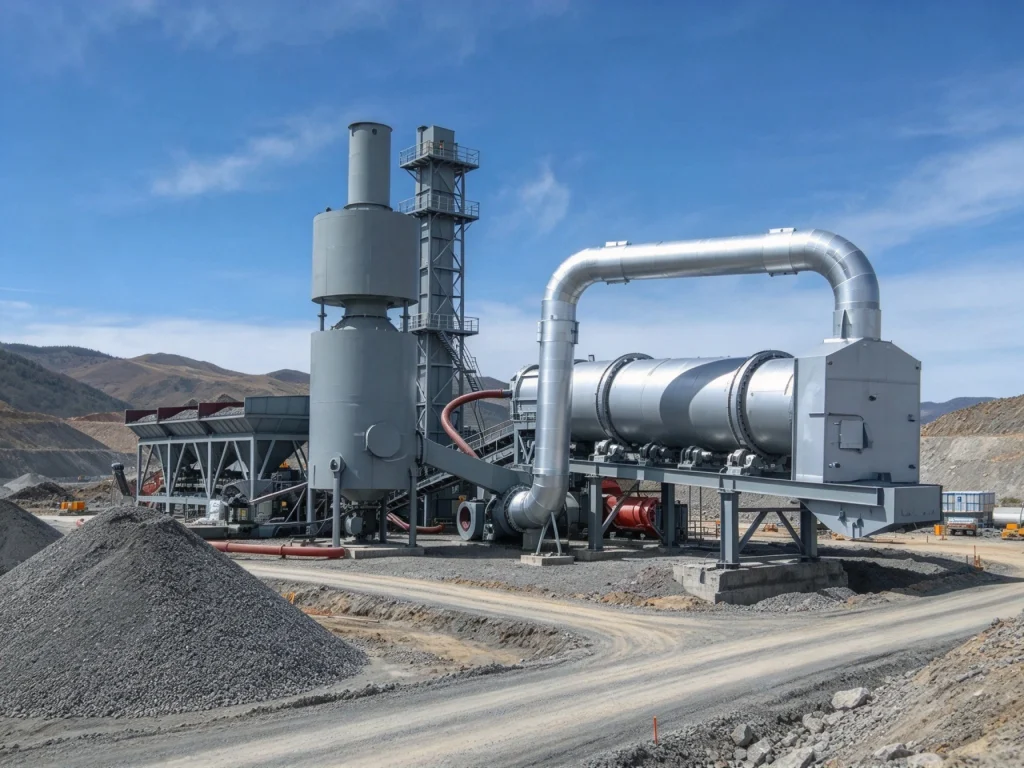
The GLB60 asphalt mixing plant is a compact skid-mounted stationary unit for small and medium road construction. It delivers a stable rated production capacity of 60t/h, with no redundant energy waste or overdesigned configurations. This cost-effective entry-level model has low thresholds for site deployment, operation learning and daily maintenance. This model targets township road hardening, municipal community road renovation, county-level highway maintenance and small industrial park paving projects. This plant fully meets on-site small-batch asphalt mixture production needs, while keeping finished product quality up to standard.
Working Principle
The whole workflow runs in a fully automatic closed-loop coordinated system.
On this plant, the cold aggregate feeding system transports multi-size raw mineral materials to independent bins. Variable-frequency-drive controlled belt feeders quantitatively feed materials strictly following pre-set gradation ratios.
On this unit, raw materials are then sent to the drying drum. Built-in lifting blades and real-time temperature monitoring modules of this plant heat aggregates evenly to the target set temperature.
Heated hot aggregates on this unit are lifted to the upper metering platform. High-precision independent weighing units finish accurate measurement for aggregate, filler and asphalt separately.
All proportioned materials are fed into the twin-shaft forced-action mixer. They go through full uniform agitation to form qualified finished asphalt mixture.
The central control system of this plant adjusts all operation parameters in real time, to eliminate random production deviations at any time.
Technical Specifications of the GLB60 asphalt mixing plant
It has a rated continuous production capacity of 60t/h, stably meeting daily mixture demand for small and medium projects.
Its matched industrial burner supports multiple fuel options including natural gas, diesel oil and heavy fuel oil. Users can choose flexibly based on local fuel resource conditions and cost budgets.
The total installed power of the whole unit is 138kW. Optimized thermal design keeps fuel consumption below 7 kg per tonne of finished asphalt mixture.
The supporting baghouse dust collector makes all flue gas emission indicators fully meet the latest local environmental protection standards.
The compact skid-mounted layout limits the main unit footprint to only 280 m². No extra-large special concrete foundation is required for normal operation.
All core modules are designed to fit standard 20ft and 40ft shipping containers. This structure greatly simplifies cross-region transportation and cuts relocation cost.
Full Configuration List
| Serial number | system | Kit name | Specification/power | Quantity | Remarks |
|---|---|---|---|---|---|
| 1 | parameter | Installed capacity | 150 kW | ||
| Yield | 50-80t/h | ||||
| 2 | Cold feed system | Cold hopper | 5m³ | 3 | |
| Feeding conveyor belt | 500mm | ||||
| Aggregate conveyor belt | 550mm | ||||
| 3 | Aggregate drying system | Drying drum | 1850×7500mm | ||
| Motor reducer | BWD-29-7.5KW | 4 | |||
| 4 | Combustion System | burner | ZHC1000 | ||
| Blower | 30 kW | 1 | |||
| Asphalt pump | 7.5 kW | 1 | |||
| 5 | Induced draft fan | Wind pressure | 3156-2156mmH₂O | ||
| Air volume | 19640-36140m³/h | ||||
| Motor | 75 kW | 1 |
Where the GLB60 asphalt mixing plant Sits in the Range
The GLB60 is a modular continuous asphalt mixing plant rated at 60 t/h, designed for small and medium road construction where a full-size batch plant would be more capacity than the work requires. Its position between the 30 t/h GLB30 and the larger LB series is deliberate: it carries the continuous-production simplicity of the smaller unit with the weighing accuracy and environmental equipment that provincial and municipal packages normally specify.
The machine mixes 600 kg per batch into a drum of Φ1500 × 6500 mm, draws 135 kW in total, and produces mixture at 130–165 °C. With four cold aggregate bins of 8 m³ each, four hot aggregate compartments totalling 7 m³, and an optional 30 t finished material silo, the configuration is aimed at contractors who need to keep a paving train supplied through a full working shift rather than to serve occasional small pours.
Weighing Accuracy and What It Saves
The GLB60 uses a linear vibrating screen for accurate sizing and a weighing system with stated accuracies of ±0.5% for aggregate and ±0.25% for both filler and bitumen. Those figures matter because batching error translates directly into cost and into quality variation. Over-batching bitumen by even a fraction of a percent raises the material cost of every tonne and can make the mix tender at the paver; under-batching filler weakens the mastic and reduces durability.
On a 60 t/h plant running a full season, the difference between a well-calibrated weighing system and a drifting one is measured in material, not in percentage points. This is why the weighing calibration belongs in the monthly maintenance routine rather than being checked only when a mix is rejected — the correction is cheap and the waste is otherwise invisible until the results are questioned.
Dust Collection and Environmental Performance
The GLB60 uses a bag-house dust collector for dust removal. A bag-house captures the fine filler that a simpler collector would discharge, and it also allows that material to be returned to the mix rather than handled as waste. For projects in or near built-up areas, the visible emission from the stack is usually the first thing local authorities comment on, and the dust collector is the component that determines the answer.
The collector also has a maintenance dimension. Differential pressure across the bag-house at a steady production rate is a good indicator of bag condition, and a rising trend means the bags are loading up and should be checked. Recording that figure alongside fuel consumption gives an early warning of both problems without any additional instrumentation.
Fuel, Voltage and Site Services
The drying drum can be fired by diesel, heavy oil or natural gas, and typical fuel consumption is 5.5–7.0 kg per tonne of mix. The choice of fuel is normally decided by what is available and affordable at the destination site rather than by plant performance, but it should be settled before the order is placed because the burner configuration is set at the factory. The same applies to the electrical supply: the plant is built for the voltage and frequency of the destination, and confirming both at the enquiry stage avoids a rework once the machine arrives.
Site services to plan for include a firm level base for the modules, the aggregate stockpile area, a bitumen supply arrangement with heating, filler storage, and an accessible water supply for the dust-conditioning circuit. Because the plant is modular, the layout can be adapted to a constrained site, but the stockpile and truck-movement areas are the two elements that most often prove too small in practice and are worth planning generously.
Installation, Operation and Maintenance
Installation is a matter of assembling the modules and connecting the services, and the compact structure means the sequence can be completed quickly once the base is ready. Operation can be automatic or manual, and both modes are available as standard, so an operator can take over a specific function if a sensor requires attention without halting production. Daily checks should cover the burner flame and fuel supply, conveyor tracking, screen condition, bag-house differential pressure and the lubrication schedule; monthly work should include the weighing calibration and a review of the electrical connections in the control cabinet.
For buyers upgrading from a smaller plant, the GLB60 is normally the point at which a project begins to require a scheduled approach to maintenance rather than an as-needed one. The unit is designed for that environment, and its published technical figures — from the 5.5–7.0 kg/t fuel consumption to the ±0.25% bitumen weighing accuracy — are the reference values to compare against your own operating records.
Further Reading
For general industry background, see the Asphalt Institute and the Federal Highway Administration asphalt pavement recycling programme. These are independent, non-commercial references and are not connected with LIJIU.
Related equipment and guides
Product images
Standards and references
Specifications on this page follow European Asphalt Pavement Association — Industry standards. Ask us for the full test report when you request a quote.
Applications
Applications
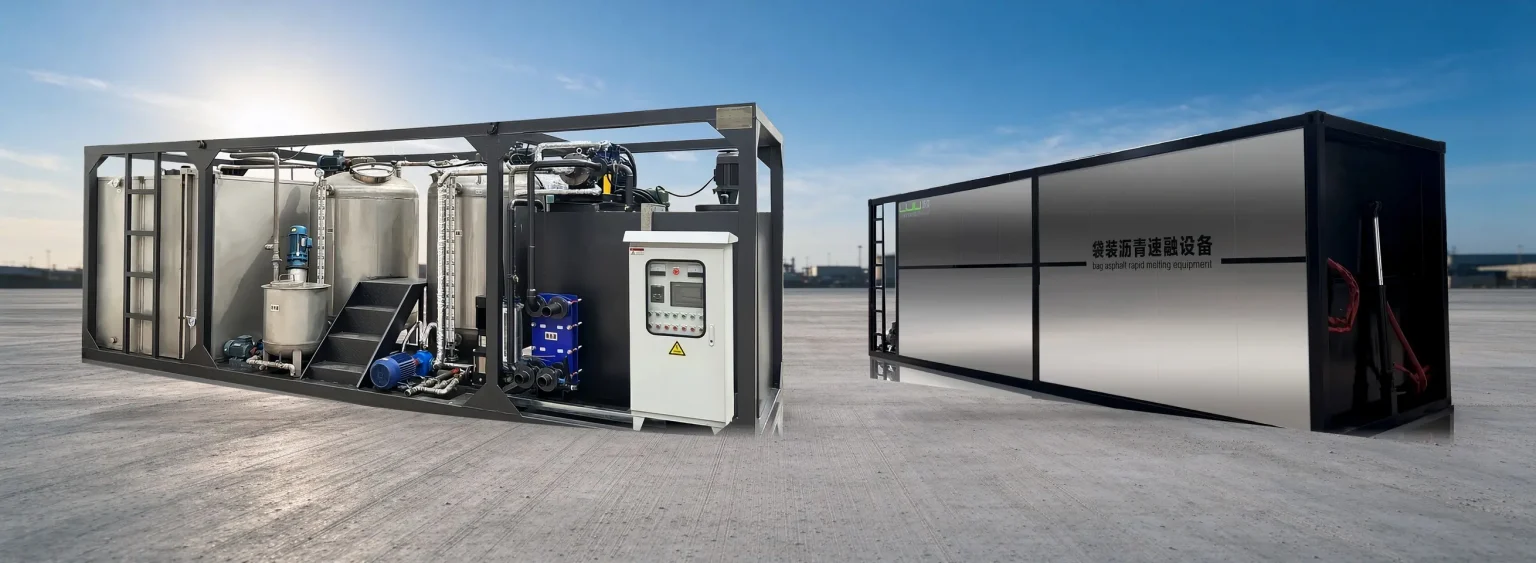
New asphalt mixing plants, plant upgrades, bagged-bitumen melting on remote sites, emulsion or PMB terminals, and foam retrofit on existing batch plants.
Road construction of national and provincial highways
Urban municipal road projects
County and township road renovation
Highway maintenance and repair projects
Airport pavement construction
Port and industrial park road works
Mountain area road engineering
Rural asphalt road projects
Why contractors specify this line
Advantages
1. Stable and reliable operation
2. Low fuel consumption
3. High mixing quality
4. Precise weighing system
5. Good environmental performance
6. Easy maintenance
7. Compact structure
8. Fast installation
Specifications
Specifications
Values below come from the product record. Freeze them on the approval drawing before you put them in a bid.
| Item | Value |
|---|---|
| Model | GLB60 Asphalt Mixing Plant |
| Rated Production Capacity | 60 t/h |
| Mixer Batch Capacity | 600 kg |
| Number of Cold Aggregate Bins | 4 pcs |
| Single Cold Bin Volume | 8 m³ |
| Hot Aggregate Bin Quantity | 4 compartments |
| Hot Aggregate Bin Total Volume | 7 m³ |
| Finished Material Silo Capacity | 30 t |
| Drying Drum Dimension | Φ1500×6500 mm |
| Total Installed Power | 135 kW |
| Working Asphalt Mixture Temperature | 130-165 ℃ |
| Aggregate Weighing Accuracy | ±0.5% |
| Filler Weighing Accuracy | ±0.25% |
| Bitumen Weighing Accuracy | ±0.25% |
| Fuel Consumption | 5.5-7.0 kg/t-mix |
| Screen Type | Linear vibrating screen |
| Dust Removal Mode | Bag-house dust collector |
| Operation Mode | Automatic / Manual |
Installation and commissioning
Process
-
01
Interface check
Foundations, power, fuel, existing tower piping and target tph.
-
02
Set-down
Unpack, align, pipe, cable, insulate and check safety valves.
-
03
Cold and hot commissioning
Interlocks, temperature curves, foam or mill stability, weigh accuracy.
-
04
Handover
Trial-production log, operator training, maintenance interval and wear-parts list.
GLB60 Asphalt Mixing Plant (50-80t/h Modular Continuous Asphalt Mixing Plant) FAQ
What is the hourly output of GLB60 asphalt mixing plant?
The rated output is 60 tons per hour.
What raw materials can this plant mix?
It mixes aggregate, filler and bitumen for asphalt mixture.
What fuel can the drying drum use?
It can use diesel, heavy oil or natural gas.
What is the temperature range of finished asphalt?
Normally 130-165℃.
How about the weighing accuracy?
Aggregate ±0.5%, filler and bitumen ±0.25%.
Is it easy to move and install?
Yes, compact structure for fast assembly.
What dust collector does it use?
Bag-house dust collector for low emission.
Can it work in manual mode?
Yes, it supports automatic and manual modes.
Need an FOB configuration for this model?
Send tph or tonnage, RAP ratio, voltage, fuel and destination port. LIJIU replies within 24 hours with scope, lead time and a spare-parts list. Desk: +86 136 3947 0101
Related models
Related
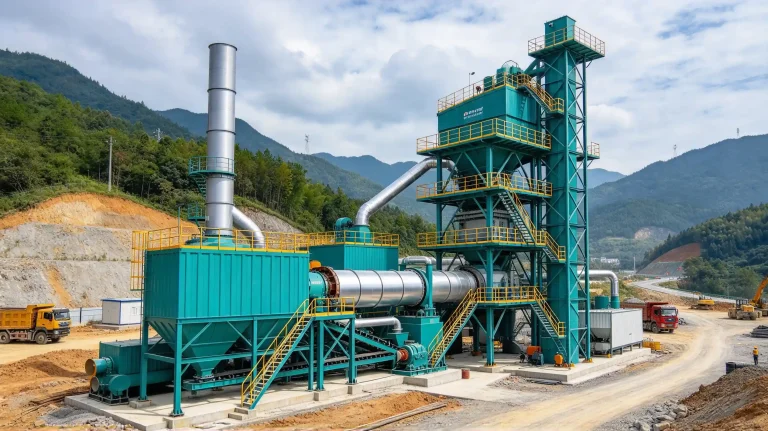
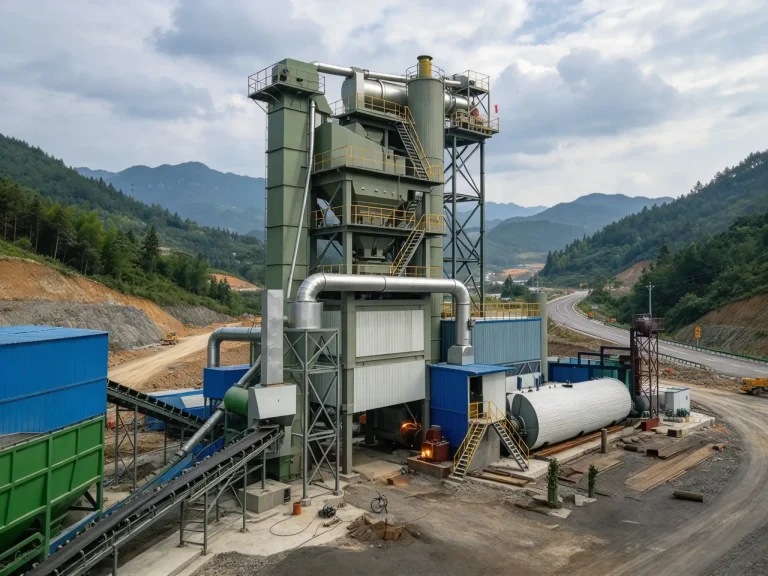
RLB1000 Asphalt Hot Recycling Plant (80t/h Drum Type Asphalt RAP Mixing Equipment)
View specs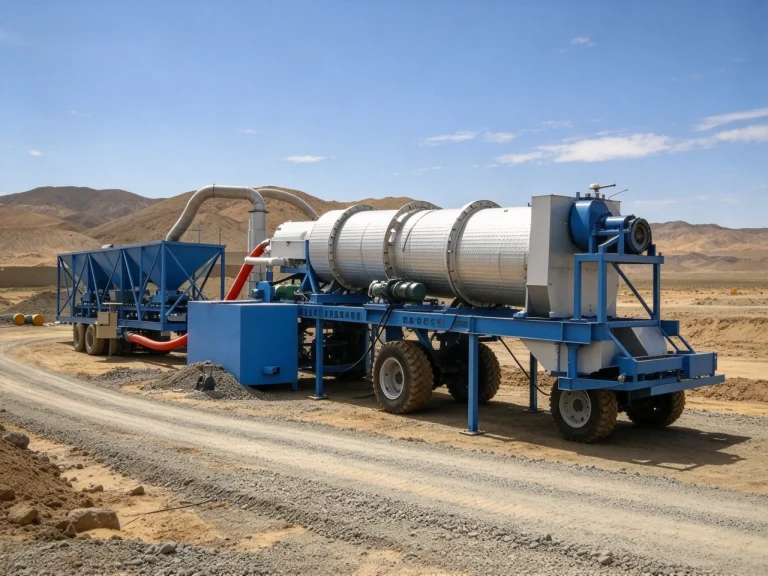
GLB30 Asphalt Mixing Plant (30t/h Mobile Modular Continuous Asphalt Plant)
View specs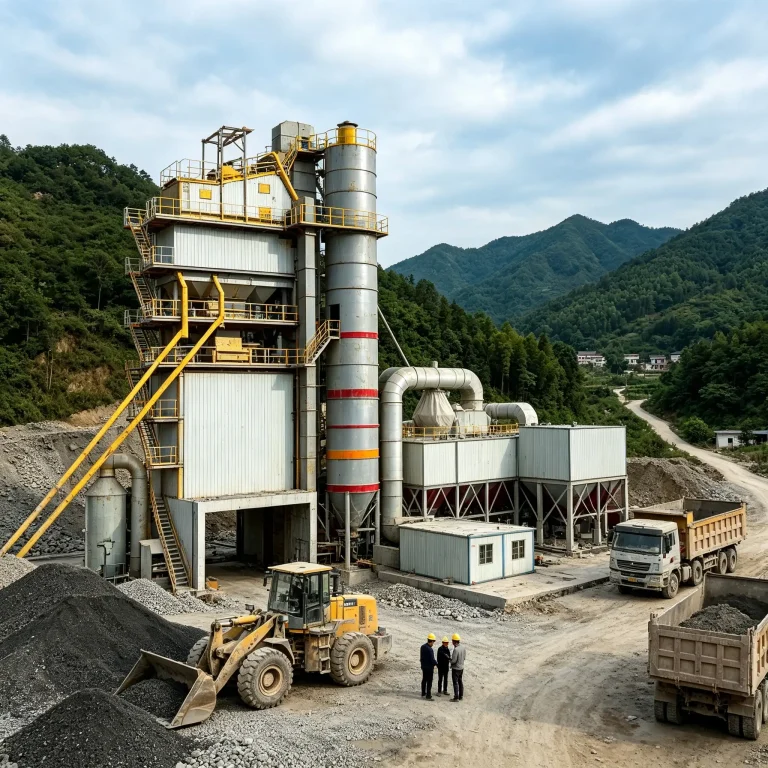
LB4000 Asphalt Mixing Plant (280-340t/h Energy-Saving Modular Asphalt Batching Plant)
View specsRelated guides
Guides