
Pavement Materials
Asphalt Rejuvenator (High-RAP 40%+ Deep Penetration Bitumen Recycling Agent)
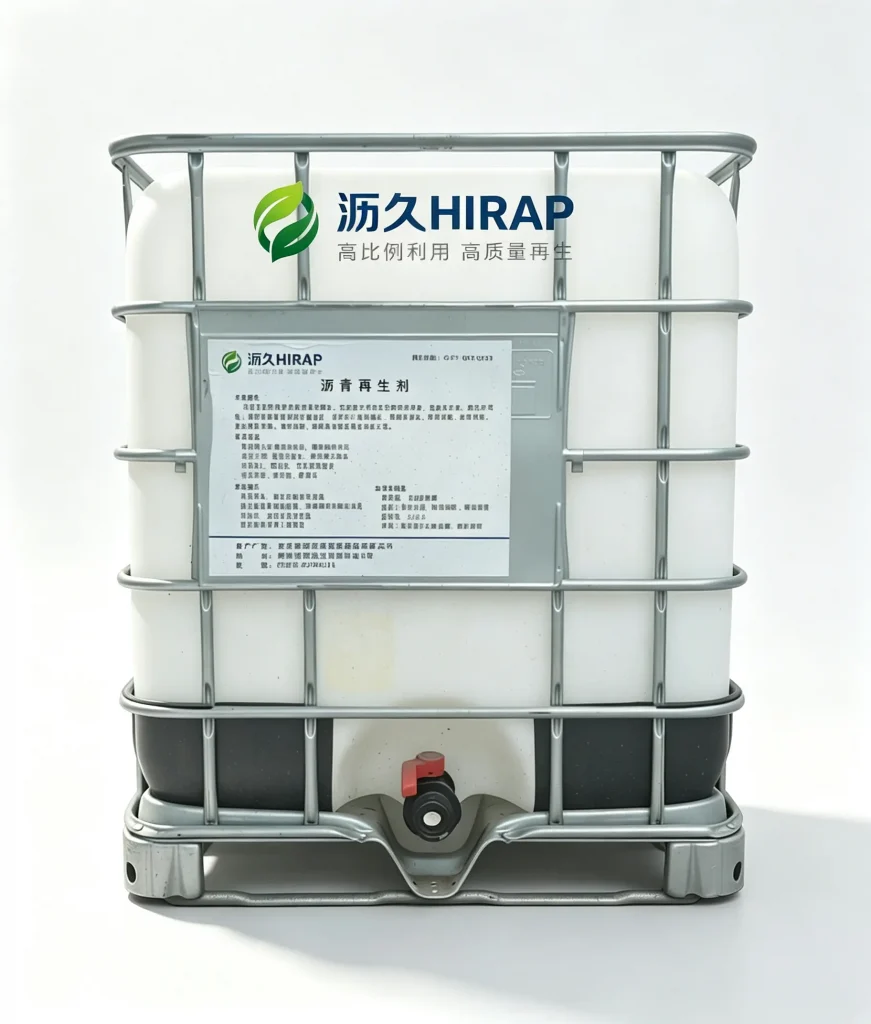
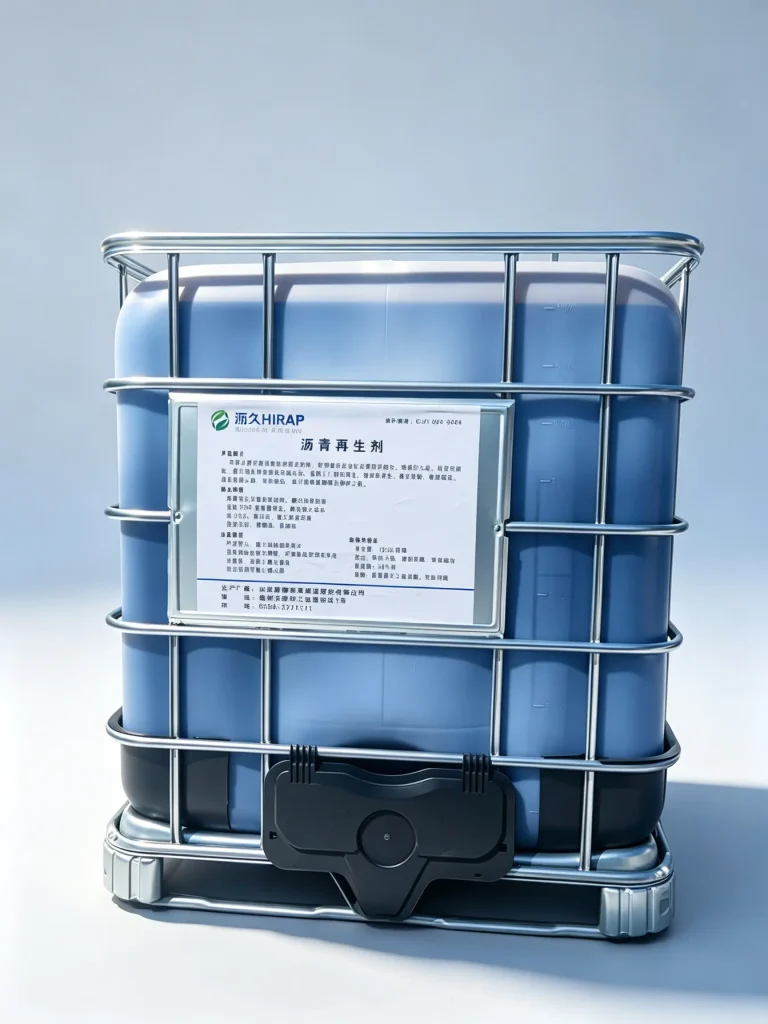
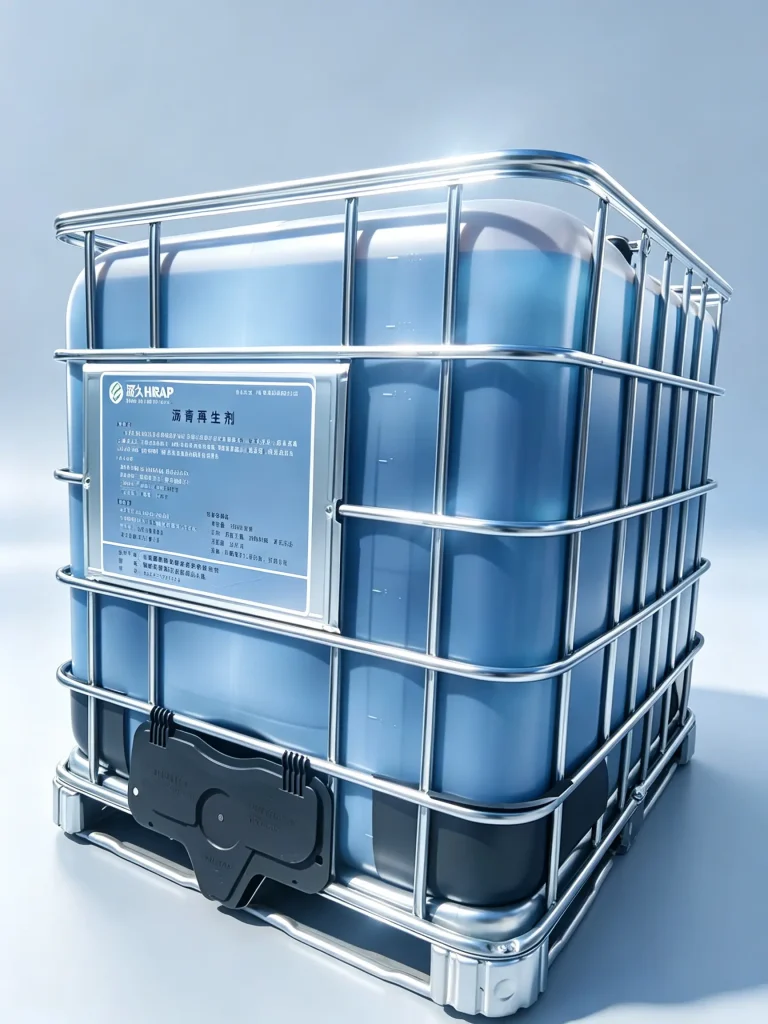
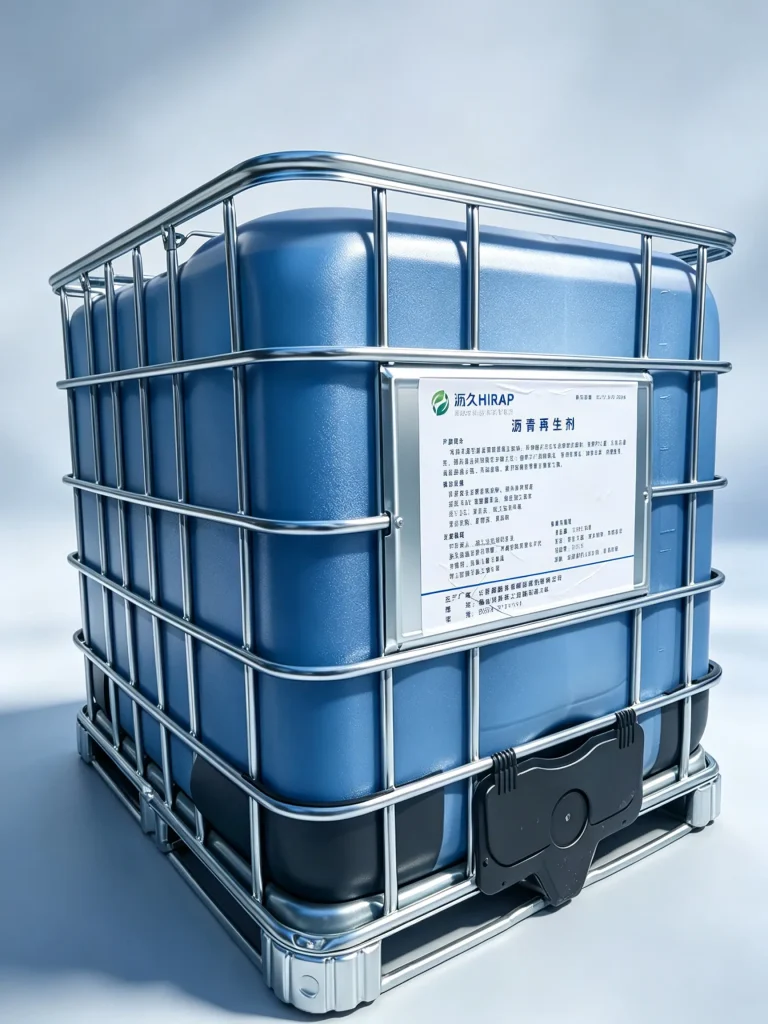
Asphalt rejuvenator HIRAP series for 40%+ high-RAP thermal recycling. Deep-penetration repair aged bitumen, anti-aging, warm-mix effect, 1000L drum package, FOB Qingdao.
US$3,000 – US$4,500FOB Qingdao
LIJIU · Factory direct · Pavement materials
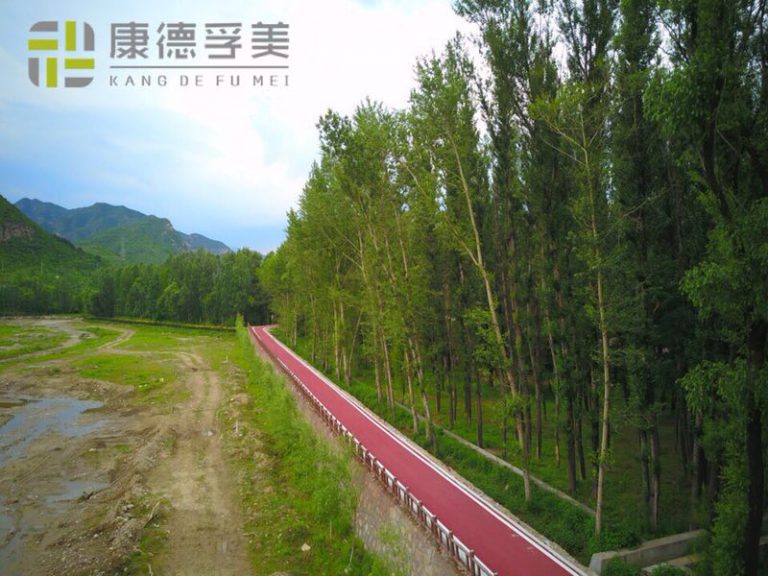
Colored Pavement Series- Product Series HIRAP Asphalt Rejuvenator
- Appearance Dark green, uniform, viscous liquid
- Relative Viscosity(60℃) 200-600 mm²/s
- Open Flash Point ≥220 °C
- Saturation Fraction Content ≤20 %
- Aromatic Compound Content ≥70 %
Factory desk: +86 136 3947 0101
Asphalt Rejuvenator (High-RAP 40%+ Deep Penetration Bitumen Recycling Agent) — overview
Overview
Product Overview
The asphalt rejuvenator HIRAP series is a specially formulated liquid recycling agent engineered for high-proportion thermal RAP recycling projects. It addresses common construction pain points such as difficult mixing, premature binder oxidation and pavement brittleness when large volumes of reclaimed asphalt pavement are reused. This rejuvenator uses precision component-activation repair and super-penetration molecular technology to restore the chemical balance in heavily aged bitumen.
High RAP dosage brings clear economic and environmental benefits for road contractors. It reduces virgin aggregate and fresh bitumen consumption, lowers raw material costs and supports circular-economy construction goals. Without proper treatment, however, oxidized binder from old pavement can make the finished mixture stiff, increasing the risk of low-temperature cracking, raveling and early pavement failure. That is where this asphalt rejuvenator delivers practical value for real mixing-plant operations.
Physically, this additive is a dark-green, uniform viscous liquid. Its key chemical properties are designed around authoritative testing standards. Aromatic compound content is typically no less than 70 %, while the saturate fraction is controlled below 20 %. This composition helps restore aged binder performance without introducing negative side effects to long-term mixture stability. Its open flash point exceeds 220 °C, making it safe to handle under normal hot-mix production temperatures.
Its field-oriented formulation lets this rejuvenating agent support RAP dosing ratios above 40 %, a condition that many ordinary recycling additives cannot handle consistently. Laboratory tests at 50 % RAP have shown obvious improvement in aged-binder properties. Penetration can rise from an original 20–30 (0.1 mm) to 60–80 (0.1 mm), ductility improves noticeably, and the softening point stabilizes within 45–55 °C, helping restore balanced temperature sensitivity.
Beyond binder restoration, the formula contains antioxidant components. These ingredients help inhibit secondary thermal-oxidative aging after the recycled pavement is placed. They also reduce damage caused by ultraviolet exposure and repeated traffic loading, helping extend the overall service life of high-RAP pavements. In addition, it provides a partial warm-mix effect by reducing mixture viscosity, which can improve paving smoothness and compaction density while allowing a moderate reduction in construction temperature.
For plant application, accurate dosing is essential. Contractors are advised to run laboratory recycling tests on collected RAP samples before full-scale production. Aged-bitumen penetration results can help engineers determine the correct dosage through equal-viscosity curve calculations. This agent is usually introduced by a dedicated metering pump or special liquid-additive filling system. Uniform spraying inside the mixing chamber helps ensure even distribution and full interaction with reclaimed materials.
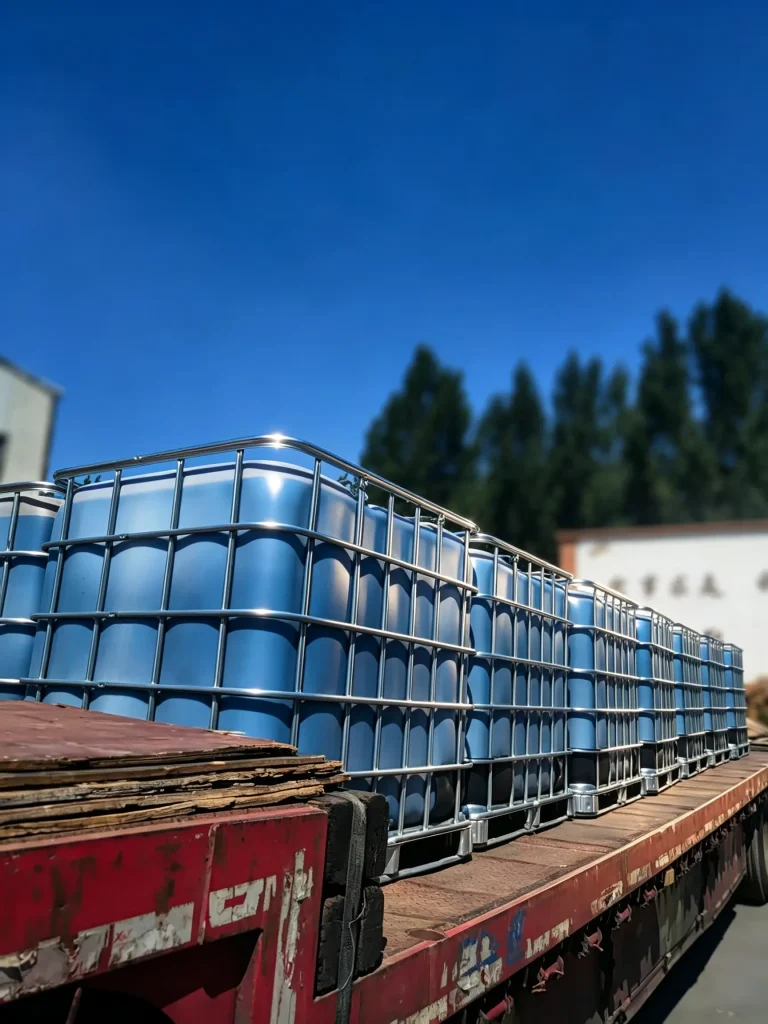
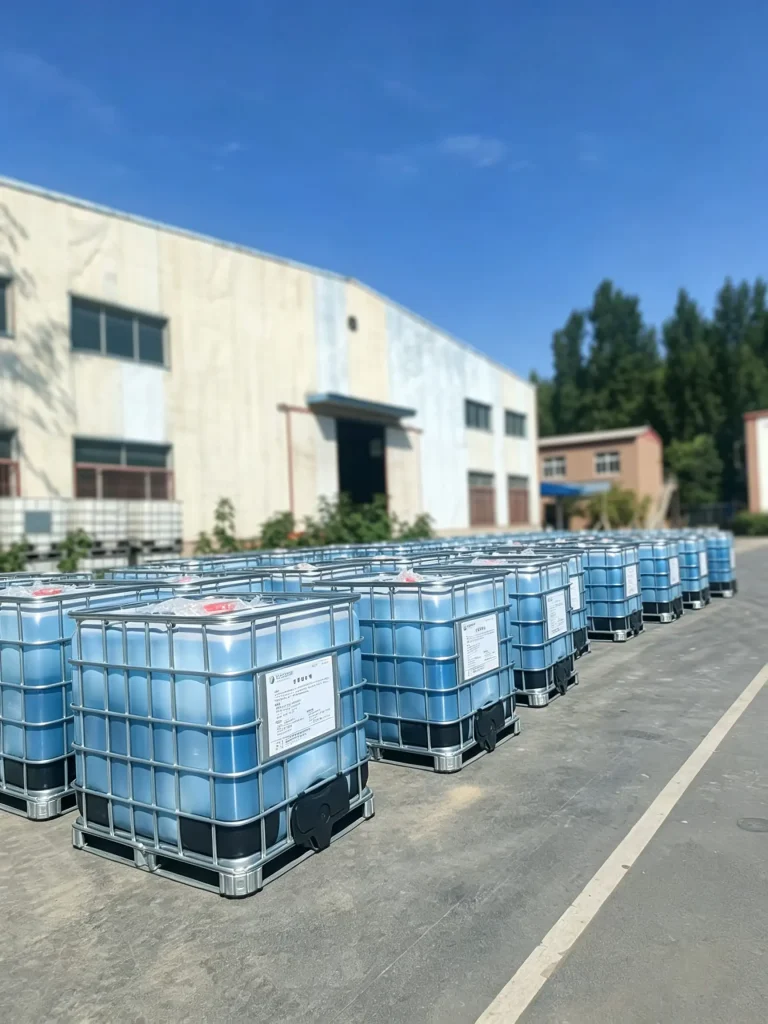
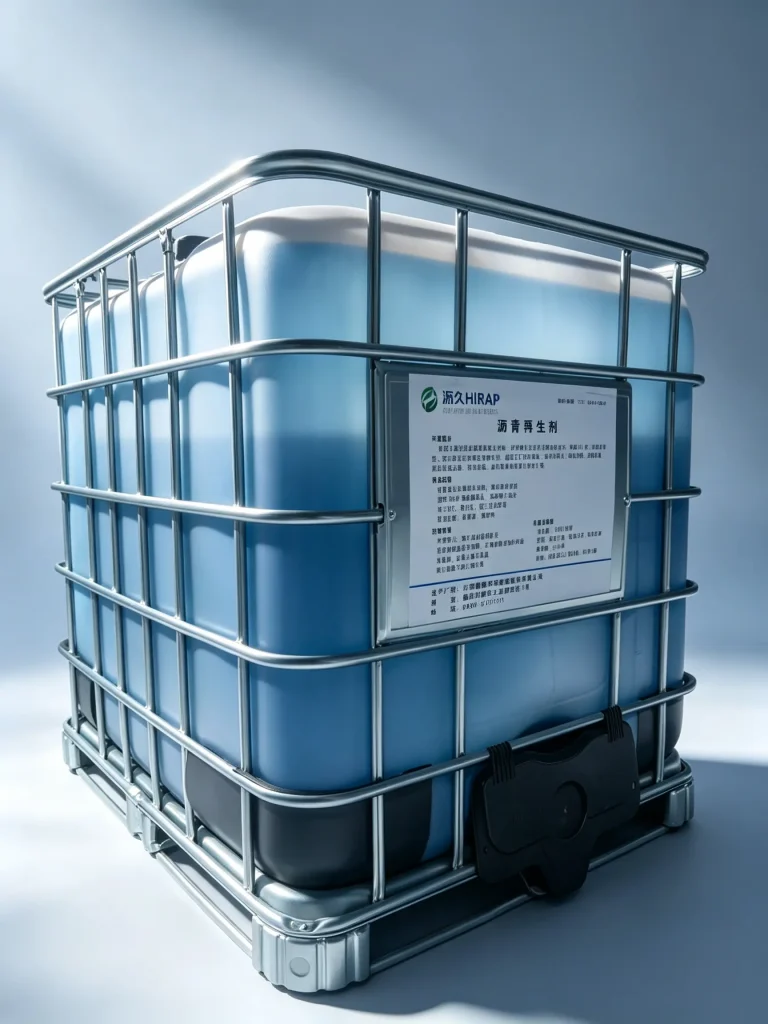
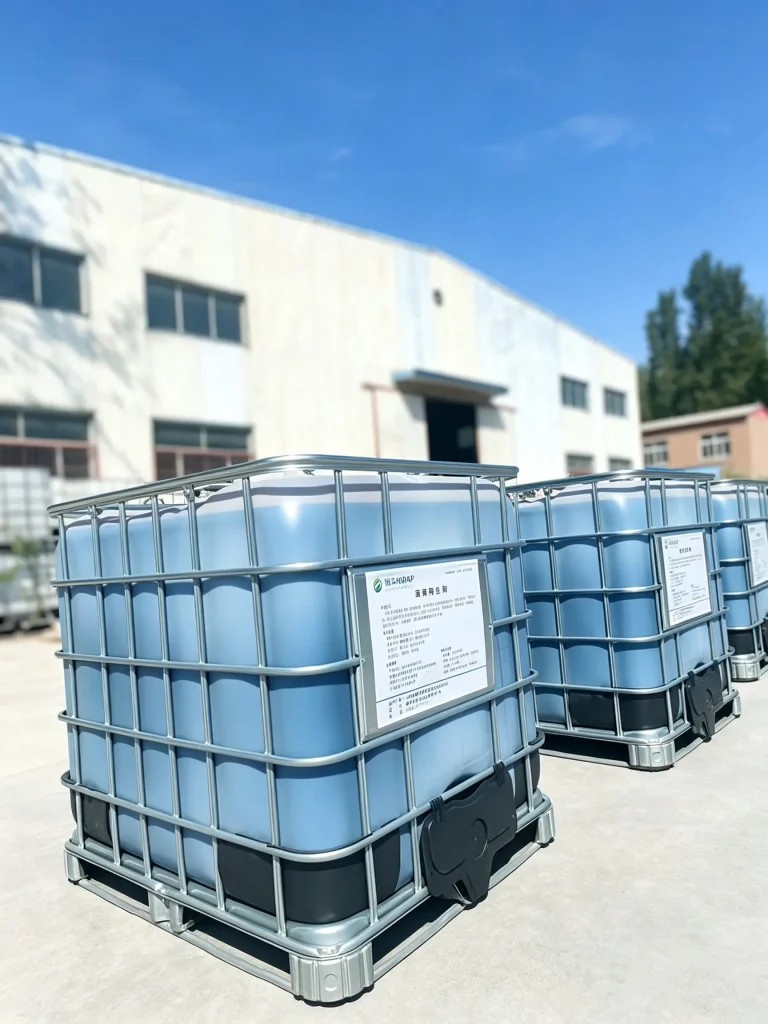
The product is supplied in 1000 L drums and should be stored in cool, dry conditions. Its shelf life is typically 24 months. It is classified as a general chemical rather than a flammable or explosive hazardous product, which simplifies storage, handling and cross-border transportation for overseas customers.
Working Principle of the asphalt rejuvenator
The working mechanism of this asphalt rejuvenator is based on deep molecular-level reconstruction of oxidized bitumen in RAP materials. Asphalt aging is essentially an oxidation-driven chemical process. Under long-term sunlight, moisture and traffic stress, light aromatic components may volatilize or convert into heavier asphaltene fractions, breaking the original colloidal balance and making the binder harder, more brittle and less ductile. Rather than providing only temporary softening, it helps rebuild the internal colloidal structure through multi-stage penetration and component redistribution.
Step 1 Surface wetting and initial contact
When sprayed into the mixing chamber, the liquid additive first contacts the hardened outer binder film on RAP aggregate surfaces. Driven by concentration gradients and capillary action, the viscous agent spreads quickly across the aged binder. This initial wetting stage prepares the material for deeper molecular diffusion. Uniform atomized spraying is recommended to avoid local over-dosing or uneven contact.
Step 2 Deep penetration into the oxidized binder layer
Small active molecules then pass through the rigid oxidized surface layer. The high aromatic content of the asphalt rejuvenator supports strong permeability, allowing active fractions to migrate inward and blend with the hardened aged binder. This deep diffusion distinguishes high-performance rejuvenation from simple surface softening, which may remain only on the particle surface.
Step 3 Component redistribution and colloidal balance recovery
Once inside the aged binder, aromatic-rich fractions replenish maltene components lost during pavement service. This readjusts the maltene-to-asphaltene ratio and helps redisperse over-aggregated asphaltene clusters. The bitumen system moves back toward a more stable micellar colloidal state, closer to the behavior of virgin asphalt. Corresponding improvements in penetration, ductility and softening point can then be observed.
Step 4 Viscosity adjustment and improved mixture workability
As the colloidal structure is rebuilt, the overall viscosity of the aged binder decreases, making the RAP-containing mixture less stiff. During mixing and paving, aggregate particles can move more freely, improving coating efficiency, paving smoothness and final compaction density. The partial warm-mix effect also allows a moderate reduction in mixing and compaction temperatures, which helps reduce secondary thermal aging of the recycled binder.
Step 5 Long-term aging protection
The antioxidant components do not disappear after mixing. They remain active inside the finished recycled asphalt layer and continue to slow re-oxidation during pavement service. By resisting ultraviolet damage and thermal aging, the asphalt rejuvenator helps delay cracking, raveling and surface deterioration in high-RAP pavements. This long-term protection is especially important for pavements exposed to strong sunlight and heavy traffic.
To achieve stable regeneration results, production conditions must be properly controlled. The recommended discharge temperature for recycled mixture is usually held between 155 °C and 165 °C. This temperature range provides sufficient molecular mobility and reaction time between the additive and aged binder. Insufficient temperature can limit diffusion and reduce the final regeneration effect.
Even with high-quality additive performance, accurate metering remains critical. Too low a dosage may not sufficiently reverse binder brittleness, while excessive dosing can make the binder too soft and increase rutting risk. For this reason, laboratory mix-design testing is recommended before full-scale production at asphalt mixing plants.
Technical Parameters
| Physical & Chemical Indicators | Requirement | Test Standard |
|---|---|---|
| Appearance | Dark green uniform viscous liquid | Visual inspection |
| Kinematic Viscosity (60°C) | 200–600 mm²/s | GB/T 265 |
| Flash Point (open cup) | ≥ 220°C | GB/T 3536 |
| Saturates Content | ≤ 20% | NB/SH/T 0509 |
| Aromatics Content | ≥ 70% | NB/SH/T 0509 |
| Density (15°C) | 0.95–1.05 g/cm³ | GB/T 1884 |
Confirming the asphalt rejuvenator Dosage on Site
asphalt rejuvenator dosage is not a fixed number that can be copied from one project to the next. It depends on how badly the recovered binder has oxidised, which varies with the age of the pavement, the climate it has served and the depth it was milled from. The recommended method is to test the aged binder recovered from the RAP before batching begins, then determine the dosage from the equal-viscosity curve for the target grade. Working from a test of the actual material is what prevents both under-dosing, which leaves the recycled mix brittle, and over-dosing, which softens the binder beyond the specification and wastes additive.
Once the dosage is established, the additive should be introduced with a dedicated liquid metering machine and sprayed evenly into the mixing chamber. Holding the mixture discharge temperature within 155–165 °C gives the active ingredients the time and the mobility to penetrate the aged binder film and redistribute its components, which is the mechanism that restores penetration and ductility. The material is supplied in 1000 L drums with a 24-month shelf life in cool, dry storage, and it is classified as a general non-flammable, non-explosive chemical for transport purposes.
Product images
Standards and references
Specifications on this page follow ASTM D6927 Standard Test Method for Marshall Stability. Ask us for the full test report when you request a quote.
Related equipment and guides
Applications
Applications
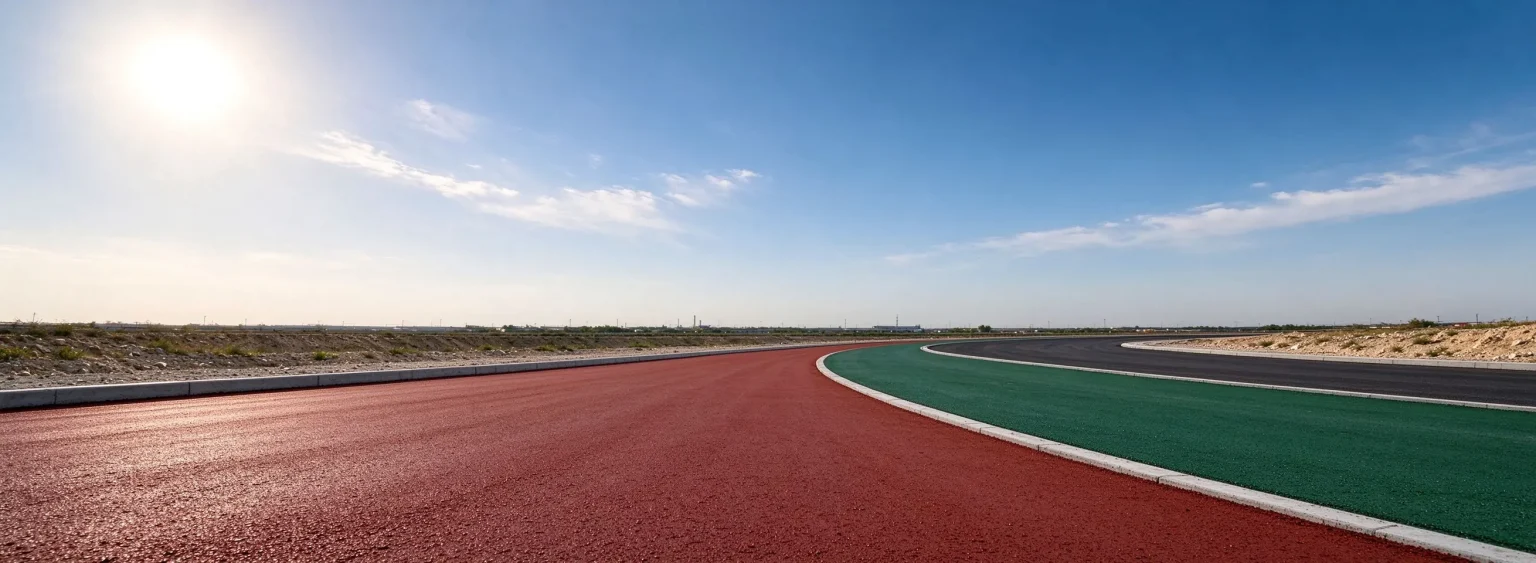
Bus lanes, landscape roads, precinct paving, RAP restoration and thin overlays on existing asphalt in tropical and high-temperature climates.
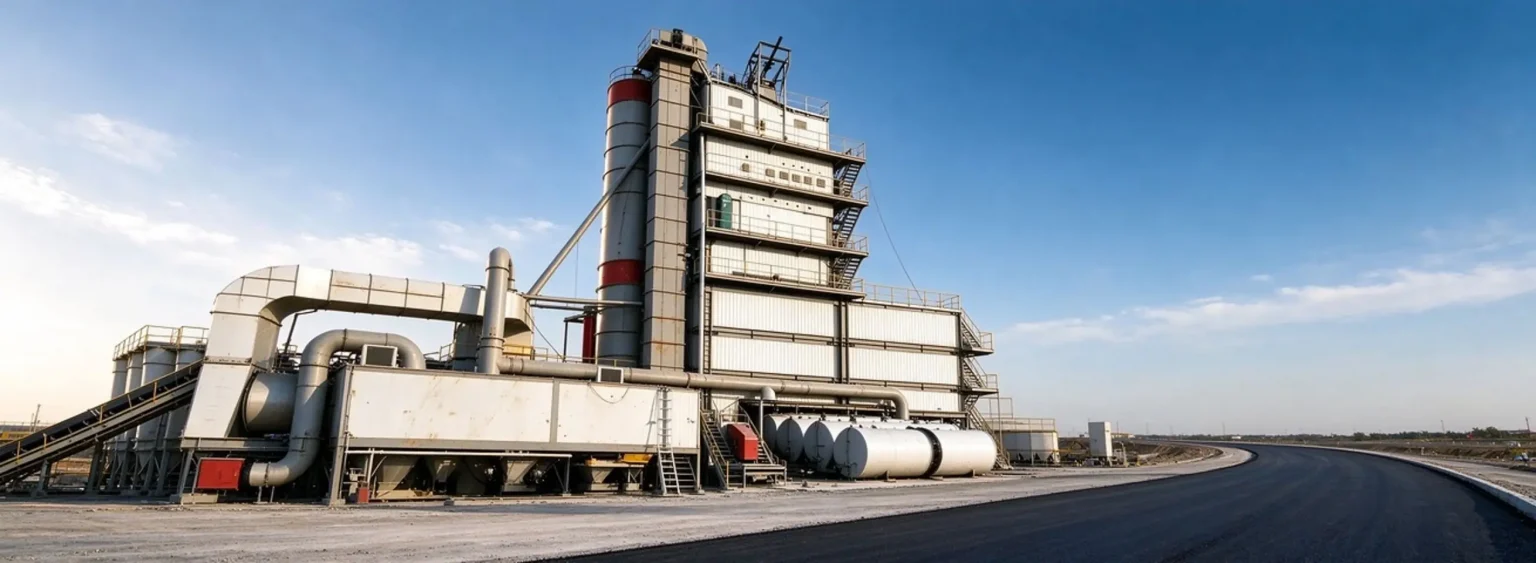
High-proportion RAP hot-in-plant asphalt recycling projects
Old highway pavement reconstruction & maintenance
Municipal road recycled asphalt mixture production
Warm-mix recycled asphalt construction
Large-volume RAP material resource reuse
Green low-carbon road-building projects
Why contractors specify this line
Advantages
Deep-penetration molecular repair for heavily oxidized aged bitumen
Rich aromatic components restores original micellar structure of old asphalt
Greatly improve RAP material utilization and cut raw-material cost
Reduce mixture viscosity, deliver warm-mix effect and lower construction temperature
Built-in anti-oxidant extends service-life, resist UV & thermal-oxidative aging
Excellent workability for high-RAP mix, enhance paving smoothness & compaction
Specifications
Specifications
Values below come from the product record. Freeze them on the approval drawing before you put them in a bid.
| Item | Value |
|---|---|
| Product Series | HIRAP Asphalt Rejuvenator |
| Appearance | Dark green, uniform, viscous liquid |
| Relative Viscosity(60℃) | 200-600 mm²/s |
| Open Flash Point | ≥220 °C |
| Saturation Fraction Content | ≤20 % |
| Aromatic Compound Content | ≥70 % |
| Density(15℃) | 0.95-1.05 g/cm³ |
| Test Standard | GB/T 265,GB/T 3536,NB/SH/T 0509,GB/T 1884 |
| Target RAP Doping Ratio | >40 % |
| Packaging Specification | 1000 L drum |
| Shelf Life | 24 months |
| Storage Condition | Cool and dry place |
| Transport Property | General chemical, non-flammable & non-explosive |
| Recommended Discharge Temperature | 155-165 ℃ |
Installation and commissioning
Process
-
01
Existing pavement check
Ride, cracking and raveling; RAP sections need extraction and grading before dosage.
-
02
Mix or overlay trial
Confirm binder content, pigment ratio and laying temperature.
-
03
Lay and compact
Control thickness and joints. Do not finish-roll below the specified temperature.
-
04
Open to traffic
Open after strength or break. Check skid and color against the sample.
Asphalt Rejuvenator (High-RAP 40%+ Deep Penetration Bitumen Recycling Agent) FAQ
What is the main application of this asphalt rejuvenator?
HIRAP series is developed for high-proportion RAP hot recycling projects, fit for mixtures with RAP doping ratio above 40%.
How does the rejuvenator repair aged bitumen?
Small-molecule active ingredients penetrate hardened bitumen surface, redistribute component and restore penetration, ductility and thermo-sensitivity performance.
What performance improvement can be achieved with 50% RAP dosage?
Penetration rises from 20-30 (0.1mm) to 60-80 (0.1mm); ductility increases over 20cm; softening point stabilizes at 45-55℃.
How to confirm the accurate dosage on construction site?
Perform asphalt recycling test for RAP aged bitumen before batching, confirm final dosage referring to equal-viscosity curve.
What is the suggested adding & mixing process?
Use dedicated liquid additive metering machine, spray evenly into mixing tank. Keep mixture discharge temperature within 155-165℃ for sufficient reaction.
What are packaging and storage requirements?
Supplied in 1000L drum. Store under cool-dry environment with 24-month shelf-life. Transport as ordinary non-hazardous chemical goods.
Will this rejuvenator help reduce construction smoke?
Yes, it brings warm-mix effect, allows proper lowering mixing-compacting temperature and cuts blue-smoke emission on job-site.
Is the rejuvenator for plant mix or in-place recycling?
It works in both plant hot recycling and in-place hot recycling, restoring aged bitumen and raising RAP use.
How is the dosage determined?
Dosage follows penetration, softening point and target grading tests on the aged binder. Provide RAP extraction data or a sample description.
Can it be combined with micro-foaming?
Yes. High-RAP schemes often pair rejuvenator with micro-foaming warm mix, tackling binder activity and mixing temperature separately.
Need an FOB configuration for this model?
Send tph or tonnage, RAP ratio, voltage, fuel and destination port. LIJIU replies within 24 hours with scope, lead time and a spare-parts list. Desk: +86 136 3947 0101
Related models
Related
Related guides
Guides